The Tesla Innovation Drivers Have Been Begging For
Since the launch of the Model 3, Tesla has been on a crusade for minimalism. By removing the traditional instrument cluster and moving every single piece of vital information to a centralized touchscreen, Elon Musk’s design team made a bold statement. However, for many drivers, that statement felt more like a distraction. For years, the community has debated whether the lack of a speedometer directly in the driver’s line of sight is a futuristic breakthrough or a glaring safety oversight. Now, a viral startup is proving that the demand for a traditional view is stronger than ever.
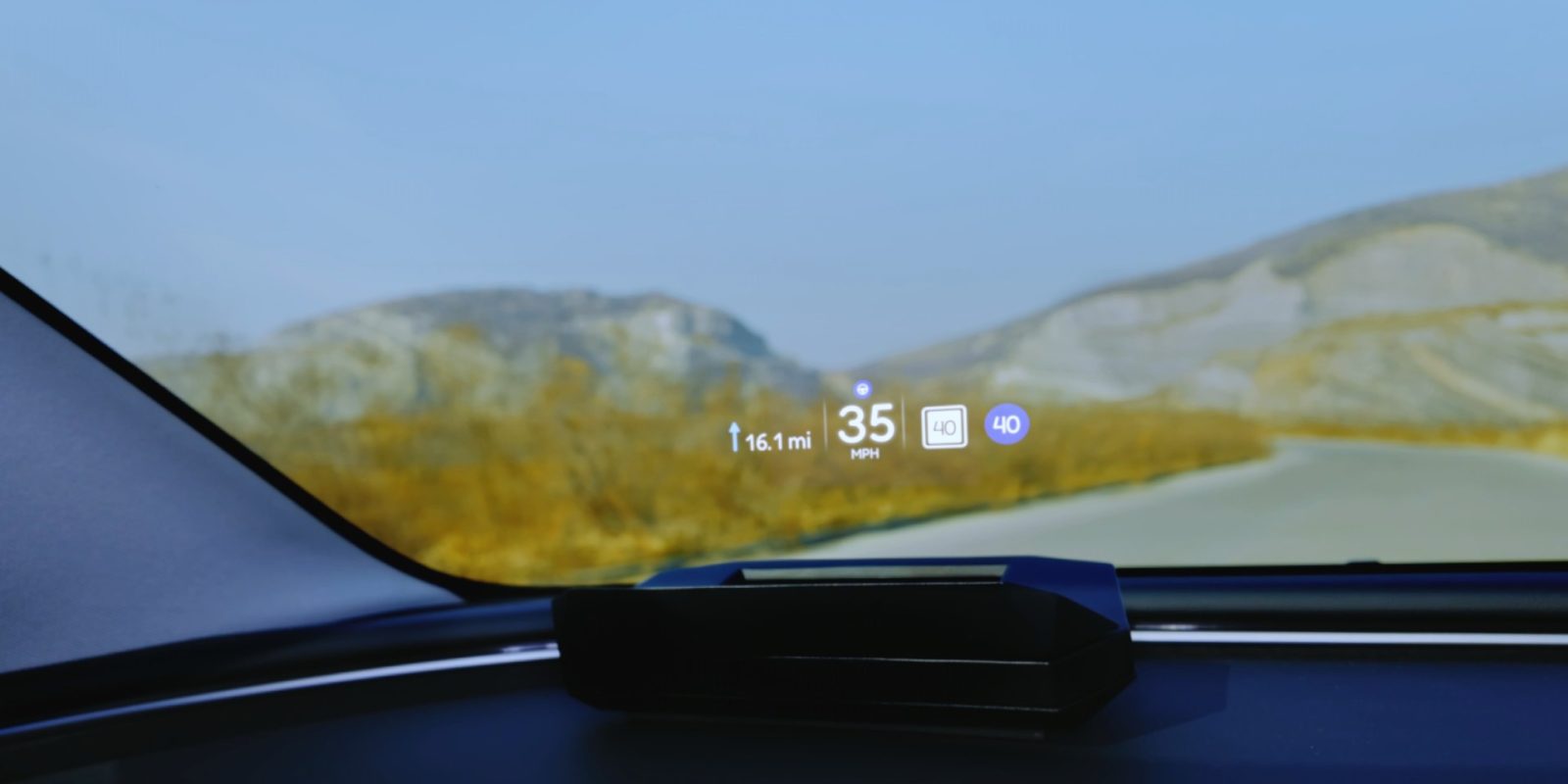
Enter NeuroHUD, a revolutionary hardware solution that claims to be ‘the heads-up display Tesla forgot.’ While third-party screens have existed for years, they often look like clunky afterthoughts mounted to the steering column. NeuroHUD is different. It aims to integrate seamlessly into the Tesla ecosystem, projecting navigation, speed, and safety alerts directly onto the windshield. This isn’t just a gadget; it is a fundamental shift in how Tesla owners interact with their vehicles, and the market response has been nothing short of explosive.
Why Minimalist Design is Failing Drivers on the Road
The controversy surrounding Tesla’s dashboard design isn’t just about aesthetics; it is about ergonomics and safety. When you are traveling at high speeds on a crowded highway, taking your eyes off the road to look at a center-mounted screen—even for a split second—can be dangerous. Critics have long argued that the lack of a heads-up display (HUD) is one of the few areas where Tesla lags behind premium competitors like BMW and Mercedes, all of whom offer sophisticated windshield projection systems.
Tesla’s philosophy has always been that as cars move toward Full Self-Driving (FSD), the driver will need to look at the road less. However, we are still in a transition period where human intervention is critical. Drivers want to know their blind-spot status, their current speed, and their next navigation turn without performing a ‘glance-down’ maneuver. The sheer volume of feedback from the community suggests that while minimalism is beautiful in a showroom, it presents real-world challenges during daily commutes. This gap in the user experience created a vacuum that NeuroHUD is now filling with massive success.
The device doesn’t just replicate the center screen; it optimizes it. By using high-contrast projection technology, it ensures that the data is visible even in direct sunlight. This solves the primary complaint regarding cheap aftermarket HUDs that wash out during the day. Furthermore, it connects directly to the vehicle’s CAN bus, ensuring that the data displayed is real-time and accurate, with zero lag. This level of integration is what has set the tech world on fire this week.
NeuroHUD: The $400,000 Solution to Tesla’s Biggest Flaw
If you need proof that Tesla owners are desperate for this technology, look no further than the NeuroHUD Kickstarter campaign. In a stunning display of market demand, the project surpassed its funding goals almost instantly. Within the first 72 hours of going live, the campaign raked in over $400,000 from backers eager to upgrade their driving experience. This level of viral success is rare in the automotive accessory space, signaling that NeuroHUD has tapped into a major pain point for EV enthusiasts.
What makes NeuroHUD so special compared to the competition? Here is a breakdown of the features that are driving the hype:
- True Windshield Projection: No transparent plastic screens or bulky monitors; the data floats on the glass.
- Customizable Interface: Drivers can choose which data points are most important to them, from battery percentage to Autopilot status.
- Plug-and-Play Installation: Designed specifically for the Model 3 and Model Y, requiring no permanent modifications to the vehicle.
- Intelligent Brightness: Sensors adjust the projection intensity based on ambient light conditions.
- Safety First: Keeps the driver’s focal point on the road ahead, reducing reaction times during emergencies.
As the automotive world watches, the success of NeuroHUD might just force Tesla’s hand. Will the automaker eventually offer an official HUD as a retrofit or a standard feature in future refreshes? Until then, the aftermarket scene is leading the way. The message from the $400,000 Kickstarter is clear: Tesla owners love their cars, but they want their data where they can see it. The era of the ‘blind dash’ might finally be coming to an end, thanks to a startup that dared to build what the world’s most valuable car company wouldn’t.