The Great Tesla FSD Betrayal: Are Millions of Cars Now Obsolete?
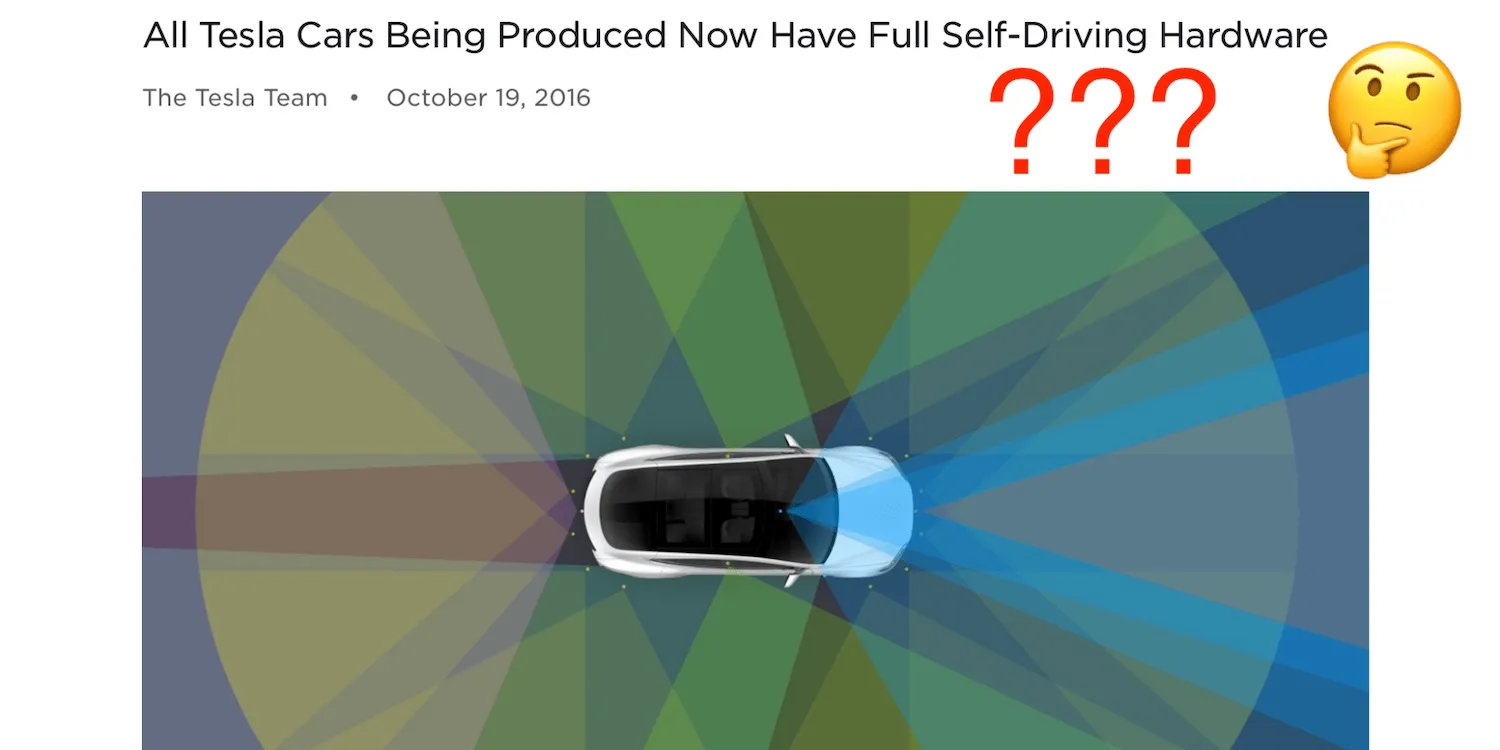
For years, Tesla CEO Elon Musk has shouted from the rooftops that every car rolling off the assembly line possessed the hardware necessary for ‘Full Self-Driving.’ But as the silicon dust settles in 2024, a terrifying reality is emerging for millions of Tesla owners: your vehicle might actually be a legacy paperweight in the race for true autonomy. The promise of a software update turning your car into a robotaxi is crumbling under the weight of hardware limitations that Musk previously swore did not exist.
In a move that has sent shockwaves through the automotive industry and sent Tesla’s legal department into a tailspin, Musk has finally signaled that the current hardware—specifically Hardware 3 (HW3)—may not be enough to achieve the level of safety and performance required for unsupervised driving. The solution? A radical, unprecedented, and potentially bank-breaking plan to build ‘microfactories’ in urban centers specifically to gut and upgrade existing vehicles. This admission marks one of the biggest pivots in the company’s history, essentially acknowledging that the ‘FSD-ready’ cars sold over the last several years were never actually ready.
The Urban Microfactory Gambit: A Logistics Nightmare
The sheer scale of this proposal is staggering. We are talking about millions of vehicles across the globe that were sold under the premise of being future-proof. Now, Tesla is considering the construction of specialized microfactories. These aren’t your typical Gigafactories; they are compact, high-tech hubs designed to perform invasive surgery on vehicle computers and camera systems in the heart of the world’s busiest cities.
- Rapid hardware swaps for millions of HW3 vehicles.
- Advanced camera recalibration for high-precision autonomy.
- Integration of AI-driven cooling systems for upgraded processors.
- A massive logistical deployment of specialized technicians.
But questions remain: where will these factories go? Real estate in major cities like San Francisco, New York, and London is notoriously expensive. To transform these urban landscapes into automotive repair bays is a feat that sounds more like science fiction than a viable business model. Critics argue that this is simply another one of Musk’s ‘distraction tactics’ to keep the stock price buoyant while the company struggles with thinning margins and increased scrutiny from regulators.
The Profitability Nightmare Facing Tesla
Tesla has long enjoyed a lead in the EV market, but that lead is rapidly evaporating. With increased competition from BYD and legacy automakers, Tesla’s profitability is already under intense scrutiny. Adding the overhead of ‘microfactories’ and the cost of free or subsidized hardware retrofits could be the final nail in the coffin for the company’s quarterly earnings performance. The financial burden of fixing a mistake of this magnitude is almost incalculable.
According to industry analysts, the cost of retrofitting a single vehicle could range from $1,000 to $3,000 when specialized labor and high-end silicon parts are factored in. Multiply that by several million cars, and you have a multibillion-dollar liability that Tesla never officially accounted for in its balance sheets. Investors are rightfully panicked as they watch the global automotive market react to these volatile developments. Furthermore, the technical challenge is immense. Upgrading a computer is one thing, but if the wiring harnesses or the power delivery systems in older Model 3 and Model Y units aren’t compatible with newer, more power-hungry AI chips, the retrofit might require a complete teardown of the vehicle interior.
Legal Fallout and the Future of Autonomy
If Tesla fails to deliver on its FSD promises, it faces a class-action lawsuit of biblical proportions. Owners paid upwards of $15,000 for a software package that has been ‘coming next year’ for nearly a decade. By admitting that the hardware needs an upgrade, Tesla is essentially admitting that the product sold was never capable of performing the advertised task. This could trigger a wave of refund demands that would dwarf the company’s current cash reserves.
The microfactory idea might be a preemptive strike against these legal battles. If Tesla can show a ‘good faith’ effort to upgrade the fleet, they might dodge the harshest penalties. However, for the average consumer, the wait continues. Will your 2019 Model 3 ever truly drive itself? Or will it be relegated to the scrap heap of technological history? Only time will tell if Elon Musk can pull another rabbit out of his hat, or if the FSD dream is finally crashing into a wall of reality.