The Toxic Truth Behind Tesla’s $1 Billion Refinery
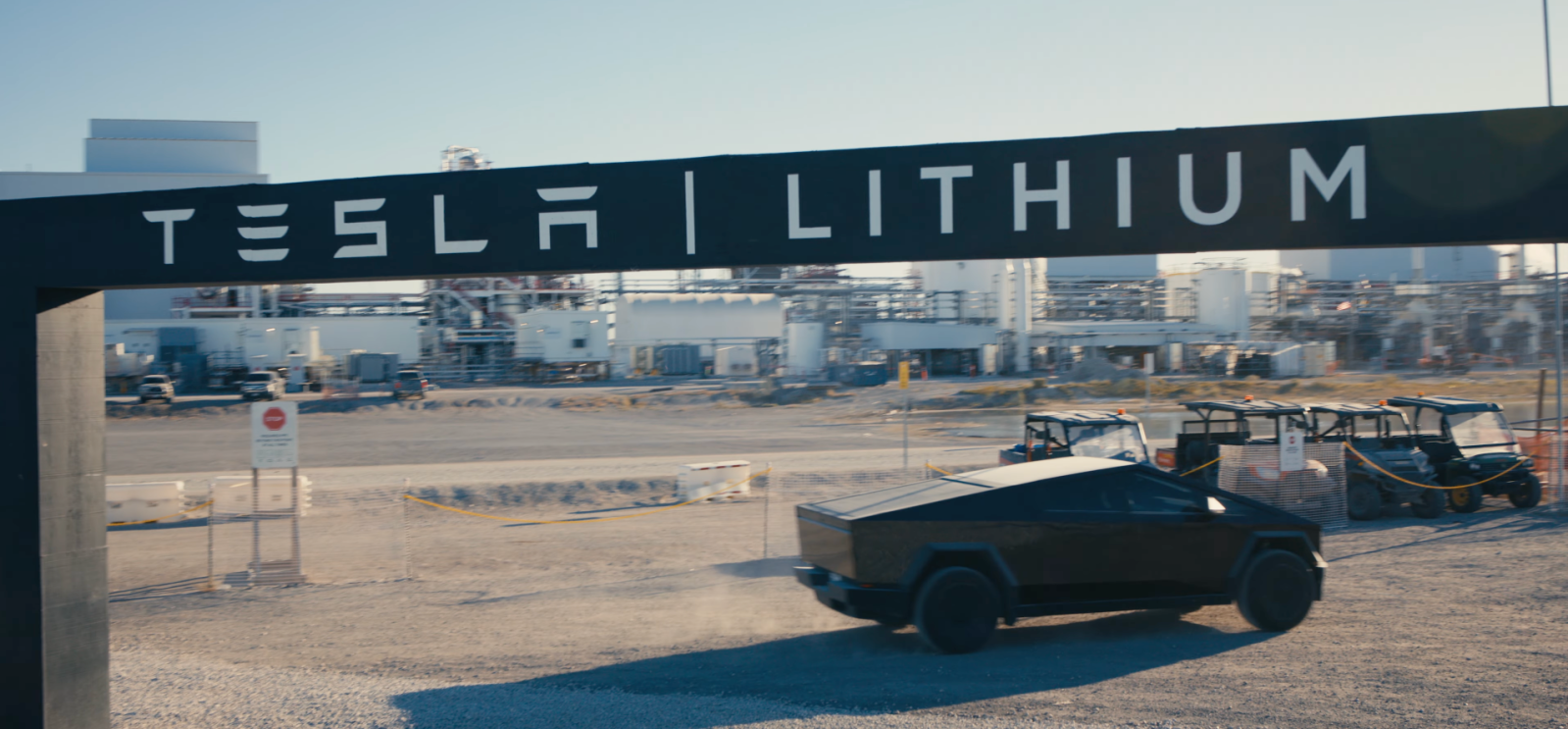
In a shocking turn of events that feels ripped straight from a Hollywood legal thriller, independent lab results have unveiled a dark secret lurking in the wastewater of Tesla’s massive lithium refinery in Robstown, Texas. What was once promised as a beacon of green energy and technological progress is now under fire for allegedly pumping a cocktail of dangerous carcinogens into the local ecosystem. The community, once hopeful for economic growth, now faces a potential environmental catastrophe that calls into question the true cost of the electric vehicle revolution.
According to the recent reports, the nearly $1 billion facility has been discharging a staggering 231,000 gallons of wastewater daily into a ditch managed by the Nueces County Drainage District No. 2. While the facility is a critical component of Elon Musk’s vision for a self-sufficient electric vehicle supply chain, the environmental price tag is proving to be much higher than anyone anticipated. Independent testing has confirmed the presence of hexavalent chromium—the notorious chemical made famous by the Erin Brockovich case—alongside arsenic and significantly elevated levels of lithium in the discharge flow.
A Chemical Cocktail: Arsenic and Chromium Hazards
The presence of hexavalent chromium is particularly alarming to health experts and environmentalists alike. Known scientifically as Chromium-6, this substance is a confirmed human carcinogen that can cause severe health issues, including lung cancer, liver damage, and reproductive problems if ingested or inhaled. Finding even traces of this metal in wastewater destined for local drainage systems is enough to trigger a massive public health alarm. It represents a significant failure in the filtration and safety protocols that Tesla claimed were world-class during the refinery’s construction phase.
But the list of contaminants doesn’t stop there. Arsenic, a heavy metal known for its extreme toxicity even in small doses, was also detected in the samples. Long-term exposure to arsenic is linked to various forms of cancer, skin lesions, and cardiovascular disease. Furthermore, the ‘elevated’ levels of lithium themselves pose a unique and poorly understood threat. While lithium is the ‘white gold’ powering our smartphones and cars, in high environmental concentrations, it can disrupt local aquatic life and potentially contaminate groundwater sources used for irrigation or livestock in the surrounding Texas ranchlands.
The sheer scale of the discharge is what makes this situation truly terrifying. With nearly a quarter-million gallons of industrial byproduct flowing every single day, the cumulative effect of these heavy metals on the Texas landscape could be irreversible. Local residents are now demanding answers, questioning whether the promise of high-tech jobs and local investment was a Trojan horse for industrial negligence that threatens their families’ safety.
Texas Fights Back: The Cease-and-Desist Order
Local authorities are moving swiftly to contain the damage. The Nueces County Drainage District No. 2 has officially issued a cease-and-desist letter to Tesla, demanding the company immediately halt its wastewater flow. This legal maneuver effectively freezes the refinery’s liquid waste operations until a comprehensive safety review and mitigation plan can be established. The district, which oversees the vital drainage infrastructure for the region, is clearly prioritizing the safety of the water supply over the operational timeline of the Silicon Valley giant.
This confrontation marks a significant hurdle for Tesla’s aggressive expansion in the Lone Star State. The Robstown refinery was intended to be a cornerstone of Tesla’s manufacturing independence, reducing the company’s reliance on overseas mineral processing. However, this environmental scandal could lead to long-term legal battles, massive fines, and a complete overhaul of the site’s environmental impact assessments. Tesla has often positioned itself as a champion of the planet, but this discovery paints a much grittier picture of the heavy industry required to build ‘clean’ cars.
Environmental advocates argue that this situation highlights the desperate need for stricter oversight in the burgeoning domestic lithium industry. As the United States races toward an electric future, it is becoming clear that the extraction and refinement of these materials carry heavy baggage. You can learn more about EPA regulations on chromium to understand the severity of these levels. The fallout from this investigation is only beginning, and the world is watching to see if Tesla can clean up its act.
Key points from the independent lab report include:
- Detection of hexavalent chromium (Chromium-6), a known carcinogen.
- Arsenic contamination found in daily wastewater discharge.
- 231,000 gallons of fluid pumped into local drainage systems daily.
- Immediate cease-and-desist issued by Texas drainage officials.
- Lithium levels far exceeding normal environmental backgrounds.
The industry must now grapple with the reality that ‘clean energy’ is not inherently clean in its production phase. Tesla’s ability to pivot and address these toxic findings will be a major test of its corporate ethics and its actual commitment to environmental sustainability versus mere profit. For the residents of Robstown, the fight for clean water has only just begun.