It was a bloody day on Wall Street as electric vehicle giant Tesla suffered one of its most catastrophic financial meltdowns in recent history. Shares spiraled completely out of control during trading, cratering by a staggering 12% in a matter of mere hours. The sheer magnitude of the stock market devastation wiped out an eye-watering $140 billion in market value, leaving investors, Wall Street analysts, and everyday shareholders in a state of absolute panic and shock. Is this the beginning of the ultimate end for the world’s most famous EV empire, or can the controversial billionaire CEO pull off another miraculous last-minute recovery?
The unprecedented stock crash arrived swiftly following the highly anticipated release of Tesla’s Q2 2026 earnings report. What was supposed to be a triumphant display of dominance quickly transformed into a terrifying horror story for investors as the numbers revealed a shocking truth about the company’s financial health.
The $140 Billion Meltdown: What Went Wrong?
The core catalyst behind this massive Tesla stock crash was a double-whammy of disastrous financial metrics. First, Tesla missed its Q2 2026 profit targets by a wide margin, proving that aggressive price cuts across its vehicle lineup have severely damaged profit margins beyond expectations. However, the true bombshell hidden within the report was that free cash flow unexpectedly turned negative. For a company valued at hundreds of billions of dollars, negative cash flow signals immense financial strain and operational drag.
Wall Street detests unpredictability, and Tesla’s Q2 numbers signaled a deeply alarming financial trend. The market bleeding was instantaneous. Massive sell orders flooded trading desks worldwide as panicked institutional buyers and retail traders rushed to cut their losses before the stock plunged even further into the abyss.
Broken Promises: Robotaxis and Optimus Fall Short
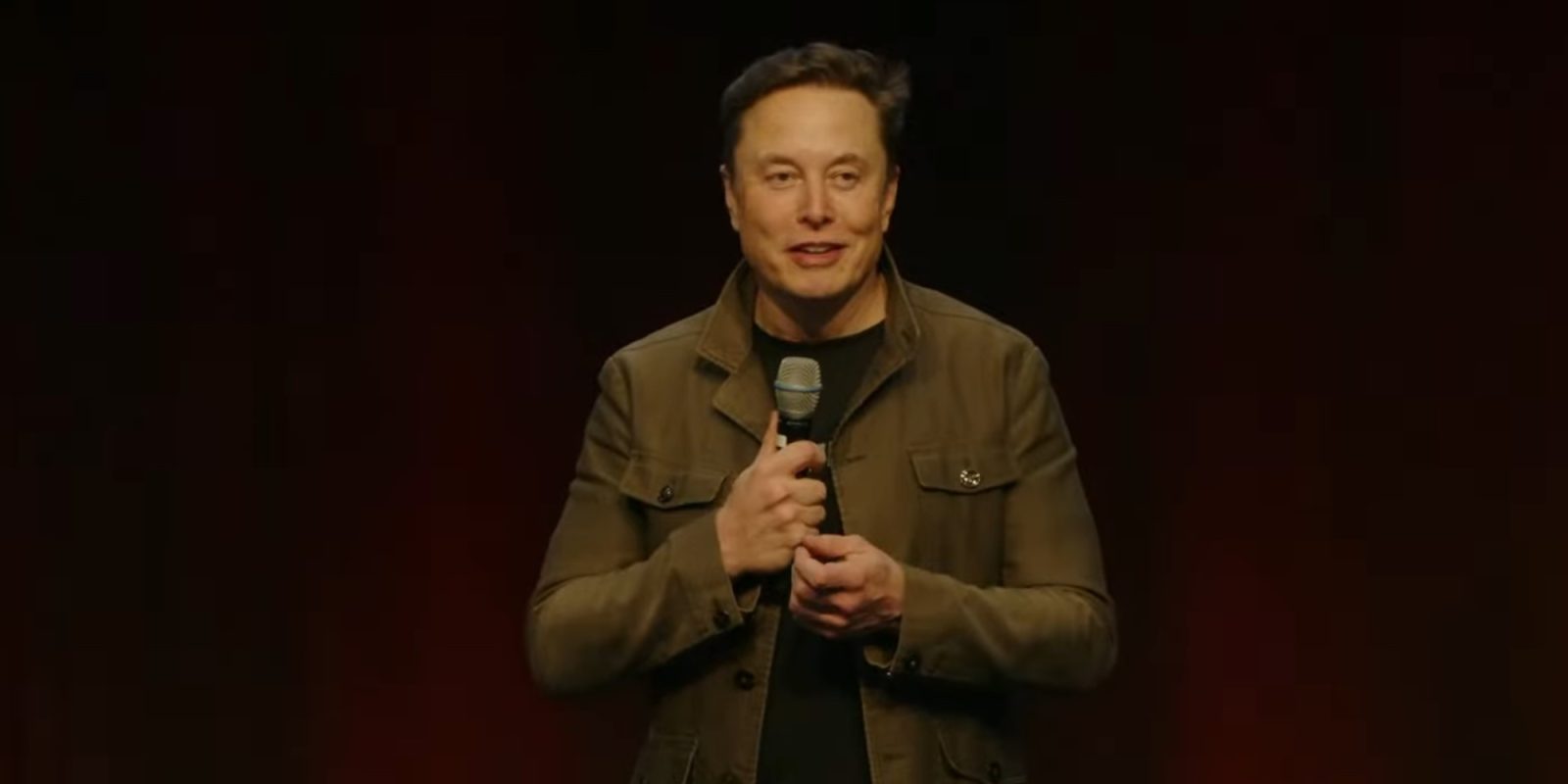
If anxious investors were desperately hoping for a reassuring lifeline during the post-earnings conference call, they were instead met with bitter disappointment and frustration. Elon Musk took the microphone, but rather than providing clear, concrete strategies for immediate financial recovery, he once again relied heavily on his familiar playbook of futuristic grand visions.
During the call, Musk doubled down on extravagant promises regarding fully autonomous robotaxis and the humanoid Optimus robot project. Unfortunately for Tesla enthusiasm, Wall Street has heard this exact song and dance for years. The hyped rhetoric that once sent Tesla stock soaring to the moon no longer possesses the same hypnotic magic. Financial experts quickly realized that beneath the futuristic buzzwords lay a sobering reality: delayed production timelines, massive regulatory hurdles, unfulfilled promises, and colossal capital expenditures that are currently draining the company’s vital cash reserves at an unsustainable pace.
Investors Lose Faith as Cash Flow Turns Negative
The sudden shift into negative free cash flow is undoubtedly the most dangerous red flag lurking in Tesla’s balance sheet. Having burned through billions of dollars to build out expensive Gigafactories across the globe, cash flow stability serves as the absolute lifeblood of Tesla’s ongoing survival. Turning negative at a moment when global electric vehicle competition is heating up fiercely is a recipe for complete disaster.
According to recent industry analysis from financial news reports, key market stakeholders are rapidly losing patience with tech stocks that fail to deliver fundamental profits. Tesla’s historically astronomical valuation was built entirely on the promise of hyper-growth and flawless execution. Without robust quarterly profits to justify the market cap, the stock remains incredibly vulnerable to brutal market corrections.
The road ahead for Tesla appears darker, more uncertain, and more turbulent than ever before. Facing aggressive competition from rival automakers, shrinking profit margins, and a consumer base increasingly weary of unfulfilled technological promises, Elon Musk is facing his greatest trial yet. Will his futuristic robotaxi dream ever transform into a profitable reality, or will the $140 billion nightmare drag Tesla down into permanent financial collapse?