Tesla Joins Forces with Sunwoda to Slash Production Costs
In a move that has sent shockwaves through the electric vehicle sector, Tesla has officially confirmed the addition of Sunwoda (often referred to as Xinwangda) as its fifth global battery cell supplier. This strategic alliance marks a pivotal moment for the Austin-based automaker as it battles intensifying competition from Chinese rivals and navigates a challenging economic landscape where consumer spending on luxury EVs is cooling. The decision to onboard Sunwoda highlights Tesla’s relentless pursuit of vertical integration and supply chain resilience. By bringing a fifth major player into the fold, Elon Musk is sending a clear message to the industry: Tesla will do whatever it takes to remain the price leader in the zero-emissions race.
The Death of High EV Prices?
The integration of Sunwoda into Tesla’s supply chain is not just a minor procurement update; it is a full-scale offensive against rising manufacturing costs. Tesla has been under immense pressure to maintain its dominance in the global market, particularly as automotive gross margins have plummeted from a record high of nearly 27% in 2021 to a much leaner 15% in recent quarters. By tapping into Sunwoda’s production capabilities, Tesla is positioning itself to regain the upper hand in the pricing wars that have defined the EV market over the last year. The focus is clearly on high-volume, low-margin products that can penetrate emerging markets and budget-conscious demographics in Europe and North America.
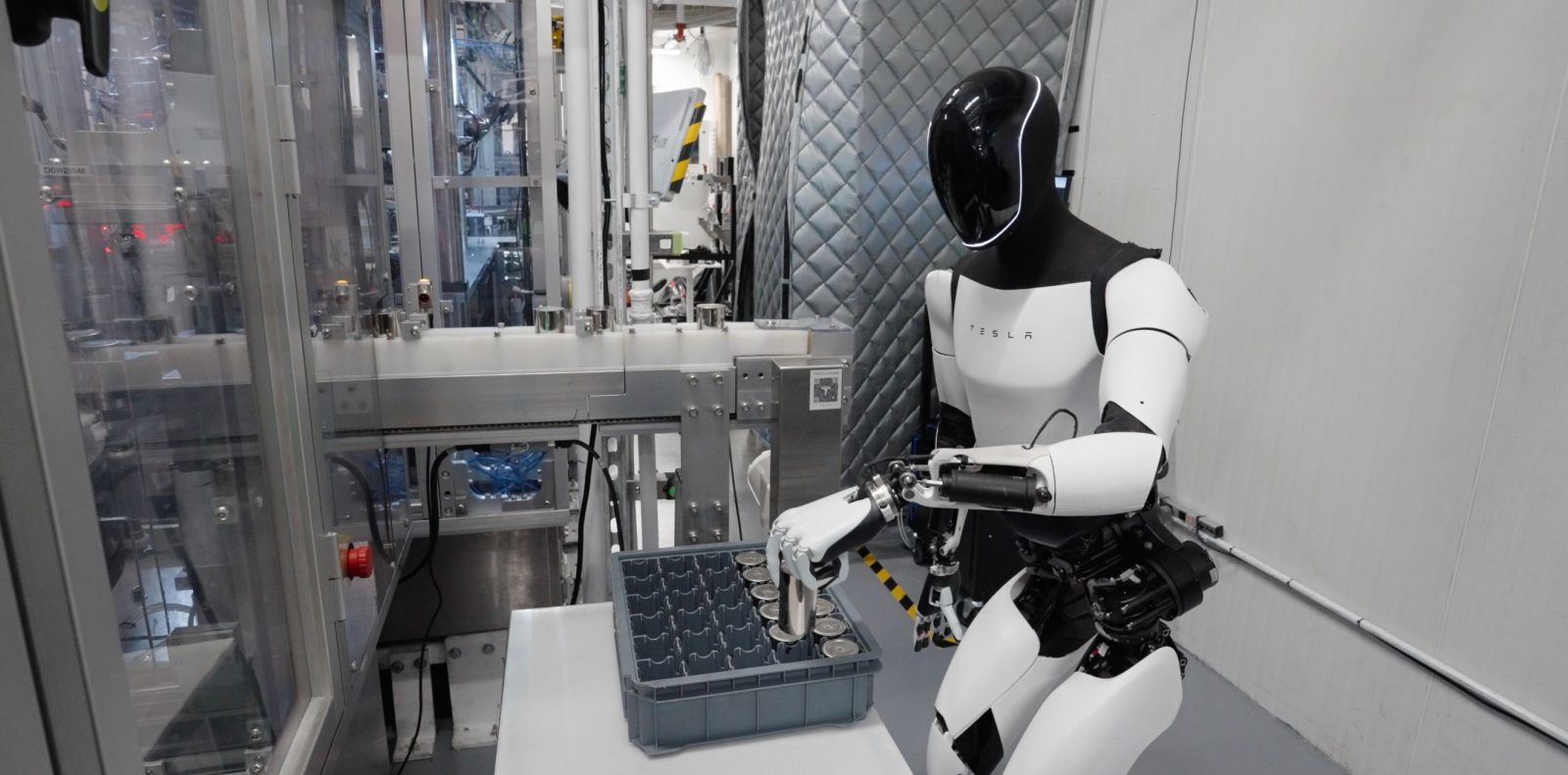
Sunwoda, a major player in the lithium-ion battery space, specializes in Lithium Iron Phosphate (LFP) technology. These batteries are prized for their lower production costs and enhanced safety profiles compared to traditional nickel-cobalt-based chemistries. According to industry insiders, LFP cells from Sunwoda are already being integrated into vehicles manufactured at Tesla’s Gigafactory Shanghai. These vehicles are primarily destined for export markets, signaling that Tesla is confident in the quality and performance of Sunwoda cells for international customers. This expansion of the supplier network is a clear signal that the company is willing to diversify beyond its long-standing partners to achieve its ambitious growth targets and solidify its grip on the global supply chain.
A Strategic Pivot Amidst Global Competition
The global EV market is no longer a one-horse race. With manufacturers like BYD and Xiaomi launching high-spec vehicles at aggressive price points, Tesla can no longer rely solely on brand prestige. The addition of Sunwoda is a clear signal that Elon Musk is prioritizing operational efficiency and cost-scaling over all else. The automotive industry is watching closely as Tesla adapts its strategy to ensure that its vehicles remain the most attractive option for the mass market. For years, the primary barrier to electric vehicle adoption has been the high entry price, largely driven by the cost of the battery pack. Tesla’s move to diversify its supplier base to include Sunwoda suggests a future where the ‘Model 2’ or next-generation compact vehicle becomes a financial reality for the average consumer.
By utilizing a fifth supplier, Tesla creates a highly competitive environment among its providers, which include CATL, LG Energy Solution, Panasonic, and BYD. This competitive friction allows Tesla to negotiate significantly better pricing, effectively squeezing its suppliers to protect its own bottom line. The inclusion of Sunwoda is particularly noteworthy because it demonstrates Tesla’s willingness to lean even more heavily on Chinese battery expertise. While the U.S. government has been pushing for domestic battery production through various subsidies, Tesla recognizes that the immediate path to high-volume, low-cost production still runs through the sophisticated supply chains established in East Asia.
Beyond the immediate cost benefits, the partnership with Sunwoda provides Tesla with a hedge against supply chain disruptions. In an era of geopolitical instability and fluctuating raw material prices, having a fifth major supplier ensures that production lines in Shanghai and potentially other Gigafactories will not grind to a halt. As Tesla continues to expand its energy storage business alongside its vehicle lineup, the demand for reliable battery cells will only grow exponentially. For those interested in the technical evolution of EV batteries, you can explore more about battery technology trends at Electrek. The shift toward LFP is a trend that is unlikely to reverse, especially as energy density improvements close the gap with more expensive chemistries. Tesla’s gamble on Sunwoda might just be the catalyst that forces the rest of the industry to rethink their procurement strategies or risk being left in the dust.
- Increased supply chain diversity to mitigate geopolitical risks.
- Aggressive reduction in manufacturing costs for export-focused models.
- Utilization of safe and durable LFP battery chemistry.
- Enhanced negotiation leverage with existing Tier-1 suppliers.
Ultimately, the inclusion of Sunwoda serves as a testament to Tesla’s long-term vision. By aggressively diversifying and focusing on cost-efficient LFP technology, Tesla is building a moat that few can cross. The coming years will reveal whether this fifth supplier can help propel Tesla back to its historic margin highs while delivering affordable electric mobility to the masses. The stock market and industry analysts will be watching the next quarterly earnings report closely to see the first signs of this partnership reflecting on the company’s financial health and its ability to weather the current economic storm.