The electric vehicle industry is currently undergoing a seismic shift that promises to redefine how we think about transportation, energy, and the global supply chain. At the heart of this transformation are several key players and technologies that have the potential to disrupt the status quo. From the highly anticipated rollout of the Tesla Semi to the technical nuances of the 4680 battery cell, the stakes have never been higher for manufacturers and consumers alike. As we peel back the layers of the latest industry developments, it becomes clear that we are witnessing the birth of a new era in sustainable mobility.
The Massive Shift in Heavy Hauling and Battery Tech
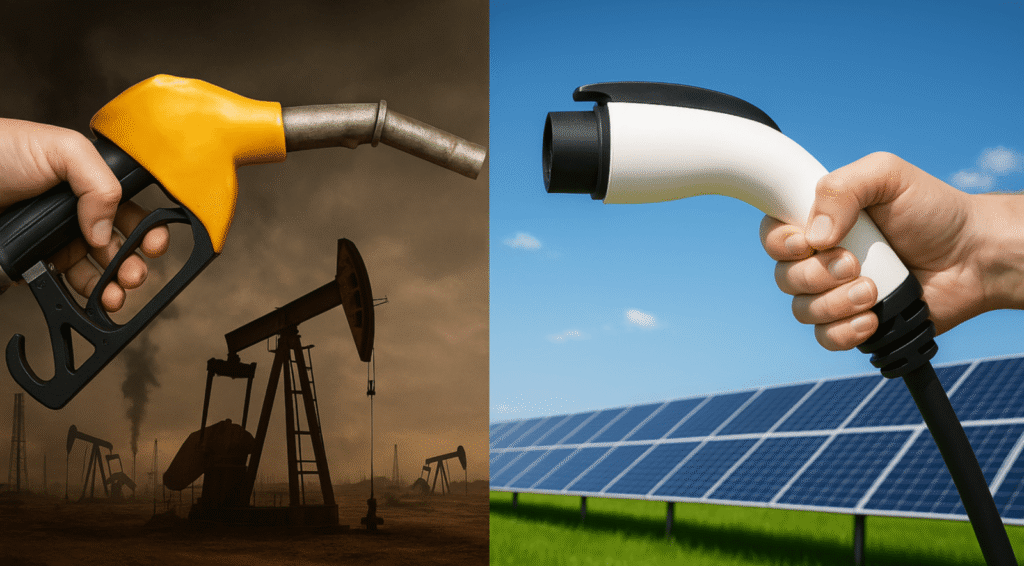
One of the most significant topics currently dominating the conversation is the expansion of the Tesla Semi program. For years, the logistics industry has relied on diesel-guzzling heavy-duty trucks that contribute a massive amount of carbon emissions. The Tesla Semi aims to shatter this reliance by providing a long-haul solution that is not only cleaner but also more cost-effective over the long term. However, the success of the Semi is intrinsically linked to the production and efficiency of the 4680 battery cell. This specific cell design is touted as the ‘holy grail’ of battery technology, promising higher energy density, lower production costs, and the ability to scale up manufacturing to meet global demand.
Critics and enthusiasts alike are keeping a close eye on Tesla’s ability to ramp up 4680 production. If the company can master the dry electrode manufacturing process, it could lead to a significant drop in the price of electric vehicles across the board. This isn’t just about trucks; it’s about making energy storage and passenger EVs more accessible to the general public. The ripple effects of this technological leap would be felt from the factory floor to the suburban driveway, marking a definitive victory for sustainable energy advocates.
BMW iX3 Pricing: Can It Challenge the Model Y?
While Tesla continues to dominate the headlines, legacy automakers are not sitting idly by. BMW has been making significant strides with its iX line, and the latest pricing details for the BMW iX3 have sent shockwaves through the luxury SUV market. The iX3 represents a bridge between traditional luxury craftsmanship and the modern requirements of electric propulsion. As pricing becomes more competitive, many potential buyers are weighing the benefits of BMW’s build quality against the tech-forward approach of the Tesla Model Y. For a deep dive into how these vehicles compare, you can follow the Electrek Podcast for expert analysis and live updates.
The pricing strategy for the iX3 is particularly interesting because it signals BMW’s intent to capture a larger share of the mid-to-high-range EV market. By positioning the iX3 as a viable alternative to established electric SUVs, BMW is forcing the hand of other manufacturers to either lower their prices or increase their standard features. This competition is a win for consumers, who now have more choices than ever when it comes to high-performance, eco-friendly vehicles. The battle for the luxury SUV segment is just beginning, and the iX3 is a formidable contender.
Rivian R2: The New King of Electric Pickups?
Beyond the established giants, Rivian is carving out its own niche with the R2 pickup platform. The R2 is designed to be a more compact, affordable sibling to the R1T, targeting a demographic that wants the utility of a truck without the massive footprint or price tag. Early reports suggest that the Rivian R2 could be a game-changer for the brand, offering impressive range and off-road capabilities that rival its larger predecessors. The excitement surrounding the R2 highlights a growing trend: the consumer desire for versatile electric vehicles that can handle both city commuting and weekend adventures.
As Rivian continues to navigate the challenges of mass production, the R2 will be a litmus test for the company’s long-term viability. If Rivian can successfully launch the R2 and meet its delivery targets, it will solidify its place as a leader in the electric adventure vehicle space. The combination of Tesla’s heavy hauling innovations, BMW’s luxury refinements, and Rivian’s rugged versatility proves that the EV market is no longer a monolith. It is a diverse and rapidly evolving ecosystem where only the most innovative and efficient will survive.