The Future is Finally Here: Tesla Robotaxi App Lands on Android
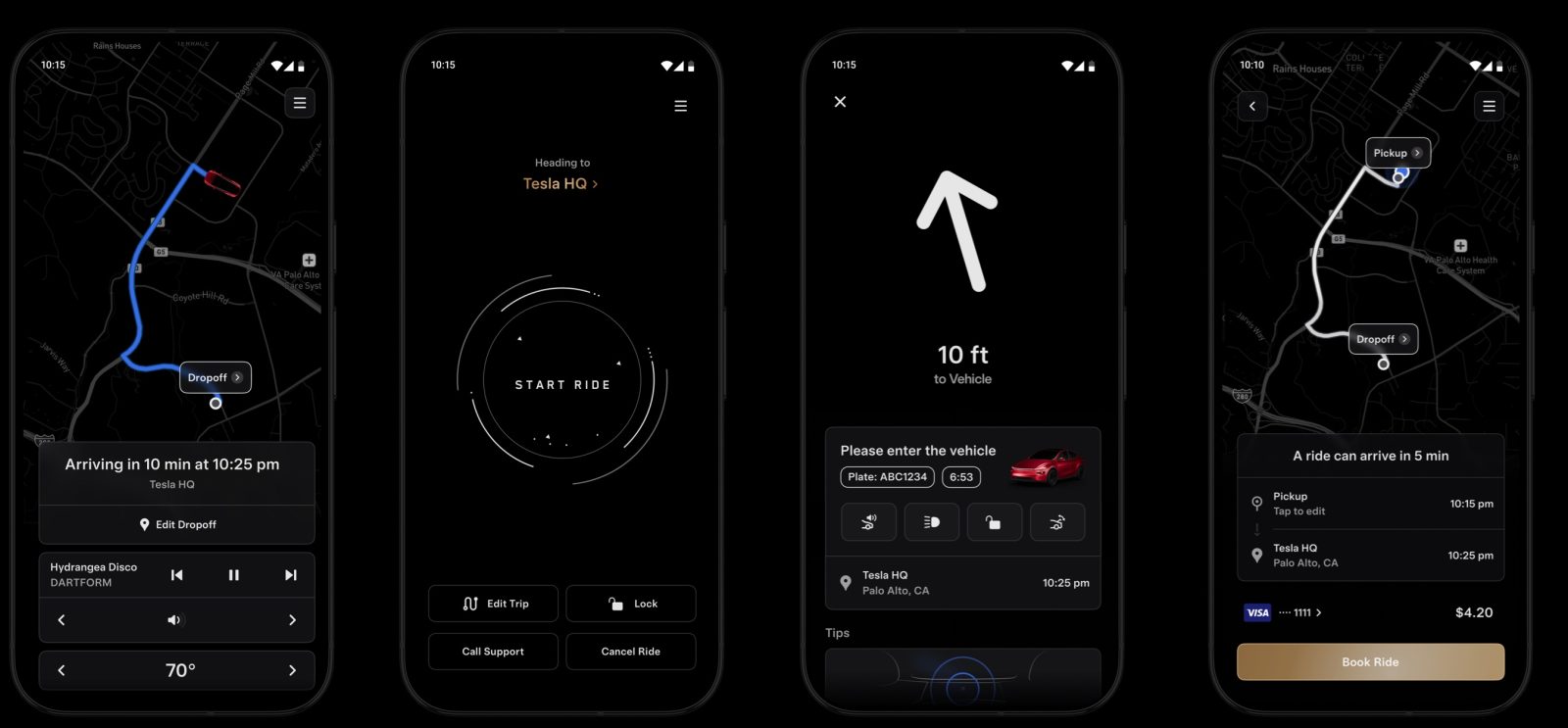
The world of autonomous driving just took a massive, world-shaking leap forward. For months, Android users have been forced to watch from the sidelines, feeling like second-class citizens, as their iPhone-wielding counterparts summoned driverless Teslas with a simple, smug tap. The launch of the Tesla Robotaxi app on iOS back in September 2025 felt like a definitive exclusion of millions of loyal Google Play Store users. But as of April 24, 2026, that era of digital segregation has ended. Tesla has officially unleashed the Robotaxi application for Android, marking a historic shift in the company’s global software deployment strategy and signaling that the era of mass-market autonomous transit is finally, truly, here for everyone.
A Year of Exclusion: Why the Droid Delay?
The delay between the iOS and Android launches—spanning nearly a full, agonizing year—has been the subject of intense scrutiny and debate among tech enthusiasts and stock market analysts alike. Why did Elon Musk’s elite software engineering team wait so long to cater to the world’s most widely used mobile operating system? Some industry insiders speculate it was a matter of optimizing the complex, heavy-duty neural networks required for the app’s real-time interface, which interacts directly with Tesla’s fleet telemetry. Others believe it was a calculated, strategic move to focus on high-density iOS markets first to gather data before the floodgates opened. Regardless of the reason, the ‘droid’ crowd is no longer locked out of the FSD (Full Self-Driving) revolution.
Expanding the Empire: Texas Becomes Ground Zero
This monumental release didn’t happen in a vacuum of silence. It arrived just days after Tesla announced a massive, aggressive expansion of its Robotaxi service within the heart of the Lone Star State. While the streets of Austin have served as the experimental, high-tech playground for these sleek, steering-wheel-free vehicles, the service has now officially bled into the massive metropolitan hubs of Dallas and Houston. The timing is no coincidence; by unlocking the app for Android users, Tesla has effectively doubled its potential customer base overnight in these high-traffic, car-dependent Texas cities. This is a power move designed to saturate the market before competitors can even get their prototypes off the test track.
What This Means for the Ride-Hailing Industry
When you finally open the app on your Samsung, Pixel, or Motorola device, the experience is nothing short of pure science fiction. The interface is clean, minimalist, and designed with the user’s safety and comfort as the primary directive. You aren’t just booking a ride to the grocery store; you are summoning a piece of the future that has been promised for decades. The app allows users to fully customize the vehicle’s interior environment before it even arrives at their curb. You can set the climate to a crisp 68 degrees, choose a specific Spotify playlist to greet you, and even track the vehicle’s lidar and camera-based navigation in real-time as it maneuvers through the chaos of urban traffic without a single human hand on the steering wheel.
But what does this mean for the legacy giants like Uber and Lyft? The entire foundation of the ride-hailing industry is shifting under our feet. With Tesla’s vertically integrated ecosystem—where they own the manufacturing of the cars, the proprietary AI software, and now the direct-to-consumer booking platform—they are positioned to offer ride rates that traditional services simply cannot compete with. There are no human drivers to pay, no fuel costs in the traditional sense, and significantly lower maintenance overhead. This is a disruptive force that is likely to fundamentally alter how we perceive urban mobility and personal car ownership in the coming decade.
Industry experts at Electrek have noted that this expansion is just the tip of the iceberg for Tesla’s grand vision. As the Android software matures and more devices become compatible with the sophisticated app, the rollout is expected to go nationwide, and eventually, global. The ‘Cyber-Cab’ revolution is no longer a distant dream or a concept video on YouTube; it is a downloadable reality available right now in your pocket. If you are currently residing in Dallas, Houston, or Austin, your daily commute is about to undergo a radical transformation. The Robotaxi service represents the culmination of over a decade of intense AI development and hardware iteration. It is the physical, rolling manifestation of a vision for a world where car ownership is optional and human-error traffic fatalities become a relic of the past.