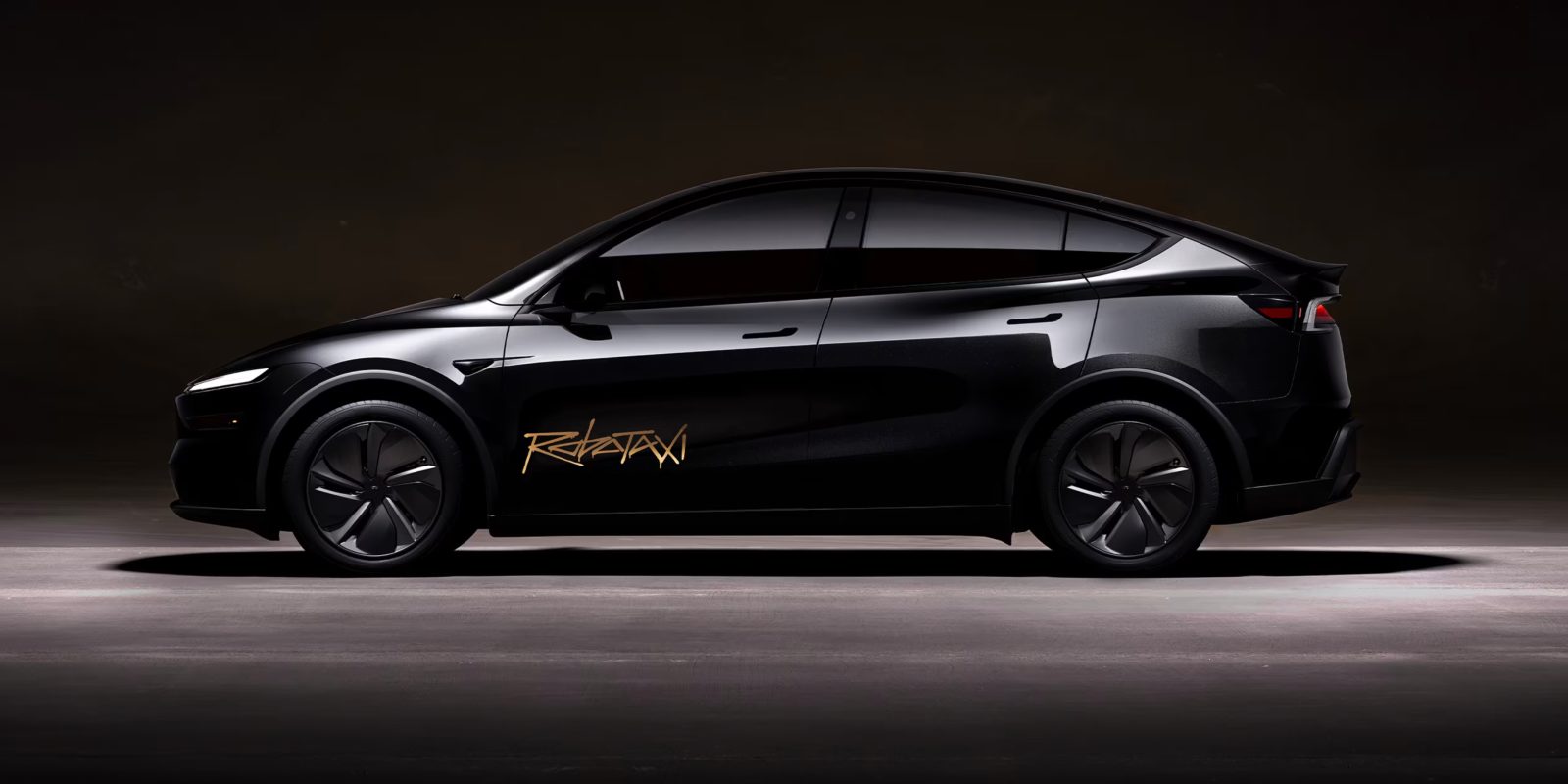
In a shocking turn of events that has sent shockwaves through the electric vehicle community, Tesla’s highly anticipated autonomous vision has suffered yet another devastating, high-profile setback. Fresh filings submitted directly to federal safety regulators have exposed a glaring vulnerability in Elon Musk’s driverless dream. A newly uncovered crash report reveals that a Tesla Robotaxi was piloted directly into a tree stump in Houston, Texas. The most chilling detail? A human remote operator was behind the wheel at the exact moment of impact.
As autonomous technology continues to promise a future devoid of human error, this latest fiasco highlights a bizarre irony: human intervention was the precise cause of the destruction. Critics and safety advocates are raising alarms after four brand-new crash reports surfaced, shedding light on what really happens behind the scenes of Tesla’s secret self-driving testing ground.
Unmasking the Houston Robotaxi Disaster
The incident in Houston is not merely a minor fender bender; it represents a critical flaw in how remote driver intervention is executed under real-world stress. According to formal reports filed with the National Highway Traffic Safety Administration (NHTSA official database), the vehicle was navigating urban terrain under the supervision of a remote pilot. Instead of avoiding obvious hazards, the operator miscalculated the path entirely, driving the futuristic autonomous car straight into an immovable tree stump.
This latest collision marks the third documented crash where a human controlling the vehicle remotely was responsible for the impact. However, what makes this specific filing so unprecedented is that Tesla has officially coded the cause as a direct remote operation failure in its regulatory submission for the first time ever. For months, industry analysts questioned whether Tesla’s remote operator fail-safes were truly reliable, and these new documents provide damning evidence that remote piloting carries immense hidden risks.
The Remote Control Illusion
When tech giants sell the vision of fully autonomous taxi fleets, the public envisions hyper-intelligent artificial intelligence seamlessly weaving through complex city traffic without a single human touch. In reality, modern driverless technology heavily relies on unseen human oversight—remote operators sitting in command centers miles away, ready to take over whenever the onboard AI encounters confusion or unpredictable obstacles.
Yet, relying on remote drivers introduces severe latency challenges, distorted camera feeds, and a lack of spatial physical feedback. When a remote operator attempts to steer a moving vehicle through video feeds, the margin for error shrinks dramatically. The Houston tree stump collision proves that replacing an in-car driver with a distant remote operator does not automatically eliminate human error; in fact, it might actually exacerbate latency-driven judgment blunders.
Regulatory Storm Brewing Over Autonomous Vehicles
With federal investigators closely watching Tesla’s every move, these four new crash reports couldn’t come at a worse time for the automaker. Safety organizations are demanding immediate answers regarding driverless testing protocols, safety buffers, and training standards for remote controllers. The recurring crashes raise vital questions that regulatory agencies must address before these vehicles are allowed to flood public roadways in mass production.
- Latency Delays: How quickly can a remote operator react when a sudden obstacle appears on screen?
- Regulatory Accountability: Should remote operator crashes be classified differently than standard human driver collisions?
- Transparency Issues: Why did it take multiple remote control collisions for Tesla to officially code remote operation as the cause?
- Safety Fail-safes: Can automated emergency braking override faulty inputs from a remote human operator?
The dream of a fully autonomous future remains enticing, but the reality on the streets of Houston tells a very different story. As Tesla pushes forward with its ambitious Robotaxi roadmap, both consumers and federal regulators are forced to ask a sobering question: Is the technology truly ready for prime time, or are we witnessing an unsafe experiment unfolding on public roads?