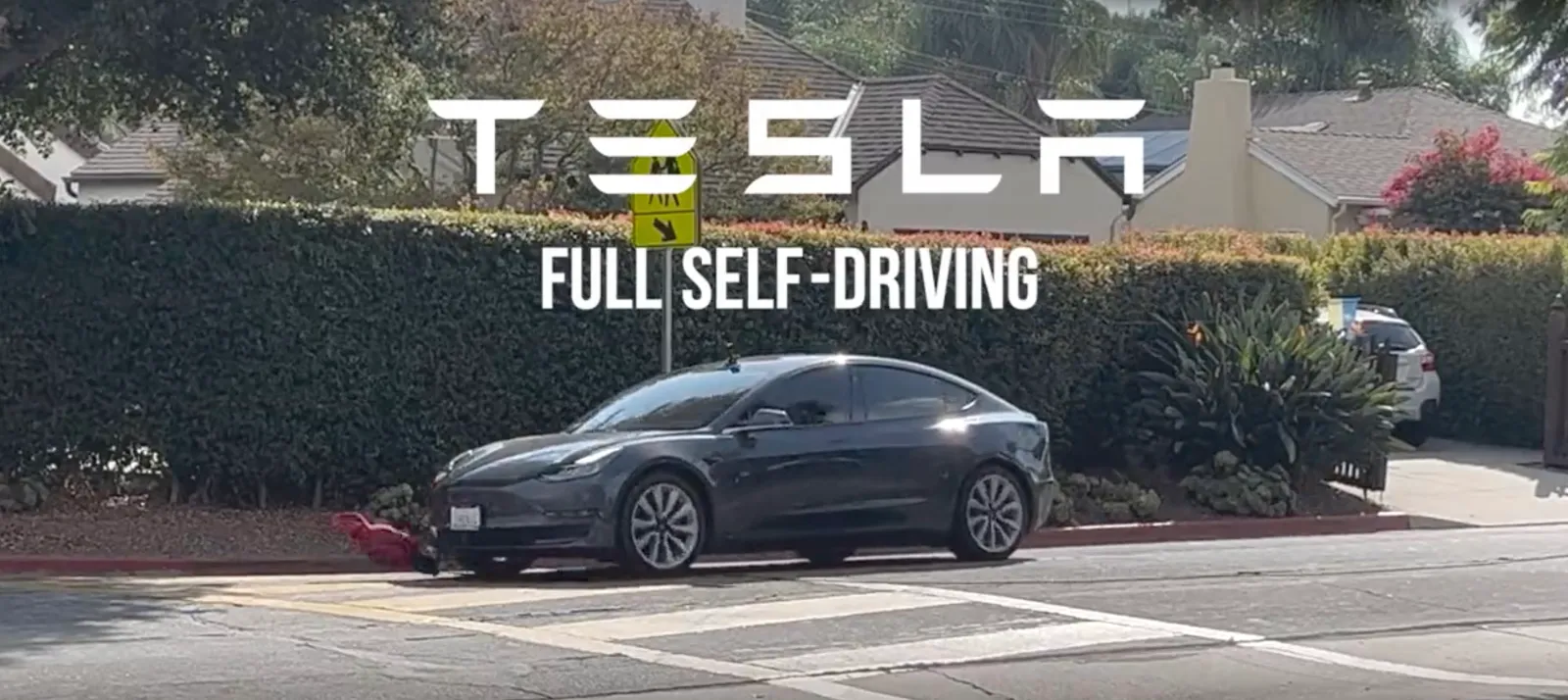
Tesla’s long-awaited Full Self-Driving (FSD) launch in Europe was supposed to be a moment of triumph for Elon Musk. Instead, it has morphed into a catastrophic legal reckoning that mirrors the explosive consumer backlash seen in Australia last year. Thousands of Hardware 3 (HW3) owners are waking up to a chilling reality: the ‘Full Self-Driving’ package they paid thousands of euros for may never actually be delivered on their current hardware. As the rollout begins, the technical limitations of older vehicles are becoming impossible to ignore, sparking a wave of fury across the continent.
The Great Tesla FSD Betrayal: Why HW3 Owners Are Suing
For years, Tesla marketed its vehicles with the bold claim that every car produced had ‘all the hardware necessary’ for future autonomy. Early adopters, particularly those who purchased vehicles in 2019, shelled out as much as €6,400 for the FSD suite, believing they were investing in a future-proof asset. However, as Tesla’s software has evolved to require more processing power and higher-fidelity camera data, the older HW3 suite is proving to be a bottleneck. Tesla has now admitted, in various contexts, that the leap to true autonomy likely requires the newer AI5 or at least Hardware 4 (HW4) configurations.
This admission has sent shockwaves through the European Tesla community. Owners who were promised a ‘robotaxi’ future are now finding themselves stuck with expensive software that can only perform glorified cruise control. The anger is palpable, as these customers feel they were sold a product under false pretenses. The situation is further complicated by the fact that retrofitting these vehicles is either technically impossible or prohibitively expensive for the manufacturer.
The Dutch Rebellion: A Collective Claim Gains Momentum
Leading the charge against the EV giant is a Model 3 owner from the Netherlands. Having paid €6,400 for FSD back in 2019, he has reached a breaking point. Rather than fighting a solo legal battle, he has launched a sophisticated collective claim website designed to bundle HW3 and FSD owners from across the entire European Union into a single, massive legal entity. This ‘strength in numbers’ approach aims to force Tesla into either providing free hardware upgrades or issuing massive refunds to disgruntled owners.
The Dutch legal landscape is particularly friendly to such collective actions, and the movement is gaining steam rapidly. The primary grievances listed by the group include:
- False advertising regarding the capabilities of HW3.
- Failure to deliver a functional product within a reasonable timeframe.
- Degradation of resale value due to hardware obsolescence.
- Lack of transparency regarding the necessity of HW4 for safety features.
By organizing online, these owners are ensuring that Tesla cannot simply ignore individual complaints. They are preparing for a protracted legal battle that could redefine consumer rights in the era of software-defined vehicles.
The Global Fallout: Learning from the Australian Precedent
This isn’t the first time Tesla has faced this specific firestorm. Last year, Australian owners successfully challenged the company over similar hardware deficiencies. The Australian precedent proved that consumer protection agencies are willing to look past ‘Beta’ labels and hold tech companies accountable for the hardware promises they make at the point of sale. If the European courts follow suit, Tesla could be facing a multi-billion euro liability across its EU fleet.
Industry analysts suggest that Tesla may be forced to offer significant credits or physical hardware swaps to settle these claims. However, with the sheer volume of Model 3 and Model Y vehicles on European roads, a physical retrofit campaign would be a logistical nightmare of epic proportions. As reported by Electrek, the Dutch claim is just the tip of the iceberg as European regulators begin to scrutinize Tesla’s autonomous driving claims more closely than ever before.
For the average Tesla owner, the question remains: is your car a high-tech investment or an expensive paperweight? As this legal drama unfolds, the answer will likely depend on whether Tesla honors its original promises or continues to pivot toward newer hardware, leaving its most loyal early adopters in the dust. One thing is certain: the era of unchecked promises in the autonomous driving space is coming to a crashing halt in the European courts.