The Return of the Golden Ticket: One Year of Free Miles
In a move that has sent shockwaves through the electric vehicle industry, Elon Musk’s Tesla has officially reinstated one of its most legendary and sought-after incentives. For a limited time, new buyers of the Tesla Model 3 Premium and Performance trims in North America are being greeted with a perk that many enthusiasts thought was a relic of the past: one full year of complimentary Supercharging. This aggressive maneuver aims to solidify Tesla’s dominance in the luxury sedan market while simultaneously twisting the knife into the backs of rival EV manufacturers who are struggling to keep pace.
The incentive is clear and powerful: buy a high-end Model 3 and stop worrying about fuel costs for the next twelve months. For the average American commuter, this could represent thousands of dollars in direct savings, depending on their driving habits and local electricity costs. Tesla is targeting the Premium and Performance variants specifically with this offer, which suggests a calculated strategic push to move higher-margin inventory before the end of the fiscal quarter. Historically, free Supercharging has been the ‘nuclear option’ for Tesla’s sales team, deployed only when they need to dramatically spike delivery numbers and generate massive media buzz.
The Strategic Sales Push in North American Markets
North American markets have seen a cooling in EV demand growth over the past several months, leading to what some industry analysts call an ‘inventory glut.’ By offering free charging, Tesla is effectively lowering the total cost of ownership without permanently slashing the MSRP of the vehicles—a move that protects the resale value of existing cars on the road while enticing new buyers. The Model 3, which recently underwent a significant ‘Highland’ refresh, is facing stiff competition from the likes of Hyundai, Kia, and even luxury stalwarts like BMW and Mercedes-Benz.
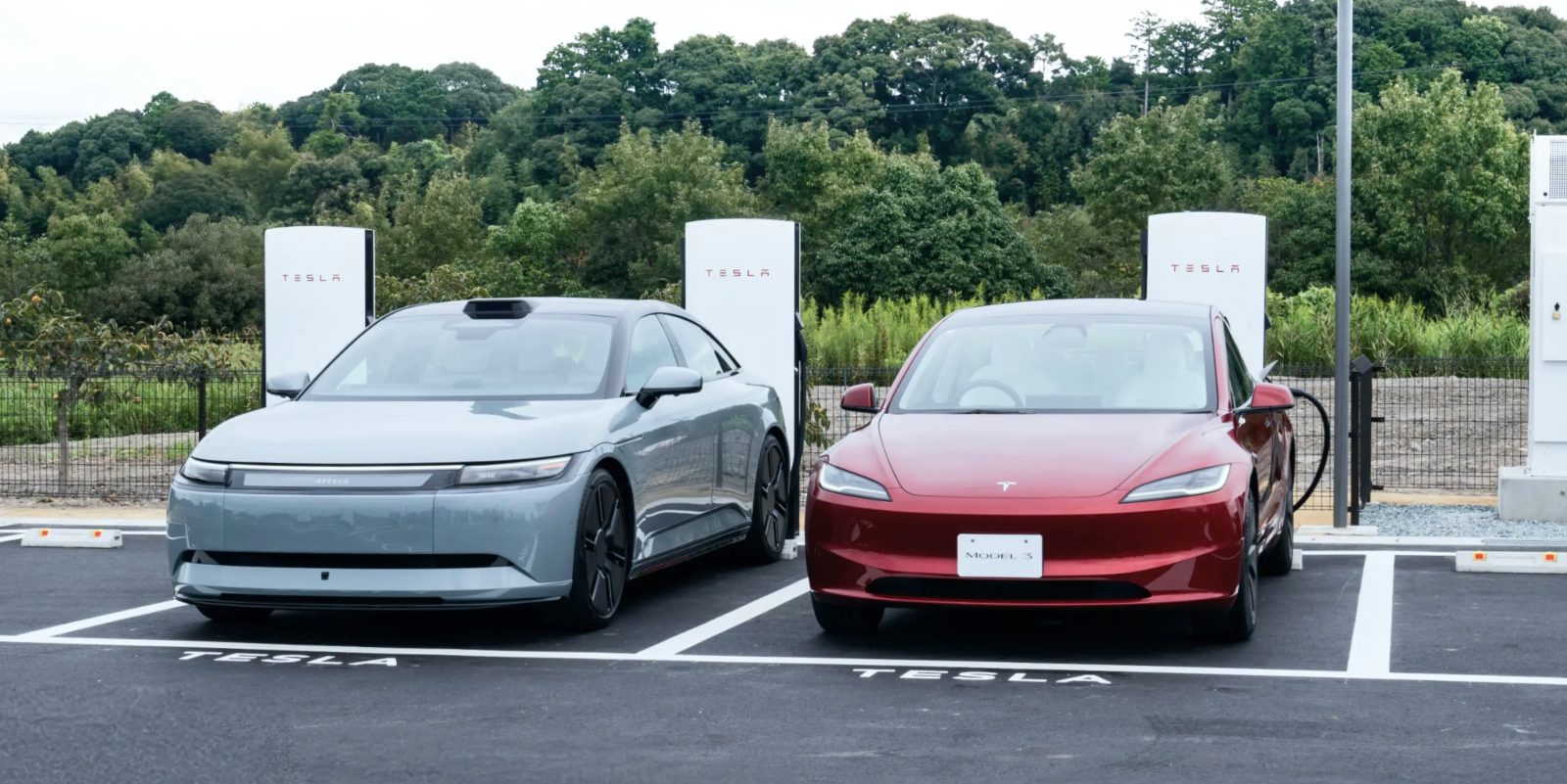
This isn’t just about charity or simple marketing; it’s about ecosystem lock-in. By providing a year of free energy, Tesla ensures that new owners become habituated to the Supercharger network, which remains the gold standard for charging infrastructure globally. The seamless integration, high uptime, and plug-and-charge simplicity make it a ‘moat’ that other automakers are still struggling to cross. Industry insiders suggest that this move might be a precursor to even more aggressive tactics. With the introduction of NACS (North American Charging Standard) across the board, Tesla is positioning itself as the primary energy provider for the entire continent, not just for its own vehicles.
The War on Non-Tesla EV Owners: The 40% Controversy
While Tesla is rolling out the red carpet for its own customers, it is simultaneously taking a ‘gloves off’ approach toward owners of competing electric vehicles. In a recent announcement that accompanied the free charging news, Tesla explicitly mocked non-Tesla owners who use their Supercharger network. The company claimed that these ‘outsiders’ are forced to pay a roughly 40% premium compared to Tesla owners. This bold claim serves a dual purpose: it justifies the subscription model for charging and acts as a psychological barrier for those considering a Ford Mustang Mach-E, a Chevy Blazer EV, or a Rivian R1T.
However, data suggests that Tesla might be slightly exaggerating its dominance to win the PR war. Independent analysis of charging rates across various states shows that the actual premium paid by non-Tesla owners is likely closer to 30% or 35%. While still a significant ‘tax’ for not owning a Tesla, it highlights a growing trend of sensationalism in Tesla’s marketing communications. Tesla is essentially weaponizing its infrastructure, turning its chargers into a billboard that screams to every rival owner: ‘You’d be paying less if you drove one of ours.’
This pricing disparity is becoming a major point of contention in the EV community. As more brands gain access to the Supercharger network via adapters, the tension between ‘legacy’ Tesla owners and the ‘newcomers’ is reaching a breaking point. Tesla’s decision to brag about these high margins on competitors’ charging sessions is a bold, if not slightly arrogant, assertion of their market power. Whether this year of free juice is enough to sway skeptical buyers remains to be seen, but one thing is certain: the global charging wars are just heating up, and Tesla is holding all the high-voltage cards.