Tesla’s Ambitious AI Chip Development Faces Significant Setbacks
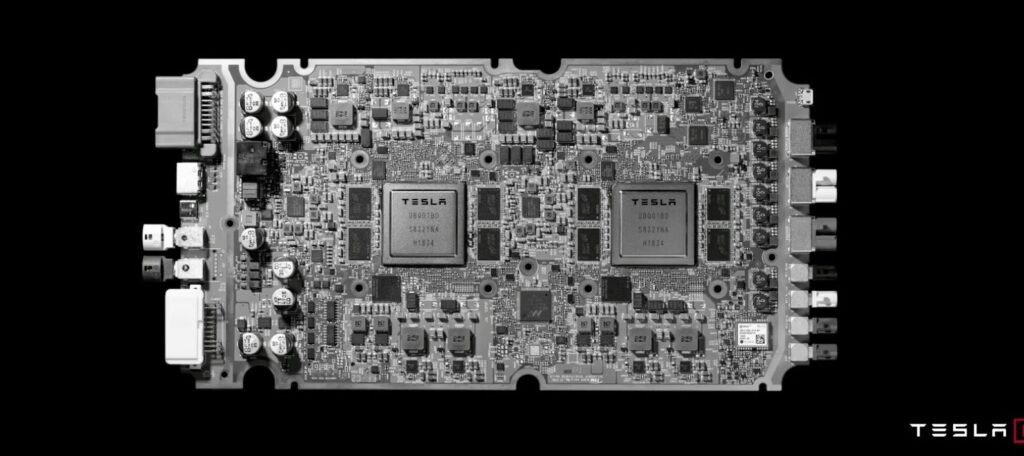
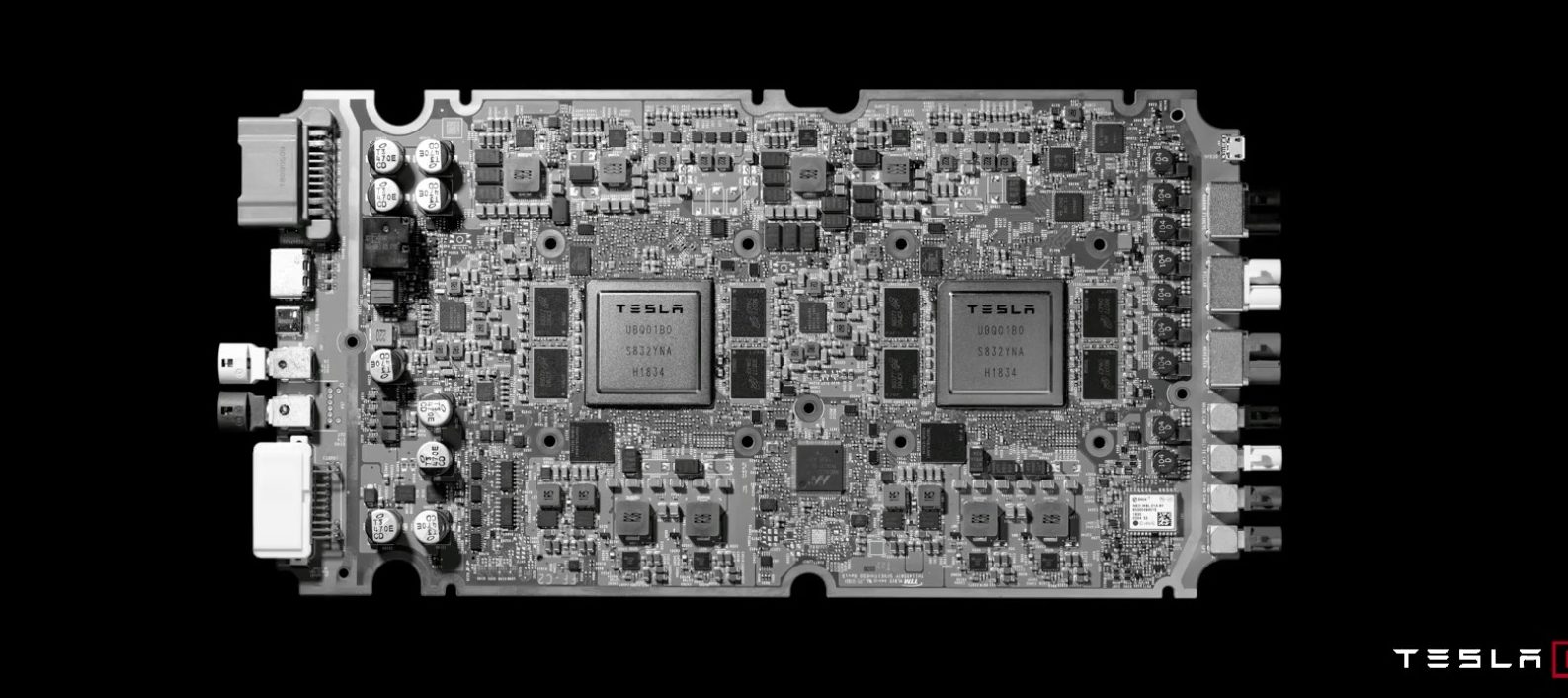
The development of Tesla’s next-generation AI6 chip, a critical component intended to drive the company’s advancements in autonomous vehicles, the highly anticipated Optimus robots, and its extensive AI data center operations, has encountered a considerable delay. This setback is estimated to push the chip’s mass production timeline back by approximately six months. The primary reason cited for this postponement is linked to issues with Samsung’s 2-nanometer production line. A deferred multi-project wafer (MPW) run, a crucial step in the chip manufacturing process, is directly impacting the schedule, now pointing towards late 2027 for full-scale production of the AI6 chip.
This latest timeline adjustment for the AI6 chip adds to a concerning pattern of delays that have characterized Tesla’s in-house chip development efforts. The company is still awaiting the volume production of its AI5 chip, a predecessor to the AI6. This is particularly notable given recent statements from Tesla CEO Elon Musk, who indicated in January that the AI5 chip design was “almost done.” This statement itself came six months after an earlier assertion from Musk that the design phase had been “finished.” Such recurring slippages in chip production timelines raise questions about the feasibility and execution of Tesla’s ambitious technological roadmaps, especially concerning its AI and autonomous driving initiatives. The success of these ventures is heavily reliant on the timely availability of cutting-edge processing power, making these delays a point of significant concern for investors and industry observers alike.
Implications of the AI6 Delay on Tesla’s Future Projects
The six-month delay in the AI6 chip’s mass production has far-reaching implications for several of Tesla’s most critical future projects. The AI6 is not merely an incremental upgrade; it represents a foundational element for the company’s strategic vision. For its autonomous driving systems, the AI6 chip is expected to deliver a substantial leap in processing capabilities, enabling more sophisticated real-time decision-making and enhancing the safety and performance of Tesla’s Autopilot and Full Self-Driving (FSD) systems. A delay here could slow down the rollout of advanced autonomous features or necessitate compromises in current developmental stages.
Furthermore, the AI6 is earmarked for the company’s Optimus humanoid robot. The processing power required for advanced robotics, including intricate motor control, environmental perception, and complex task execution, is immense. The AI6 is designed to meet these demanding requirements, allowing Optimus to perform more complex and nuanced actions. Any delay in its availability directly impacts the development and testing cycles of the Optimus program, potentially pushing back its market introduction or the demonstration of its full capabilities. This is a critical area for Tesla, as the company views robotics as a significant future growth driver. Additionally, Tesla’s AI data center, which is essential for training its AI models for both vehicles and robots, also relies on these advanced chips. The staggered production of the AI6 could create bottlenecks in the data center’s expansion and upgrade plans, affecting the overall pace of AI research and development within the company.
Samsung’s Production Challenges and the Broader Semiconductor Landscape
The dependency on Samsung’s 2-nanometer production line for the AI6 chip highlights the intricate and often fragile nature of the global semiconductor supply chain. The specific issue mentioned, a postponed multi-project wafer (MPW) run, indicates that Samsung may be facing internal scheduling conflicts or technical hurdles in ramping up its advanced manufacturing processes. The transition to 2-nanometer technology represents a significant technological frontier, promising greater efficiency and performance but also presenting considerable manufacturing complexities. Any hiccups in these state-of-the-art foundries can have cascading effects on multiple customers and product lines.
This situation also underscores the broader challenges within the semiconductor industry. While demand for advanced chips, particularly those powering AI and high-performance computing, continues to surge, the capacity to produce these cutting-edge components at scale remains a significant bottleneck. Companies like Tesla, even with their considerable resources, are susceptible to these industry-wide constraints. The reliance on a limited number of advanced foundries, such as TSMC and Samsung, means that any disruption at these facilities can have global repercussions. For Tesla, the ongoing delays in both its AI5 and now AI6 chip production serve as a stark reminder of the inherent risks in chip manufacturing and the importance of diversifying manufacturing partnerships and potentially investing further in in-house fabrication capabilities, a prospect that, while costly, could offer greater control over its technological destiny and the future of Electric Vehicles and EV Tech.