
The Secret Alliance Behind the North Carolina Solar Miracle
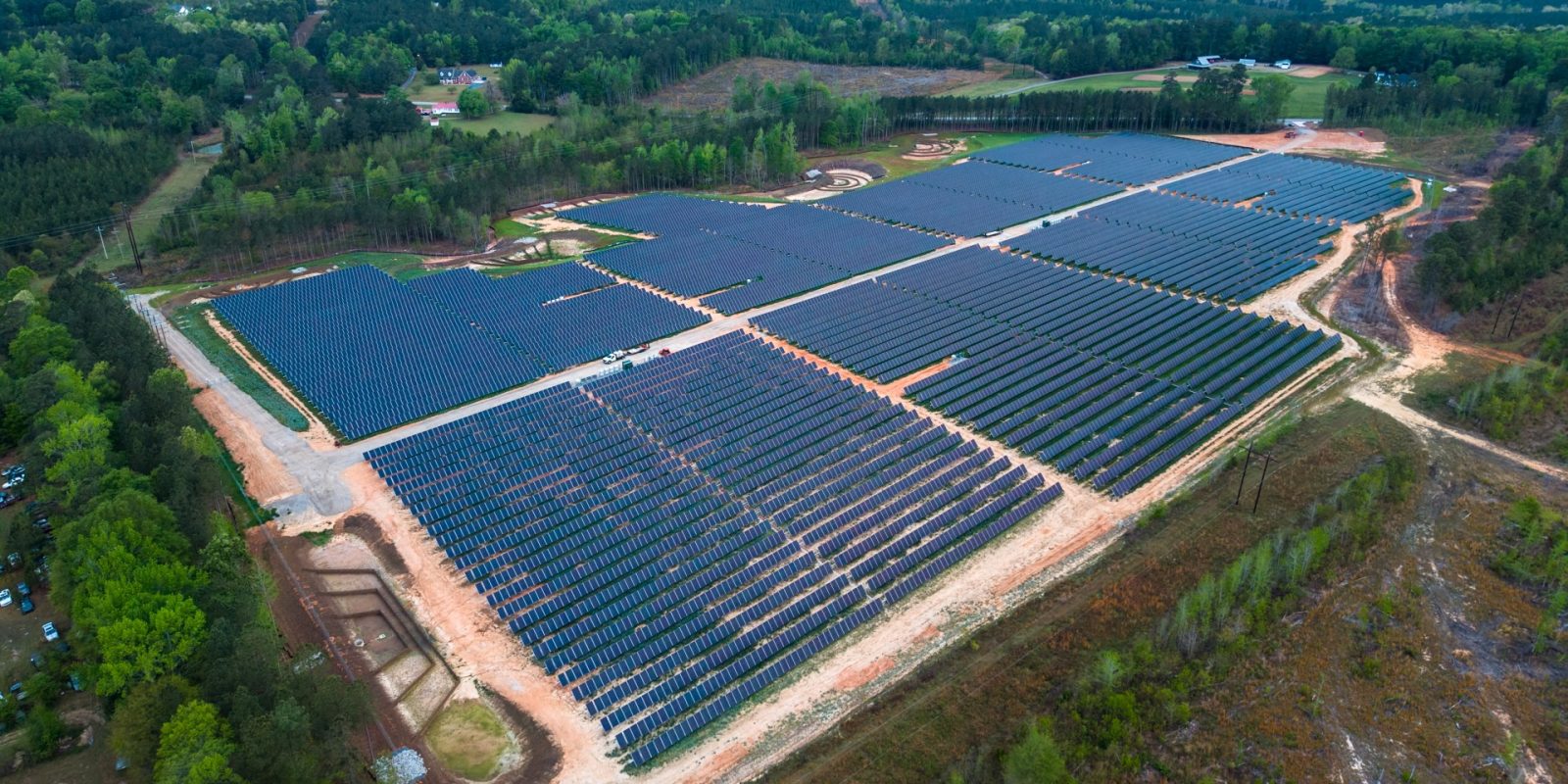
In an era where renewable energy projects are frequently crushed by the weight of bureaucratic red tape and fluctuating interest rates, a small solar farm in North Carolina was standing on the precipice of total collapse. However, a shocking intervention by a powerful group of Microsoft suppliers has sent shockwaves through the energy sector. This is not just a story about electricity; it is a masterclass in corporate survival and environmental dominance that proves when tech giants move, the world shifts. For months, the North Carolina project sat in limbo. Investors were jittery, and the local community began to lose hope that the promised green energy would ever hit the grid. Just as the project was about to be officially scrapped, a coalition of corporate giants stepped in. This alliance, comprised of key players within Microsoft’s extensive supply chain, did not just provide funding—they provided a lifeline that could change the future of how we power the planet forever.
Why Small Solar Farms Are Facing a Sudden Death Sentence
The energy industry is currently witnessing a brutal culling that many experts call the ‘green extinction.’ While massive utility-scale projects often secure the funding they need through traditional banking channels, smaller, localized solar farms are being pushed out of the market. High interconnection costs and the sheer volatility of the global economy have created a ‘death zone’ for projects that are not backed by trillion-dollar balance sheets. In North Carolina, the stakes could not have been higher. Had this farm failed, it would have served as a chilling warning to other developers that the solar dream is only for the ultra-wealthy. Industry insiders suggest that the stalling of this North Carolina farm was a symptom of a much larger disease: the lack of collective action among mid-sized corporate buyers. Until now, most companies acted alone, competing for the same limited pool of renewable energy credits. By banding together, these Microsoft suppliers have unlocked a new strategy that bypasses traditional financing roadblocks. This ‘buy-in-bulk’ approach to sustainability is more than just savvy business; it is a full-scale revolution against the status quo.
The New Blueprint for Corporate Renewable Energy Dominance
What makes this story truly viral is the unprecedented level of cooperation across the supply chain. Microsoft has long been a leader in environmental transparency, but seeing their suppliers take the initiative shows a cultural shift that should terrify the fossil fuel industry. These companies are no longer waiting for instructions from the top; they are actively scouting for ‘stalled’ projects to resurrect with cold, hard cash. This proactive stance ensures that they hit their carbon-neutral goals while simultaneously securing energy independence in an increasingly unstable market. The implications of this rescue are staggering. If every major tech giant encouraged its supply chain to adopt this model, we could see thousands of ‘zombie’ energy projects brought back to life within the next decade. You can explore more about the technical specifications of these solar energy initiatives and how they integrate into the national grid. The rescue of the North Carolina farm is just the beginning. It serves as a loud, clear message: the tech world is not just participating in the energy transition—it is hijacking the driver’s seat. As we look toward the future, the success of this project will likely be cited as the moment the ‘Aggregation Model’ went mainstream. No longer will small farms have to beg for scraps from big banks. Instead, they can look toward the supply chains of the world’s most valuable companies for salvation. The North Carolina miracle is a blueprint for survival in an age where green energy is no longer a luxury, but a requirement for staying in business. The world is watching, and the message is clear: adapt, band together, or be left in the dark.