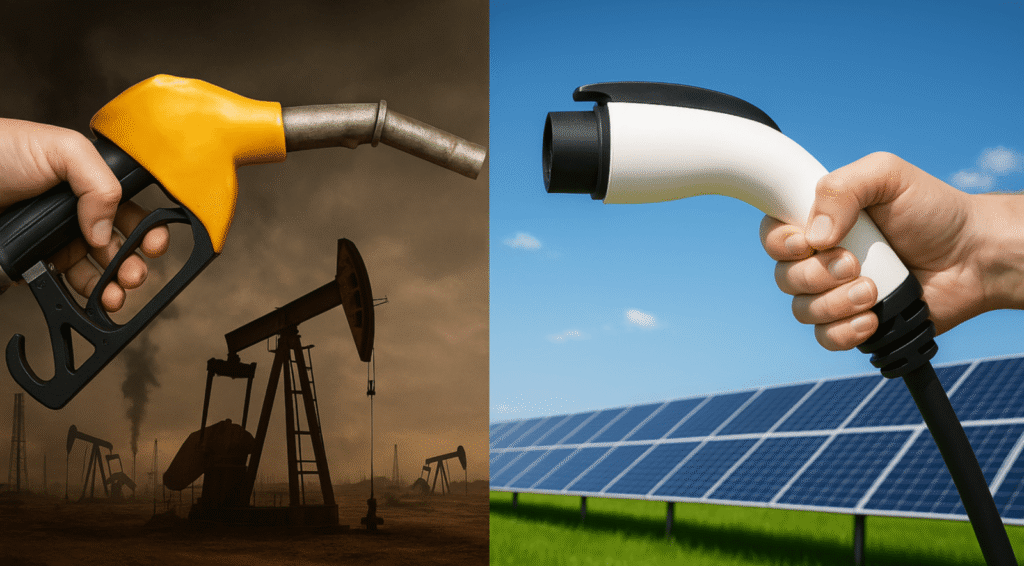
The global economy is currently locked in a volatile dance that is leaving the average commuter with empty pockets and rising frustration. As the price of gasoline continues its relentless ascent, matching the skyrocketing costs of brand-new vehicles, a new opportunity has emerged in the shadows of the automotive market. Off-lease electric vehicles (EVs) are flooding dealer lots at prices that seem almost too good to be true. For the first time, the dream of silent, gas-free driving is becoming an affordable reality for the masses. However, this gold rush comes with a set of unique challenges that every savvy shopper must understand before they sign on the dotted line. To the uninformed, a used EV is a gamble; to the educated buyer, it is the greatest financial hack of the modern era.
Why Used EVs are the Financial Hack of the Decade
We are witnessing a unique convergence in the automotive industry that favors the patient consumer. A few years ago, early adopters and corporate fleets leased the first wave of modern long-range EVs. Those three-year leases are now expiring simultaneously, resulting in a massive influx of high-quality, low-mileage vehicles hitting the secondary market. Because the technology in the EV sector moves at lightning speed, these older models depreciate significantly faster than their internal combustion engine (ICE) counterparts, offering a massive discount to the second owner. This rapid depreciation is a nightmare for original buyers who paid full MSRP but a dream come true for the used car hunter looking to escape the cycle of rising fuel costs.
But the savings go far beyond the initial sticker price. When you factor in the reduced maintenance costs—no oil changes, no spark plugs, no timing belts, and significantly fewer moving parts—the total cost of ownership for a used EV often beats a budget-tier gas car within the first year of ownership. In an era where every cent counts, switching to electric is no longer just a lifestyle choice or an environmental statement; it is a calculated financial maneuver designed to insulate your household from the whims of international oil markets and unpredictable refinery maintenance cycles. The era of the five-dollar gallon of gas is here, but for EV owners, that is a problem of the past.
The Battery Myth: What You Really Need to Know
The single biggest fear holding back potential buyers is the dreaded battery replacement. Sensationalist headlines often suggest that an EV battery will simply die after a few years, leaving the owner with a five-figure repair bill. The reality, backed by years of empirical data from millions of vehicles on the road, is much more encouraging. Modern lithium-ion batteries are designed with sophisticated thermal management systems—using liquid cooling and heating—to protect the cells from extreme wear and environmental stress. Most batteries are projected to outlast the chassis of the car itself, with only minimal degradation in range over time. For example, many high-mileage electric cars still retain over 90 percent of their original capacity after 100,000 miles of driving.
When inspecting a used EV, it is crucial to ask for a State of Health (SOH) report. This digital diagnostic provides a clear percentage of the battery’s remaining capacity compared to when it was new. Even a battery at 85 percent health is more than sufficient for the vast majority of daily commutes, which typically average less than 40 miles. Furthermore, many manufacturers provide separate battery warranties that last 8 years or 100,000 miles, many of which are fully transferable to subsequent owners. This provides a safety net that most gas-powered cars simply cannot match, as traditional powertrain warranties rarely cover the fuel system to such an extent or for such a long duration. Don’t let the myths keep you tethered to the gas pump when the data suggests the battery is the least of your worries.
Navigating Warranties and Hidden Savings
Beyond the mechanical health of the vehicle, the financial landscape of buying a used EV is filled with hidden incentives and tactical advantages. Did you know that under current federal regulations, many used EVs qualify for a federal tax credit of up to $4,000? This incentive, combined with state-level rebates and utility company credits for installing home chargers, can drive the effective price of a used Tesla Model 3 or Chevy Bolt into the low teens. You can find more details on current incentives at Energy.gov to ensure you are maximizing your return on investment. This tax credit can even be applied at the point of sale in many dealerships, acting as an immediate down payment that reduces your monthly financing costs.
- Always verify the transferability of the powertrain and battery warranty with the original manufacturer to ensure you are protected.
- Check the charging port for physical wear, debris, or signs of overheating from frequent fast-charging sessions.
- Review the vehicle history report to ensure no major accidents have compromised the structural integrity of the battery casing under the car.
- Test drive the car to feel for the regenerative braking strength, which is a key indicator of drive motor health and system efficiency.
- Inquire if the vehicle has received all the latest over-the-air software updates, which can often improve range, thermal management, and charging speeds.
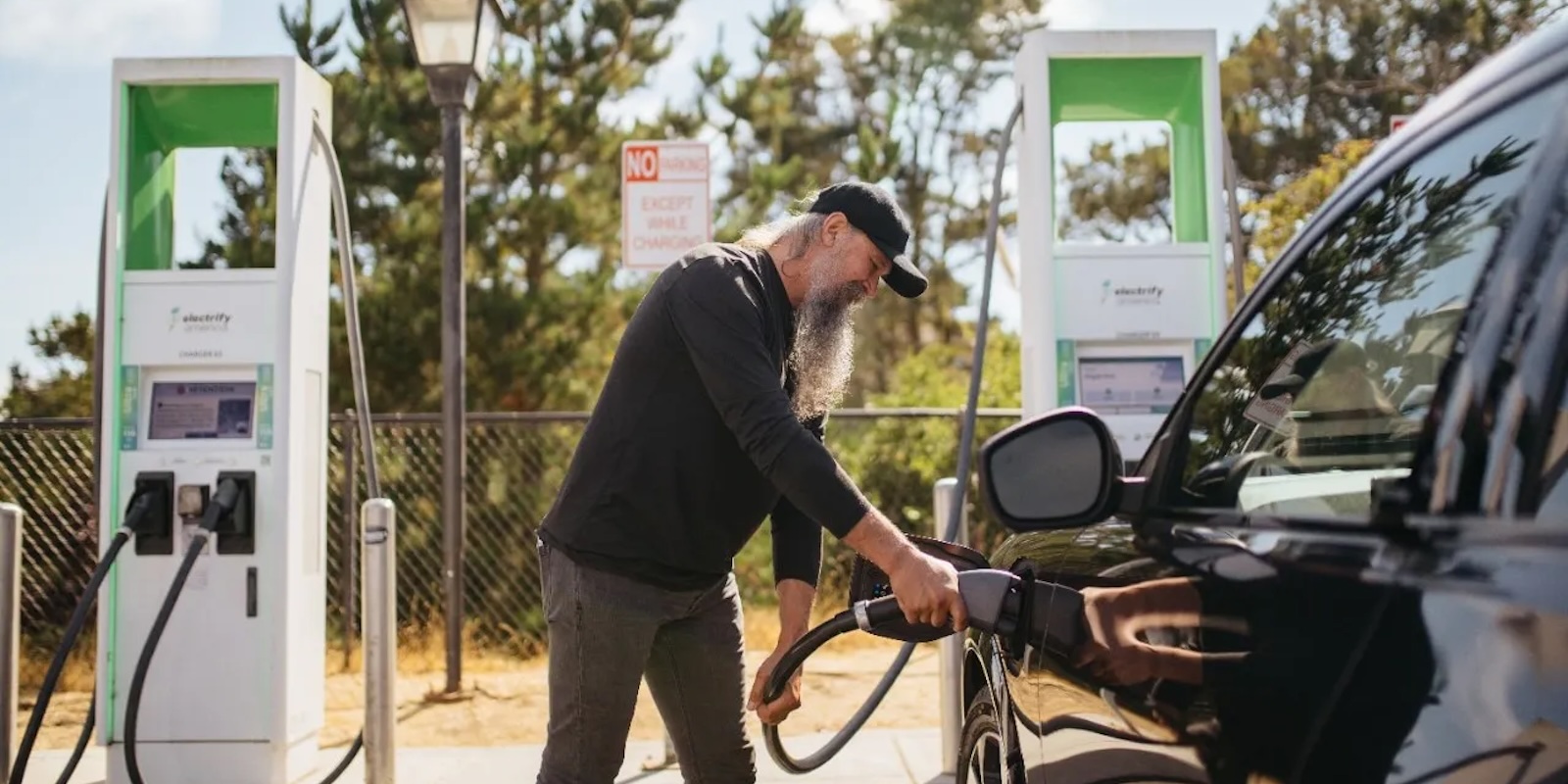
Ownership of a used EV requires a slight shift in mindset, particularly regarding charging infrastructure and daily routines. While ‘range anxiety’ is a common term used to scare off buyers, most owners find that plugging in at home overnight becomes as second nature as charging a smartphone. For those who cannot charge at home, the rapidly expanding network of public fast chargers is making EV ownership viable even for apartment dwellers in major urban centers. By doing your due diligence now, you can capitalize on a market shift that is rewarding the brave and the informed with the cheapest transportation since the invention of the automobile. The window for these extreme deals is closing as more people realize the secret—the time to act is now before the used EV market catches up to the high demand for gas-free living.