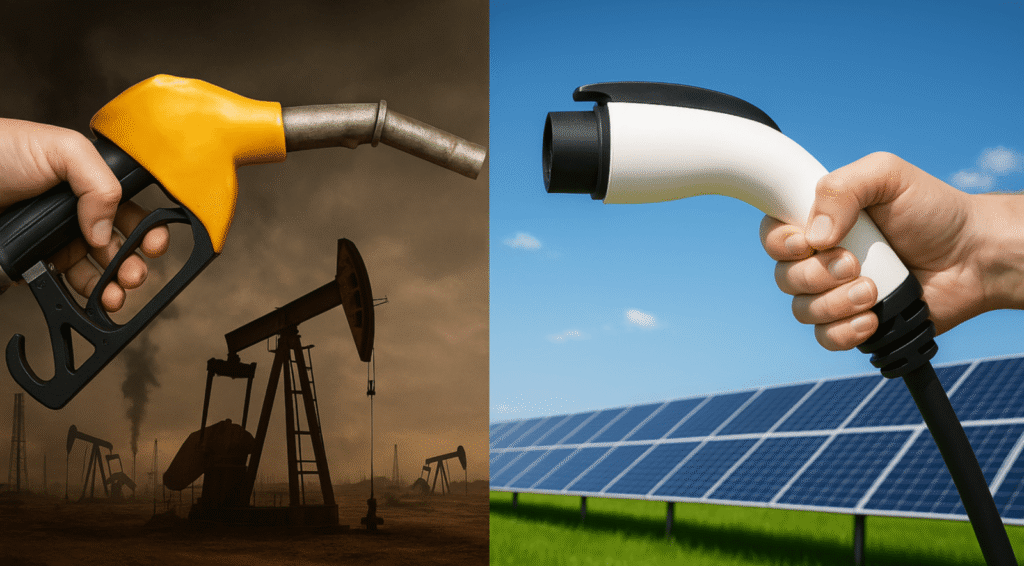
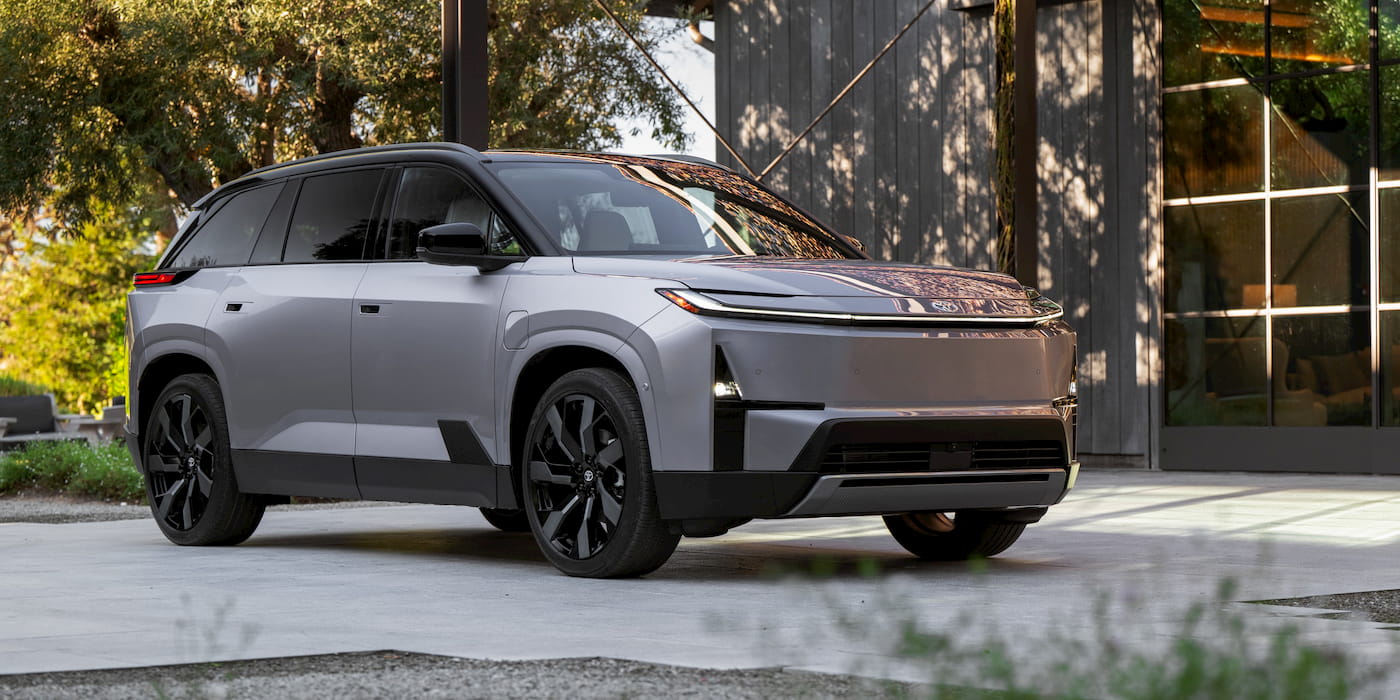
The electric vehicle revolution just hit a massive, unexpected speed bump, and the culprit is none other than the world’s largest automaker. In a move that has sent shockwaves through the automotive industry, Toyota has officially delayed production of its highly anticipated three-row electric SUV, the 2027 Highlander BEV. This sudden retreat from the all-electric future is sending a clear message: the EV transition is not going according to plan.
The Sudden U-Turn: Why Toyota is Backing Away from EVs
For years, critics accused Toyota of dragging its feet on electrification. While competitors like Tesla, Hyundai, and Ford rushed headfirst into the electric future, the Japanese giant remained cautious, championing hybrids instead. Just as it seemed Toyota was finally ready to go all-in with the launch of its spacious, family-friendly Highlander BEV, executives have pulled the emergency brake. Instead of ramping up assembly lines for the plug-in future, Toyota is extending the lifespans of its current gas and hybrid Highlander models.
This stunning reversal has left environmental advocates outraged and market analysts scrambling for answers. Why would a company with such immense resources halt its flagship electric project? According to industry insiders, the decision boils down to cold, hard cash and shifting consumer demand. The initial gold rush for battery electric vehicles (BEVs) has cooled significantly, leaving dealership lots bloated with unsold electric inventory across North America and Europe. Toyota, notorious for its hyper-efficient manufacturing decisions, simply refuses to build cars that the average consumer is not yet ready to buy.
The Hybrid Boom vs. The EV Bust
While pure electric vehicles struggle to find mainstream buyers due to range anxiety, high price tags, and inadequate charging infrastructure, hybrids are flying off the shelves. Toyota’s legendary hybrid synergy drive is currently experiencing a massive renaissance. Consumers want fuel efficiency, but they aren’t quite ready to cut the cord to gasoline entirely. By extending the life of the gas-powered and hybrid Highlander variants, Toyota is giving the market exactly what it wants—even if it means delaying its carbon-neutral promises.
This tactical retreat represents a pragmatic approach to a turbulent market. Toyota isn’t giving up on electric vehicles entirely, but they are refusing to bleed money on a market segment that is experiencing a painful plateau. They are letting their highly profitable hybrid fleet fund the slower transition, rather than forcing expensive EVs down consumers’ throats before the infrastructure is ready to support them.
What This Means for the Future of Family SUVs
So, what does this mean for families hoping to purchase a zero-emission three-row SUV? For now, your options remain severely limited. The delay of the Highlander BEV means that those wanting a spacious, eco-friendly hauler will have to look elsewhere or settle for a hybrid. You can read more about Toyota’s electrification strategy and their upcoming vehicle pipeline to see how this shift impacts other models.
Industry experts warn that Toyota’s delay could trigger a massive domino effect. If the undisputed king of global manufacturing is stepping back, other legacy automakers might soon follow suit, delaying their own aggressive EV targets to protect their bottom lines. The transition was always going to be difficult, but this latest development confirms that the timeline is slipping.
- Extended Lifespan: Gas and hybrid Highlanders will remain in production longer than originally planned to satisfy immediate demand.
- Market Realities: Slower-than-expected EV adoption rates are forcing global automakers to reconsider aggressive timelines.
- Financial Safeguards: Highly profitable hybrid systems continue to be Toyota’s primary revenue engine during this transitional phase.
Ultimately, Toyota’s dramatic pause on the Highlander EV proves that the transition to a fully electric world is not going to be a smooth, linear ride. It is a bumpy, unpredictable journey where consumer preference, not corporate ambition, reigns supreme. Whether this delay is a stroke of financial genius or a catastrophic misstep that will allow rivals to pull ahead remains to be seen. But one thing is certain: the internal combustion engine is not dead yet.