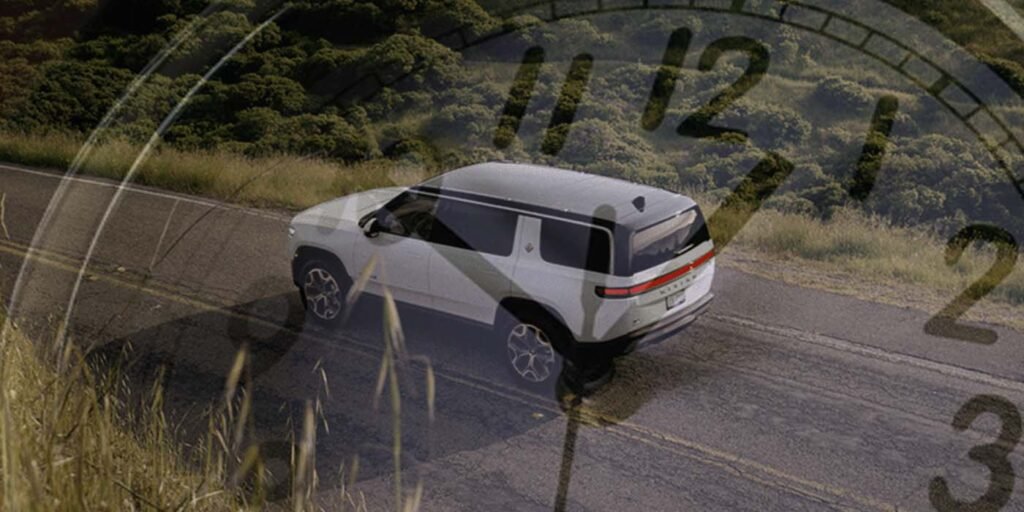
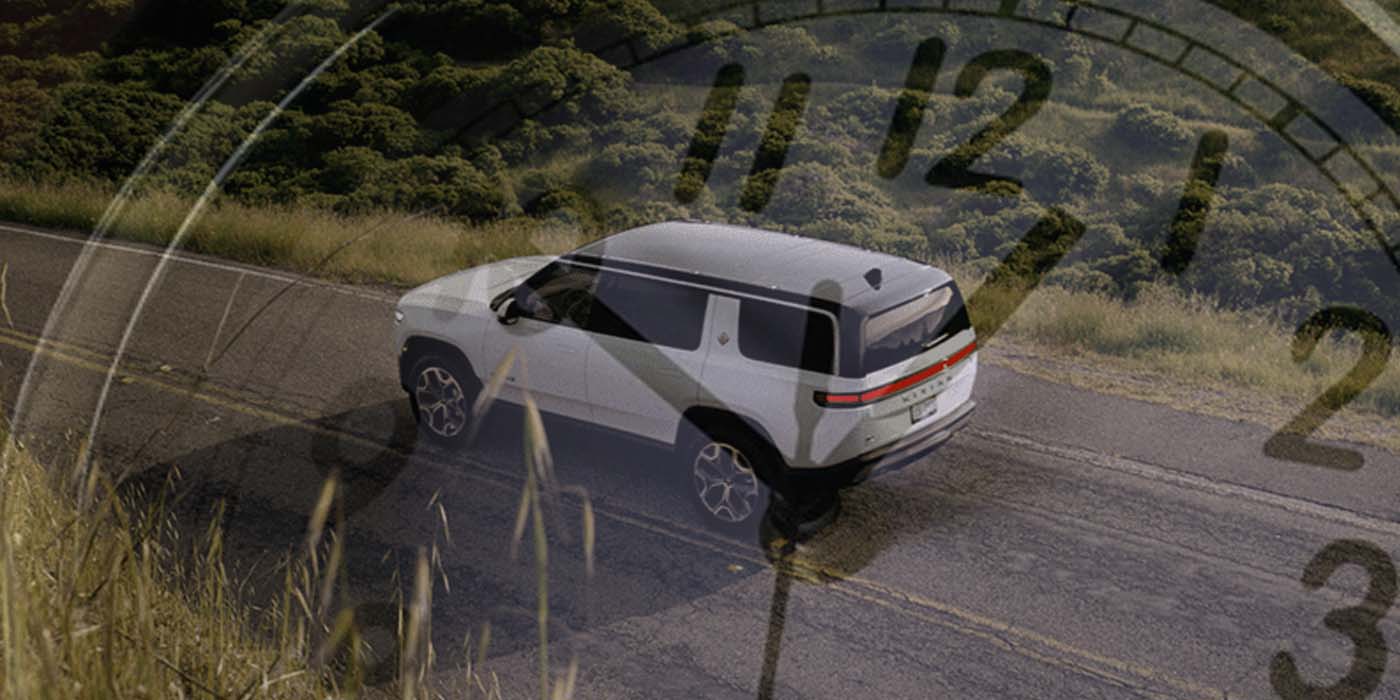
Rivian Discontinues R1S Standard Trim, Signals Shift Towards Refined EV Lineup
Rivian, the pioneering American electric vehicle manufacturer, has announced a significant strategic adjustment to its R1S SUV lineup, confirming the discontinuation of its most accessible variant, the Standard trim. This move, communicated to subscribers via email, signifies a deliberate pivot by the company towards a more curated and potentially premium offering within its electric vehicle (EV) portfolio. While the end of the Standard trim is imminent, Rivian asserts that this decision is not merely about phasing out a model but is a foundational step in preparing for an evolved and refined lineup of electric vehicles. The company also hints at the imminent arrival of its R2 model, suggesting a broader expansion and diversification of its EV offerings in the near future.
Strategic Realignment and the Future of Rivian’s Electric Vehicles
The decision to sunset the R1S Standard trim, which represented the most affordable entry point into Rivian’s luxury electric SUV segment, indicates a strategic realignment by the automaker. This move is likely aimed at optimizing production, enhancing profitability, and focusing resources on models that align with the company’s long-term vision. For consumers interested in Electric Vehicles, this could mean a shift in the perceived value proposition of the R1S. While the departure of the Standard trim removes the lowest price option, it may also lead to a streamlined R1S configuration that offers a more cohesive and perhaps enhanced ownership experience. This strategic recalibration is a common practice for automotive manufacturers as they mature and seek to solidify their brand identity and market position. By concentrating on fewer, potentially higher-margin configurations, Rivian can dedicate more engineering and marketing efforts to perfecting its core Electric Vehicle technology and customer experience. The emphasis on a “refined lineup” suggests a commitment to delivering top-tier performance, advanced features, and superior build quality across its remaining Electric Vehicles.
Furthermore, this strategic maneuver by Rivian should be viewed within the broader context of the rapidly evolving Electric Vehicle market. As the industry matures, competition intensifies, and consumer expectations rise, manufacturers are compelled to adapt. The discontinuation of a base model can allow a company to concentrate its research and development efforts on enhancing battery technology, improving charging infrastructure compatibility, and integrating cutting-edge EV tech. This focus is crucial for maintaining a competitive edge and staying at the forefront of innovation in Electric Vehicles. The company’s mention of the R2’s impending arrival also plays a crucial role in this narrative. The R2 is anticipated to be a smaller, more affordable offering, potentially targeting a different segment of the EV market. The phasing out of the R1S Standard trim could be a strategic move to avoid cannibalizing sales of the R2 and to ensure that each model serves a distinct purpose and customer base within Rivian’s expanding Electric Vehicle ecosystem. This careful planning is essential for sustainable growth in the Electric Vehicles sector.
Implications for the Electric Vehicle Market and Consumer Choice
The discontinuation of the R1S Standard trim has several implications for both the Electric Vehicle market and consumer choice. For potential buyers, it means the entry-level price for a Rivian R1S will undoubtedly increase. This could make the brand less accessible to a segment of the market that was drawn to the R1S’s initial affordability. However, it also suggests that Rivian is confident in the appeal of its higher-spec models and the overall value proposition of its Electric Vehicles. The focus on a “refined lineup” could also signal an emphasis on enhanced performance, longer range, or more advanced driver-assistance systems in the remaining R1S configurations. This aligns with the overall trend in the EV Tech space, where innovation continues to push boundaries.
For the broader Electric Vehicle industry, Rivian’s decision highlights the dynamic nature of product planning and market strategy. It underscores the importance of adaptability in response to production costs, supply chain efficiencies, and shifting consumer demand. As more consumers embrace Electric Vehicles, manufacturers are constantly evaluating their product portfolios to optimize profitability and market share. The success of this strategy will likely depend on Rivian’s ability to effectively communicate the value of its remaining R1S trims and to successfully launch and position the upcoming R2 model as a compelling alternative for a different set of EV buyers. The ongoing advancements in EV Tech and the increasing demand for sustainable transportation solutions mean that companies like Rivian must continually innovate and strategically position their offerings to capture a significant share of this burgeoning market.