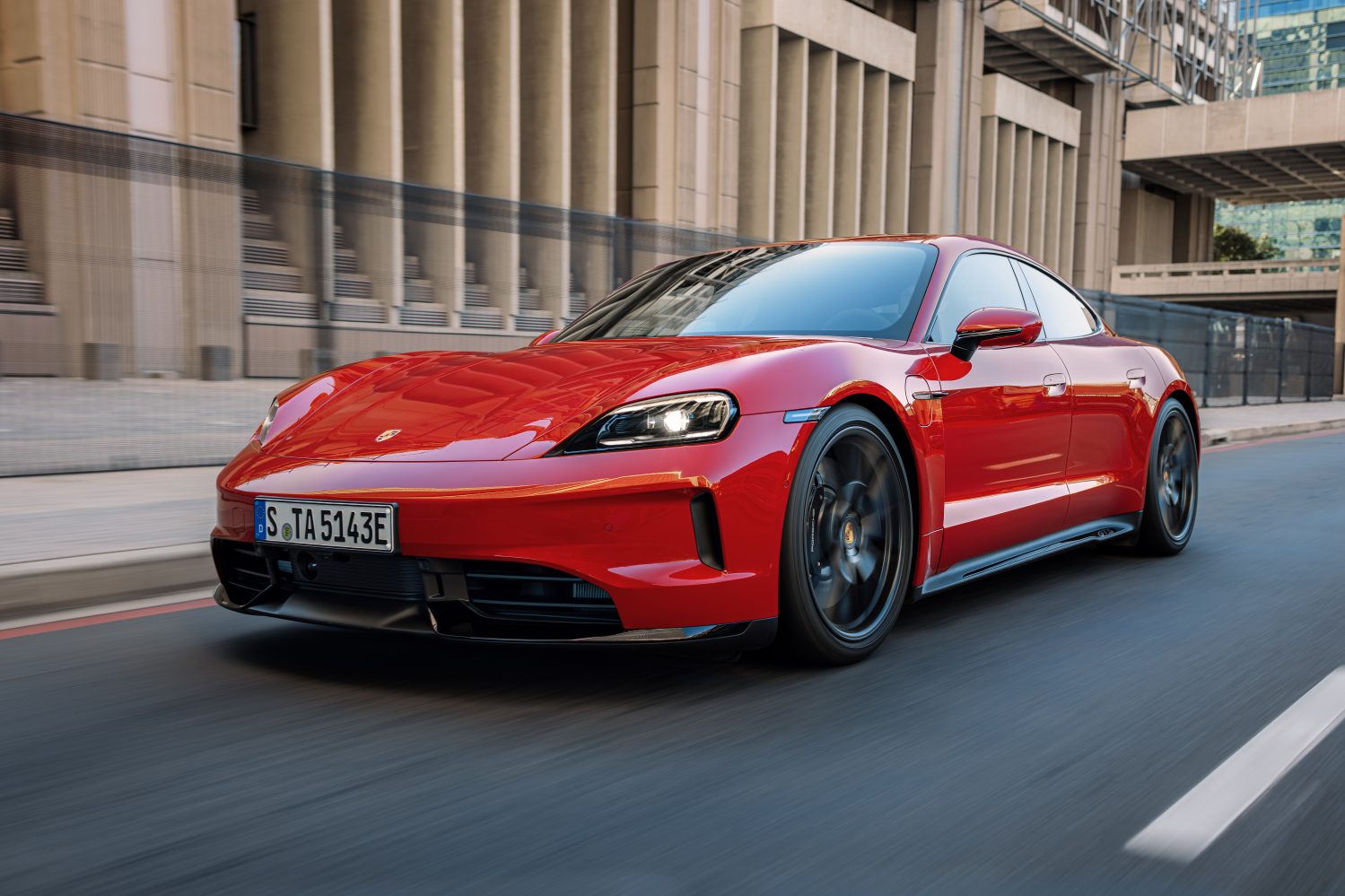
Porsche has officially sent shockwaves through the automotive world by revealing its highly anticipated 2027 electric sportscar lineup. While the German luxury automaker has promised massive performance gains, improved battery efficiency, and lightning-fast charging times, there is one massive catch. Tucked deep inside the optional features catalog is a brand-new upgrade that has left both automotive journalists and die-hard Porsche purists utterly speechless. It is a feature so baffling, so incredibly unnecessary, that many are wondering if the engineers in Stuttgart have finally lost their minds.
The Shocking Evolution of Porsche’s Flagship Electric Sportscar
For years, Porsche has dominated the premium electric vehicle segment, proving that an EV can deliver the same gut-wrenching performance and precise handling as its legendary gas-powered predecessors. The upcoming 2027 Porsche EV update aims to solidify this legacy. Reports indicate that the new model year will introduce state-of-the-art silicon-carbide inverters, a refined thermal management system, and an even sleeker aerodynamic profile. Drivers can expect faster zero-to-sixty times and a significant boost in highway range, putting it in direct competition with rivals like the Tesla Model S Plaid and the Lucid Air.
However, the conversation surrounding this phenomenal electric machine has been completely hijacked. Instead of celebrating the engineering breakthroughs in battery density or the gorgeous new interior layout, the entire internet is obsessed with a single optional feature. According to early insider reports, Porsche is introducing a highly controversial option designed to appeal to old-school combustion enthusiasts—but in the most ridiculous way possible.
Inside the Bizarre Upgrade Nobody Asked For
What is this mysterious option that has sparked absolute outrage? It is none other than a simulated mechanical feedback and auditory package designed to make this cutting-edge EV mimic a noisy, vibrating gasoline car from the 1990s. Yes, you read that correctly. For an astronomical premium, buyers can opt to have their silent, smooth electric sportscar artificially rumble, shake, and emit synthesized exhaust notes inside and outside the cabin. The system allegedly includes simulated gear-shift jolts that temporarily interrupt power delivery to mimic an old-school dual-clutch transmission.
Why anyone would pay thousands of dollars to deliberately make their state-of-the-art electric vehicle slower, noisier, and less efficient is a mystery that has left experts scratching their heads. The beauty of an EV lies in its seamless, uninterrupted torque and serene cabin experience. Introducing artificial lag and fake engine roars feels like a desperate step backward rather than a leap forward into the future of luxury transportation.
Why Drivers Are Outraged Over This Premium Gimmick
This baffling move highlights a growing, frustrating trend in the luxury automotive space. Manufacturers are increasingly desperate to monetize nostalgia, often at the expense of genuine innovation. Critics argue that instead of wasting valuable research and development resources on fake exhaust systems and artificial vibrations, Porsche should focus on further driving down charging times and making their electric platform more accessible. For a detailed look at the original industry scoop, check out the coverage on Electrek, where experts continue to debate the necessity of these bizarre EV gimmicks.
Ultimately, the 2027 Porsche EV update is shaping up to be an engineering masterpiece, ruined only by the optional inclusion of this bizarre feature. Whether consumers will actually shell out their hard-earned money for a simulated gasoline experience remains to be seen. One thing is certain: the debate over EV soul and artificial noise is far from over, and Porsche has just poured high-octane fuel on the fire.