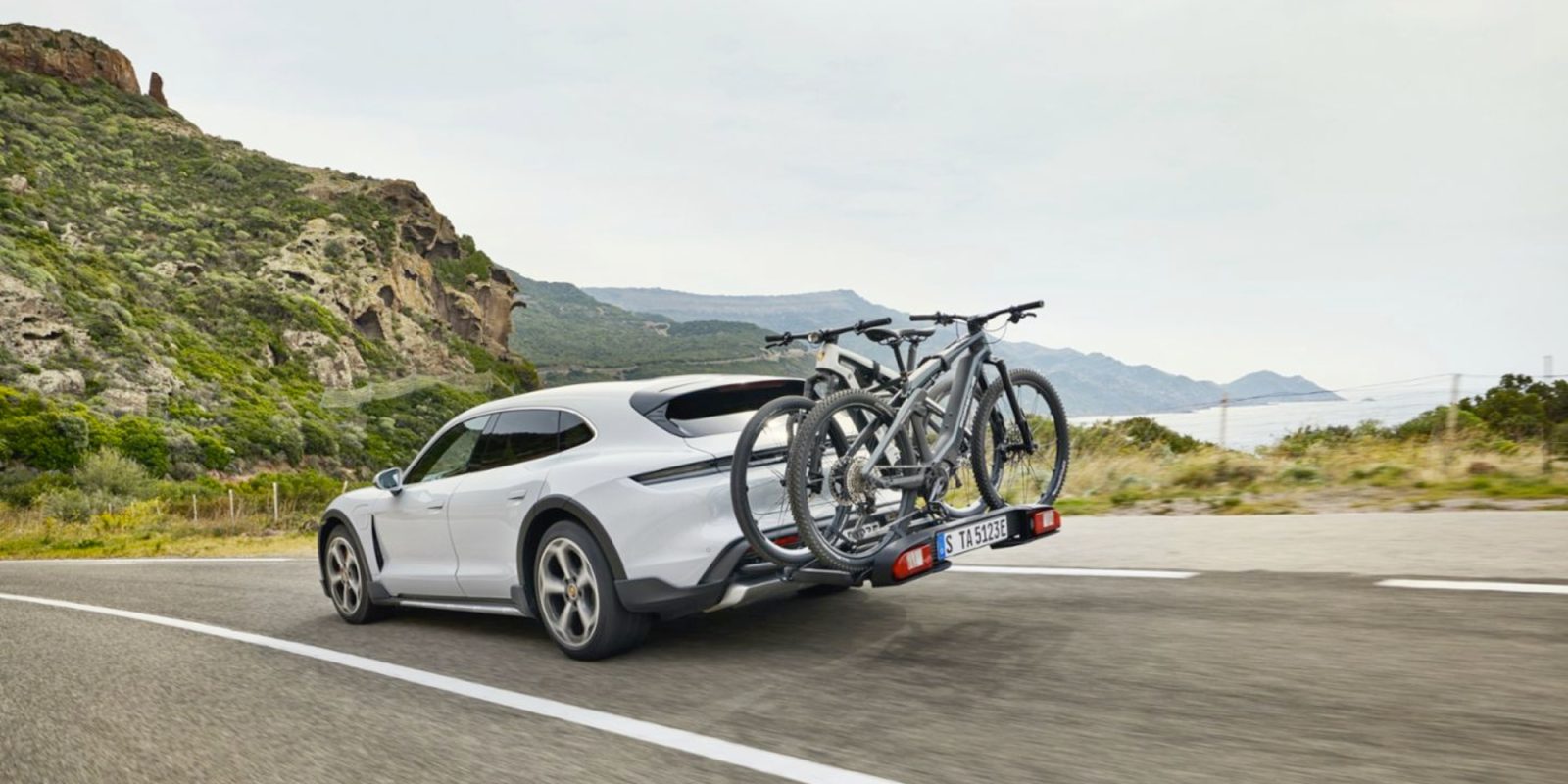
Porsche, the legendary manufacturer of the 911 and the trailblazing Taycan, is sending shockwaves through the tech and transportation industries with a bombshell announcement. The German automotive giant is officially pulling the plug on its highly publicized electric bicycle motor division. This stunning retreat marks a massive shift in the company’s long-term strategy, effectively ending its attempt to dominate the premium two-wheeled market. For fans of the brand who expected a Porsche-powered future for urban commuting, the dream has been abruptly cut short.
The fallout from this decision is immediate and severe. Hundreds of specialized positions are being eliminated as Porsche shutters the facilities that were once touted as the future of the brand’s ‘last-mile’ mobility. This move isn’t just a minor correction; it is a full-scale abandonment of a vision that many thought would redefine the high-end electric bike market. As the global economy faces mounting uncertainty, it seems even a powerhouse like Porsche is not immune to the pressures of downsizing and corporate refocusing.
The End of the Porsche E-Bike Dream?
For several years, Porsche appeared to be on an unstoppable path toward conquering the e-bike world. Through the strategic acquisition of companies like Fazua and Greyp, the Stuttgart-based automaker signaled that it wanted more than just a presence in the market—it wanted to be the benchmark for performance, just as it is on the asphalt. The goal was to develop in-house drivetrain technology that would rival giants like Bosch and Shimano. However, the reality of the manufacturing process and the sheer complexity of e-bike motor development have proven to be a bridge too far.
The decision to halt production and cut jobs comes as a bitter pill for those who believed in the synergy between electric cars and electric bikes. Porsche leadership has indicated that the company will now refocus its resources on its core sports car business, which remains the primary driver of its legendary profit margins. This pivot suggests that the high costs associated with competing in the micro-mobility sector were simply no longer justifiable in the eyes of shareholders and board members. The ‘green revolution’ at Porsche is being streamlined, and unfortunately, the e-bike division is the first major casualty.
A Sudden U-Turn in Corporate Strategy
This news signals a significant change in how legacy automakers view the broader mobility landscape. For nearly a decade, the industry buzzword was ‘diversification.’ Every major car company wanted to be more than just a car maker; they wanted to provide the entire ecosystem of transport. Porsche’s retreat from e-bike motors is a clear indicator that the tide is turning. Analysts suggest that the high-margin world of luxury sports cars is where Porsche feels most secure, and the ‘distractions’ of the electric bicycle market are being tossed aside to ensure the company’s fiscal health during a turbulent era for the automotive industry.
According to reports from industry insiders at Electrek, this move may be the first of many such retreats across the sector. As the ‘EV fever’ of the early 2020s begins to cool and consumers become more discerning about where they spend their luxury dollars, companies are being forced to choose their battles more carefully. For Porsche, the battle for the bike lane is officially over.
What This Means for the Electric Vehicle Market
The implications of this shutdown are far-reaching. It raises serious questions about the viability of car brands branching out into smaller electric vehicles. If a brand with the engineering pedigree and financial muscle of Porsche cannot make a proprietary e-bike motor division work, what does that say for others? The cycling world loses a major innovator, and the job market loses hundreds of high-tech positions that were part of Germany’s green energy transition. The ripples of this decision will likely be felt for years to come, as other manufacturers take a hard look at their own experimental divisions.
Ultimately, this is a story of a brand returning to its roots. While the technological cross-pollination between the Taycan and an e-bike motor sounded perfect on paper, the market has spoken. Porsche is a sports car company first, and for now, it seems it will remain that way. The hundreds of workers left without jobs are a stark reminder of the risks involved in corporate expansion, and the empty e-bike development labs stand as a monument to a vision that never quite reached the finish line.