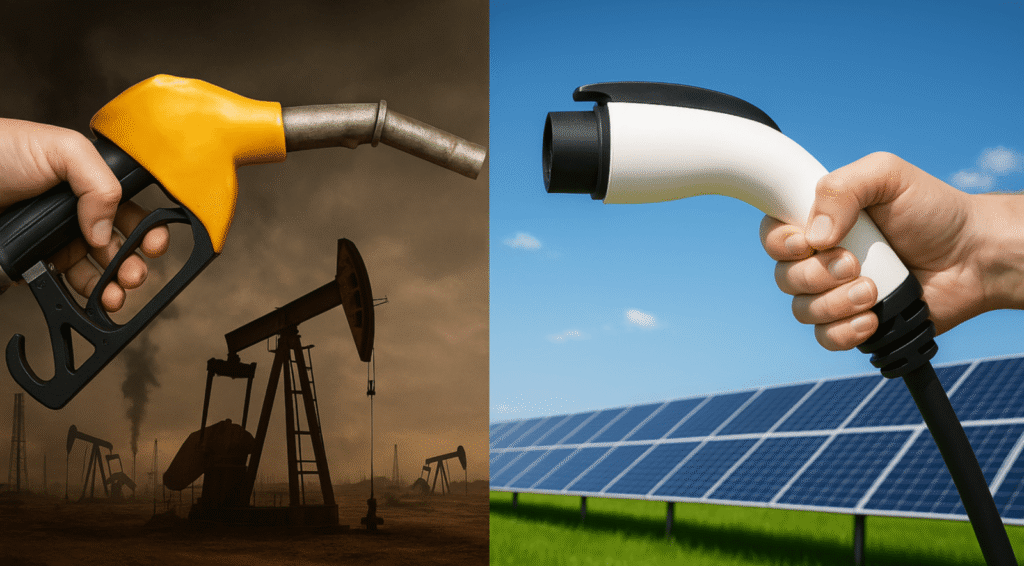

A quiet panic is sweeping across the global economy, and the traditional fuel landscape is crumbling faster than anyone predicted. We are witnessing an unprecedented, double-pronged energy migration that is shaking the foundations of both commercial commerce and residential living. As geopolitical tensions boil over and the highly anticipated oil crunch squeezes corporate profits to the breaking point, the race is officially on. No one wants to be left holding an empty, overpriced fuel nozzle when the music stops.
The Great Energy Gridlock: Why Millions Are Scrambling to Go Green Before It Is Too Late
For decades, the standard playbook for commercial shipping, localized logistics, and long-haul transport relied heavily on diesel and gasoline. However, that era of predictability has vanished overnight. With fuel prices skyrocketing and supply chains fractured by a devastating oil crunch, companies have realized that maintaining internal combustion engine fleets is nothing short of financial suicide. The era of the commercial vehicle transition is no longer a futuristic goal—it has turned into an aggressive, desperate bid for operational survival.
Simultaneously, a parallel panic is unfolding in suburbs across the nation. Average homeowners, terrified of skyrocketing monthly utility bills and the looming threat of rolling blackouts, are looking to the skies for salvation. But their window of opportunity is closing fast. A massive regulatory deadline is hovering like a dark cloud: the highly sought-after 30% solar tax credit is set to drastically change, forcing a mad, frantic rush to install solar infrastructure before the July 4th holiday cutoff.
The Death of Diesel: Inside the Mad Rush for EV Fleet Electrification
The numbers do not lie, and the corporate scramble to secure electric logistics assets is reaching a fever pitch. According to the latest viral industry updates covered on the Quick Charge daily broadcast, multi-million dollar shipping conglomerates and local delivery fleets alike are liquidating their legacy gas-guzzlers at a loss. In their place, heavy-duty electric trucks, such as the highly anticipated Chevrolet Silverado EV, are being snatched up the moment they roll off the assembly lines. This is not just an eco-friendly PR stunt; it is pure, calculated self-preservation.
As commercial EV adoption accelerates, grid operators are working overtime to meet the soaring demand. Companies that delay their fleet electrification strategy are finding themselves locked out of vital infrastructure contracts, unable to secure the power allocations necessary to charge hundreds of commercial delivery vans overnight. This has created a secondary gold rush for charging infrastructure, turning warehouse parking lots into high-voltage battlegrounds. The message is loud and clear: adapt to the electric revolution today, or watch your logistics business vanish tomorrow.
The July 4th Doomsday: Why Homeowners Are Desperately Chasing the 30% Solar Tax Credit
While massive corporations fight over charging grid allocations, everyday citizens are waging their own quiet war against the electric monopolies. The catalyst? A rapidly approaching Independence Day deadline that could cost unprepared homeowners thousands of dollars in lost tax incentives. The federal government’s lucrative 30% solar tax credit, which has saved countless families from financial ruin, is facing a major policy shift on July 4th. This has triggered an unprecedented bottleneck in the residential solar installation industry.
Solar contractors nationwide are reporting historical backlogs, with desperate homeowners offering cash premiums just to get panels secured on their roofs before the holiday deadline. The fear of missing out is palpable. Those who fail to act in time will not only lose out on massive tax write-offs, but they will also remain at the mercy of volatile municipal power grids that continue to raise rates without warning. It is a high-stakes game of financial musical chairs, and the music is about to stop. Will you be left in the dark, or will you secure your energy independence before the deadline strikes?