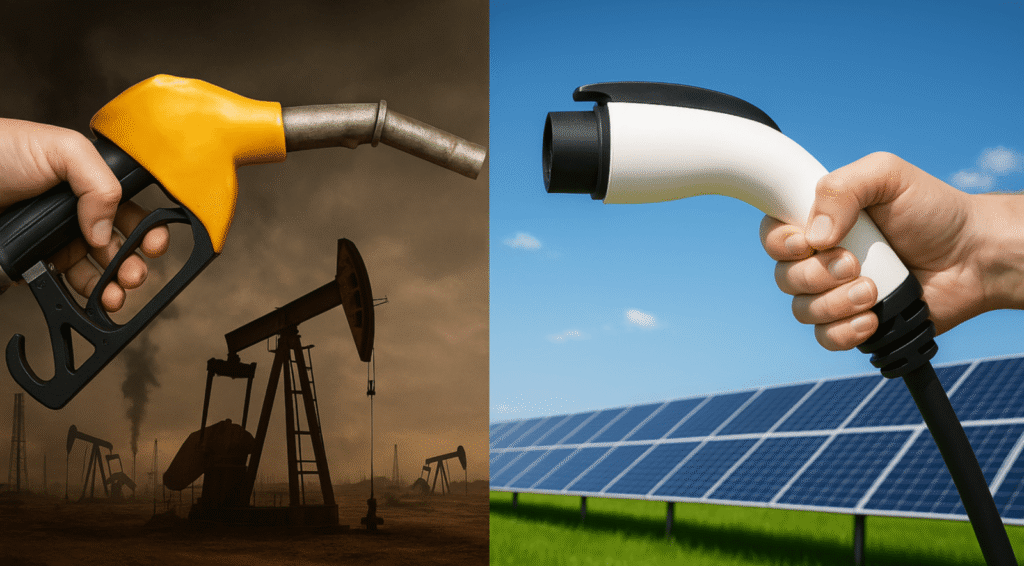
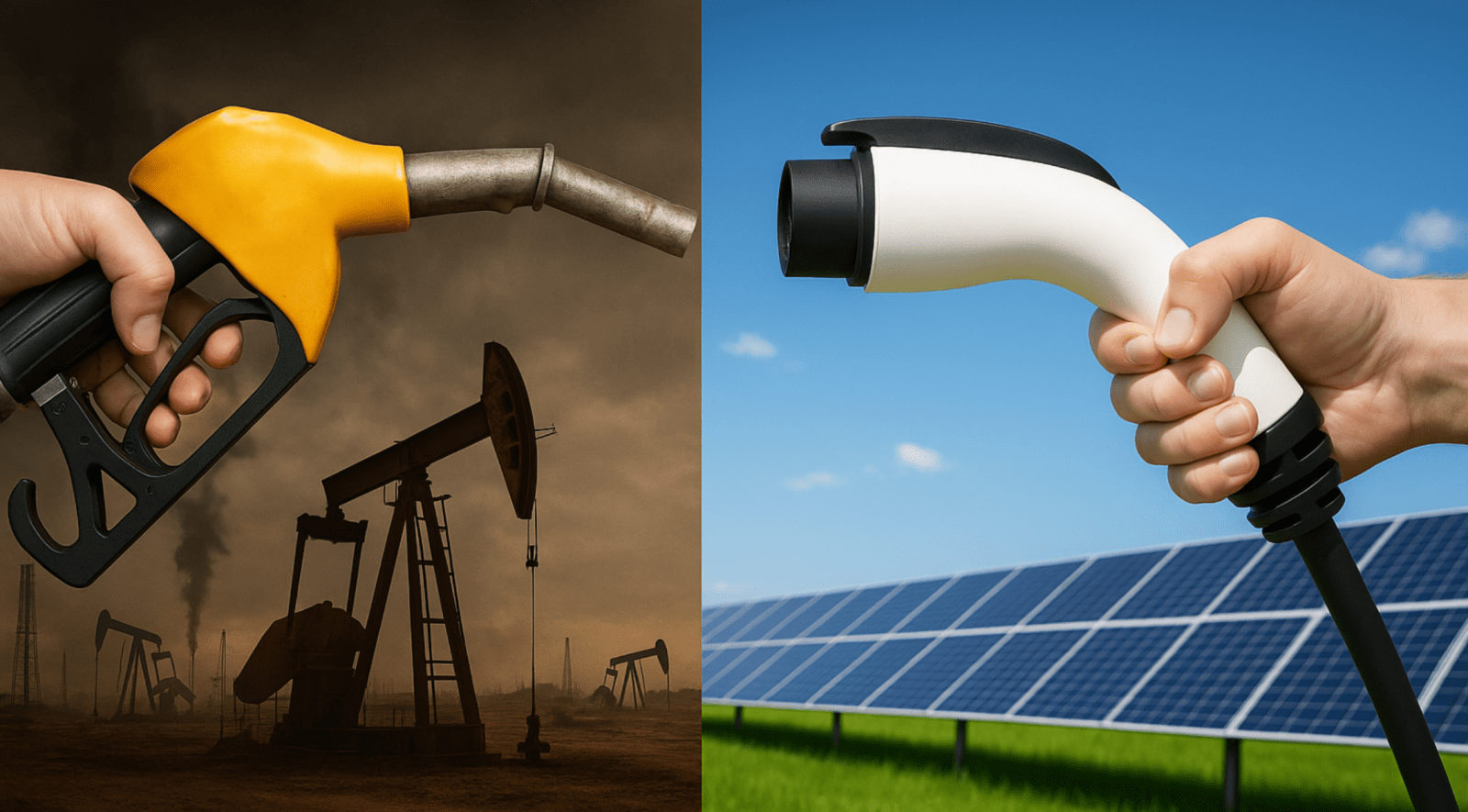
The global energy landscape has been violently reshaped overnight. In a series of events that have sent shockwaves through international financial markets, a massive portion of the Gulf’s refining capacity has been wiped off the map. This isn’t just a temporary supply chain hiccup; it is a full-scale energy emergency that is already changing the way every citizen on the planet thinks about transportation and survival. As the dust settles in the Middle East, the reality of a world without cheap fuel is setting in, and the consequences are nothing short of revolutionary.
The End of Cheap Gas: 11 Million Barrels Vanish Overnight
France’s Finance Minister has officially confirmed the nightmare scenario: between 30% and 40% of the Gulf’s refining capacity has been damaged or completely destroyed following Iran’s retaliatory strikes. This catastrophic loss has resulted in an immediate shortage of 11 million barrels per day on the global oil markets. For perspective, this is a deficit that dwarfs previous energy crises, including the geopolitical instability of the 1970s and the more recent shocks of 2022. The sudden disappearance of this volume of oil has created a vacuum that no other producing nation can fill in the short term.
Economists are warning that we are entering a period of ‘energy hyper-inflation.’ With the refining infrastructure in ruins, the cost to process crude into usable gasoline and diesel has tripled in some regions. This isn’t just about supply; it’s about the physical ability to turn oil into the fuel that powers our global economy. Without these refineries, the raw crude sitting in tankers is virtually useless to the average consumer, leading to a bottleneck that is pushing prices to historic, painful highs.
The Economic Fallout: Why Your Wallet is Hurting
The impact at the pump was instantaneous. In the United States, national gas prices are aggressively approaching the $4 per gallon mark, while the situation in California has already spiraled out of control. Residents in the Golden State are reporting prices well beyond $5 per gallon, with some premium stations flirting with the $7 mark. This surge is not merely a number on a sign; it represents a massive transfer of wealth from the middle class to energy providers and a significant hit to discretionary spending across the country.
History tells us that when gas prices spike, consumer behavior shifts, but the current data suggests a much more permanent pivot. Unlike the temporary fluctuations of the past decade, the destruction of the Gulf infrastructure suggests a multi-year recovery period. Consumers are no longer asking if prices will go back down; they are asking how they can escape the pump entirely. This fear-driven demand is causing a ripple effect throughout the entire automotive industry, leaving traditional internal combustion engine (ICE) manufacturers scrambling as their inventories sit idle on dealership lots. You can find more updates on the Electrek news feed regarding this developing situation.
The Great Electric Pivot: Is an EV Your Only Hope?
The silver lining in this geopolitical storm appears to be the accelerated adoption of sustainable technology. Data from multiple industry sources, including Google Search Trends and direct dealership inquiry logs, shows that interest in electric vehicles (EVs) has surged to levels never before seen in human history. This ‘Great Electric Pivot’ is surpassing the intensity of the 2022 gas crisis, which was previously the high-water mark for EV curiosity. Today, it isn’t just early adopters or environmentalists looking for EVs; it is the average commuter who is tired of being held hostage by global oil volatility.
- EV searches have increased by 400% in the last 72 hours alone.
- Dealerships are reporting record-breaking waitlists for mid-range electric SUVs and sedans.
- Used EV markets are seeing a sudden price appreciation as buyers look for immediate alternatives to gas-guzzlers.
- Public charging infrastructure usage has spiked as existing EV owners maximize their range to avoid petrol stations.
As the 11-million-barrel shortage continues to choke the global economy, the transition to electric mobility is moving from a luxury choice to a survival strategy. Manufacturers like Tesla, Ford, and Rivian are being inundated with orders, while the political pressure to upgrade the national power grid has reached a fever pitch. We are witnessing the beginning of the end for the internal combustion era, driven not by policy, but by the raw, unyielding reality of a world that can no longer rely on the Middle East for its daily commute. If you haven’t considered an electric vehicle yet, the current market trends suggest you may soon have no other choice.