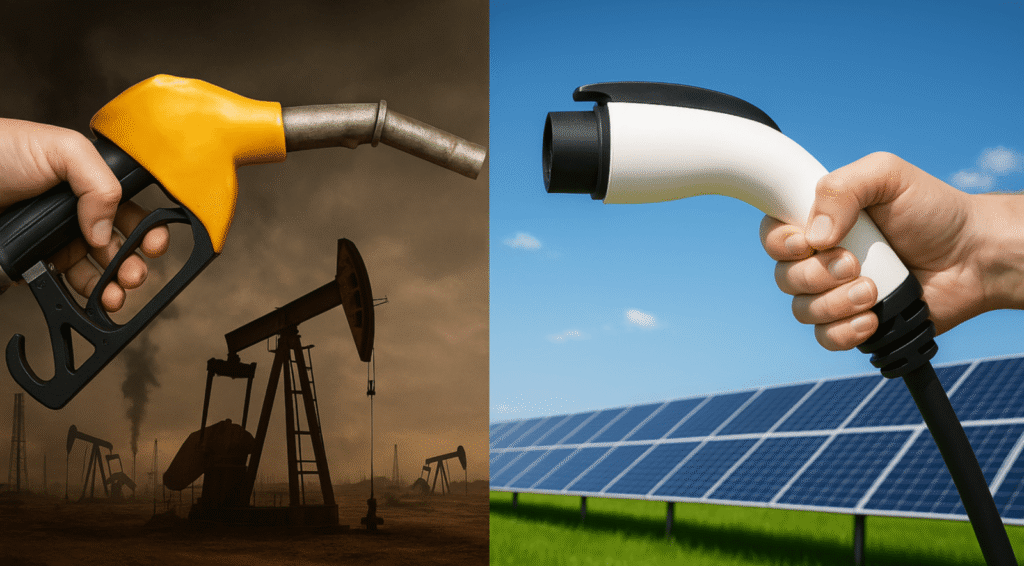
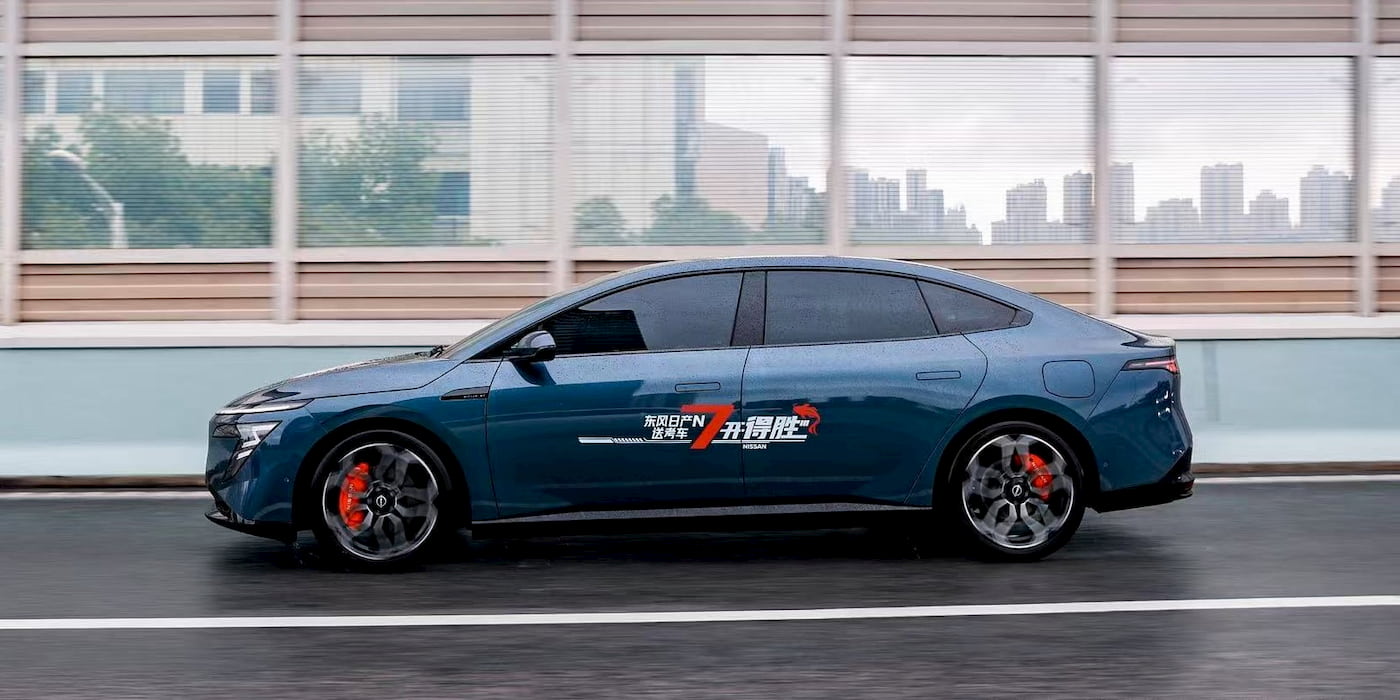
The automotive world is on the brink of a revolution that will make current lithium-ion technology look like ancient history. Nissan has just sent shockwaves through the industry by announcing a monumental milestone in its quest to dominate the electric vehicle market with all-solid-state batteries. This is not just a minor improvement; it is the total reimagining of the car as we know it.
The Death of Lithium-Ion? Nissan’s Breakthrough
For years, the ‘range anxiety’ bogeyman has haunted potential EV buyers, keeping millions tethered to gas-guzzling internal combustion engines. But Nissan is about to drive a stake through its heart. During a high-stakes briefing this week, the Japanese automaker confirmed it is officially on track to launch its first vehicles powered by all-solid-state EV batteries by 2028. This represents a fundamental shift in how we perceive mobility and energy storage.
Current electric vehicles rely on liquid electrolytes, which are heavy, prone to overheating, and limited in energy density. Nissan’s new technology replaces this liquid with a stable solid electrolyte, promising to double the energy density and slash charging times to a fraction of what we see today. Imagine charging your car as quickly as you fill a gas tank. That is the reality Nissan is building in its secretive laboratories right now.
Why Solid-State Batteries are the Holy Grail
The benefits of solid-state technology are almost too good to be true, yet Nissan is proving they are within reach. First and foremost is safety. Solid electrolytes are non-flammable, virtually eliminating the risk of the catastrophic thermal runaway fires that have plagued some current EV models. This safety profile allows for more aggressive charging speeds without the fear of damaging the battery cells or endangering passengers.
- Energy density that is 2x greater than current lithium-ion batteries, allowing for smaller, lighter cars.
- Charging times reduced by up to 50% or more, ending the long wait at charging stations.
- Significant weight reduction, improving overall vehicle efficiency, braking, and handling performance.
- Lower manufacturing costs in the long run as the supply chain matures and scales.
Nissan’s commitment to this tech is backed by massive investment in its pilot production facilities in Japan. By 2028, the company expects to have a fully operational assembly line capable of mass-producing these game-changing power units for the global market. If they succeed, they could leave competitors scrambling to catch up in a market they once thought they controlled.
The 2028 Timeline: Can Nissan Beat Tesla and Toyota?
The race to solid-state is the new Space Race of the 21st century. While companies like Toyota and Tesla have made their own bold claims, Nissan’s latest milestone puts them in a prime position to be the first to market with a viable, mass-produced product. This isn’t just about premium luxury cars for the ultra-wealthy; Nissan intends to bring this technology to a wide range of segments, including their legendary sports cars and versatile family SUVs.
According to reports from industry analysts, the success of this project could determine the balance of power in the global automotive market for the next three decades. Nissan is not just playing the game; they are trying to rewrite the rules entirely. The implications for the environment, the economy, and the average consumer are staggering, promising a future of truly sustainable and convenient travel.
As we edge closer to the 2028 deadline, all eyes will be on Nissan’s pilot plant. The company has already demonstrated that the chemistry works; now, it is a matter of scaling that success to millions of vehicles. The era of the ‘forever battery’ is almost here, and it is wearing a Nissan badge. This is the moment the internal combustion engine finally meets its match.
Expect more updates as Nissan continues to tear down the barriers to EV adoption. If you thought the EV revolution was already here, you haven’t seen anything yet. The real transformation begins when the first solid-state Nissan rolls off the assembly line and into the history books.