California is standing at a dangerous crossroads. As the state pushes toward a green energy future, the aging electrical infrastructure is under more pressure than ever before. But a massive new development just south of San Francisco is promising to change the game forever. Arevon, a powerhouse in the renewable energy sector, has officially greenlit a staggering $600 million battery storage project designed to act as a fail-safe for the state’s volatile power grid. This is not just a routine upgrade; it is a monumental shift in how we think about energy security in the face of climate change and surging demand.
The End of California’s Dreaded Blackouts?
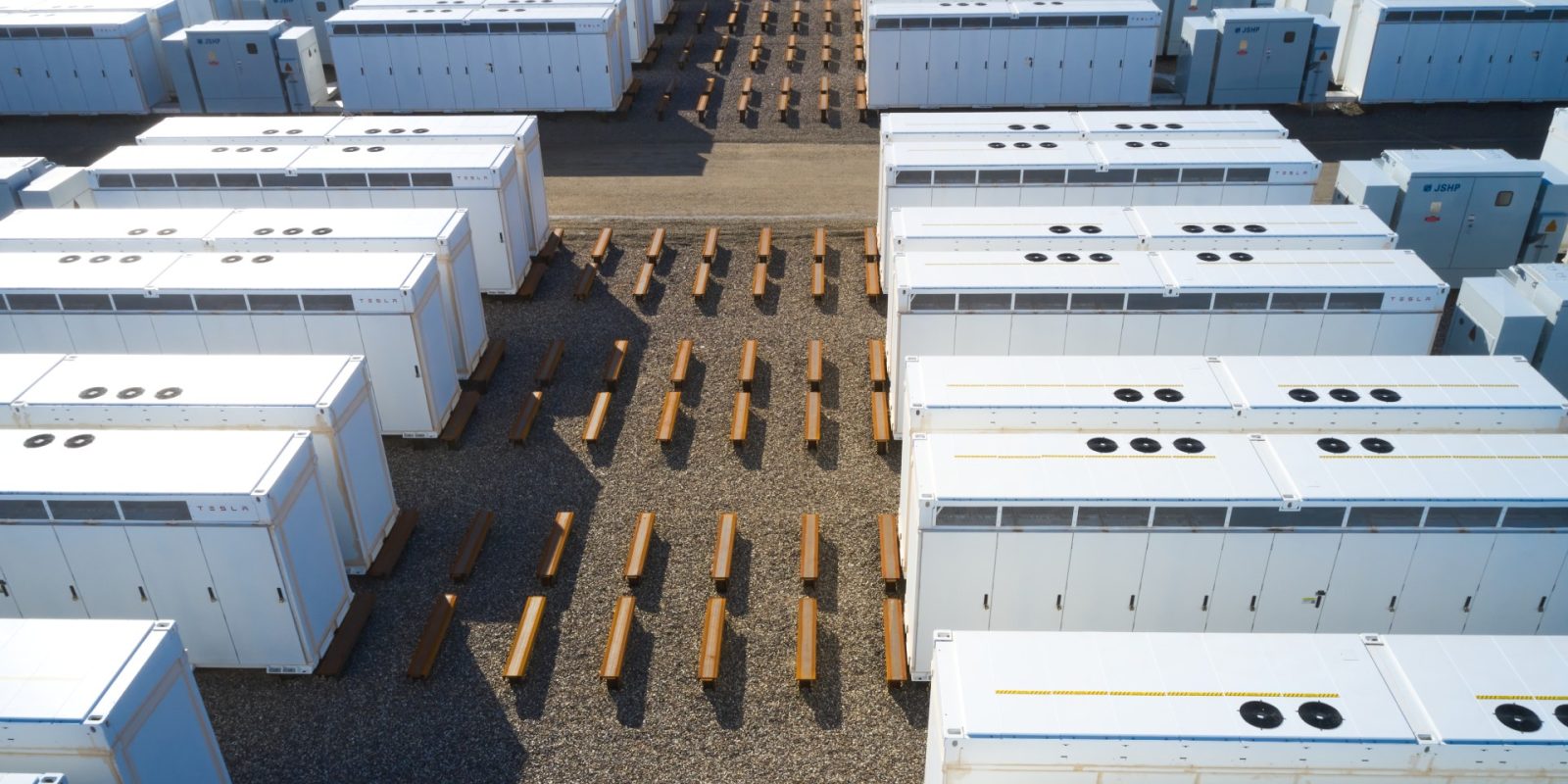
For decades, residents of the Golden State have lived in fear of the ‘rolling blackout.’ When the summer heat peaks and millions of air conditioners hum at maximum capacity, the grid often groans under the weight. In the past, this meant shutting down power to entire neighborhoods to prevent a total system collapse. However, Arevon’s latest venture is specifically engineered to kill the blackout threat once and for all. Located in a high-demand corridor just south of San Francisco, this facility will store massive amounts of clean energy during times of low usage and unleash it precisely when the system reaches its breaking point.
This project represents a critical pivot point for the California Independent System Operator (CAISO). By integrating such a large-scale storage solution, the state can finally bridge the gap between sunset—when solar production drops—and the late-evening hours when residential energy use remains high. The project is a testament to the maturation of lithium-ion technology, moving from small-scale experimental setups to industrial-grade infrastructure capable of supporting entire metropolitan areas. The sheer scale of the investment, totaling over half a billion dollars, underscores the urgency and the profitability of the energy storage revolution.
Powering 321,000 Homes at Peak Demand
The numbers behind this project are truly mind-boggling. Arevon has designed the system to provide enough electricity to power approximately 321,000 homes simultaneously during peak demand. To put that in perspective, that is nearly the entire residential capacity of a major city. When the sun goes down and the wind dies down, this giant ‘energy reservoir’ kicks in, ensuring that the lights stay on and the medical equipment keeps running without a single flicker. It is the ultimate insurance policy for a society that is increasingly dependent on a 24/7 digital economy.
Furthermore, the strategic placement south of San Francisco is no accident. This region is a major hub for tech giants and critical infrastructure that cannot afford even a millisecond of downtime. By placing the battery project near these high-density load centers, Arevon is reducing the strain on long-distance transmission lines, which are often the weakest link in the energy chain during extreme weather events. This localized approach to storage is being hailed by experts as the future of grid resilience.
The $600M Bet on a Greener Future
Beyond just keeping the lights on, this $600 million investment is a massive win for the environment. Historically, California has relied on ‘peaker plants’—natural gas facilities that are highly polluting and expensive to operate—to fill the gaps during high demand. Arevon’s project is designed to make these dirty plants obsolete. By storing surplus wind and solar energy that would otherwise go to waste, the project ensures that the energy being used at 9:00 PM is just as green as the energy produced at noon.
- Eliminates the need for carbon-heavy gas peaker plants.
- Stabilizes electricity prices for consumers by reducing peak-hour volatility.
- Supports California’s ambitious goal of 100% clean energy by 2045.
- Creates hundreds of high-tech jobs in the Bay Area construction and energy sectors.
As we look toward the future, the success of this project will likely serve as a blueprint for the rest of the nation. States like New York and Texas, which have faced their own grid challenges, are watching closely. The era of ‘dumb’ grids is ending, and the era of the ‘smart, stored’ grid is beginning. If you want to stay updated on how technology is saving our planet, you can find more insights at Electrek, the leader in sustainable tech news. Arevon is not just building a battery; they are building the foundation of a new, resilient American energy landscape that refuses to be left in the dark.