The global energy landscape is shifting at a terrifying pace, and those who refuse to adapt are about to be left in the dust. In a world where sustainability is no longer just a corporate buzzword but a brutal survival mechanism, a silent revolution is taking place right under our noses. From jaw-dropping wind and solar breakthroughs to the massive panic currently spreading through legacy automotive boardrooms, the transition to electrification is officially unstoppable. If you are still relying on traditional fossil fuels to power your operations, you are holding a ticking time bomb.
The Hidden War Inside the Electric Vehicle Revolution
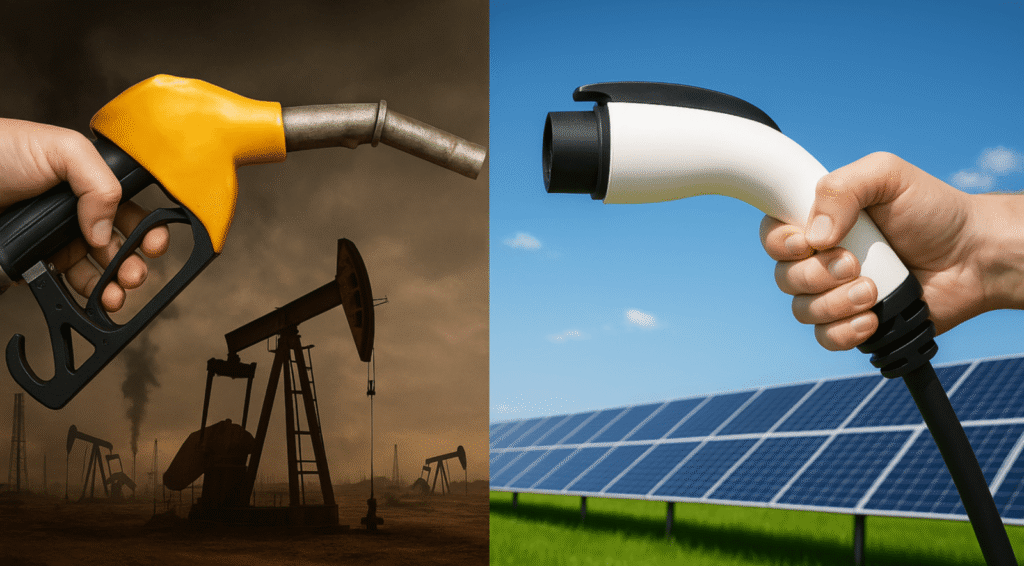
For decades, fossil fuel giants and traditional automakers assured us that the electric vehicle transition was a distant, utopian dream. They laughed at the early adopters. They mocked the idea of wind and solar powering massive industrial grids. But today, the laughter has stopped. In fact, a delicious wave of schadenfreude is washing over the clean energy sector as legacy giants struggle to cope with their own short-sightedness. The reality is undeniable: renewable energy is not just catching up; it is actively crushing the competition.
According to the latest industry revelations, wind and solar power are achieving historic milestones that critics claimed were impossible. Grids worldwide are being flooded with cheap, clean, and infinitely renewable power. This massive surge in green energy capacity is driving down costs and making fossil fuels look like an expensive relic of the past. If you want to dive deeper into how these incredible dynamics are unfolding in real-time, you can watch the explosive Quick Charge episode detailing the latest updates.
The Schadenfreude of Legacy Auto’s Slow Demise
There is nothing quite like watching arrogant monopolies realize they have played the wrong hand. For years, major car manufacturers dragged their feet, lobbying against stricter emissions standards and claiming that consumers simply did not want electric vehicles. Now, they find themselves trapped in a nightmare of their own making. While forward-thinking companies are reaping the rewards of early investments in electrification, traditional manufacturers are facing catastrophic losses, supply chain bottlenecks, and a public that is rapidly turning its back on gas-guzzlers.
This is not just a minor market correction; it is an existential crisis. The absolute panic in the legacy automotive sector is palpable as they try to rush half-baked EV models to market, only to find themselves years behind the technological curve. Meanwhile, the companies that embraced true sustainability are laughing all the way to the bank, proving that green energy is the ultimate wealth generator of the 21st century.
De-Risking the Future: Why Your Fleet is Already Obsolete
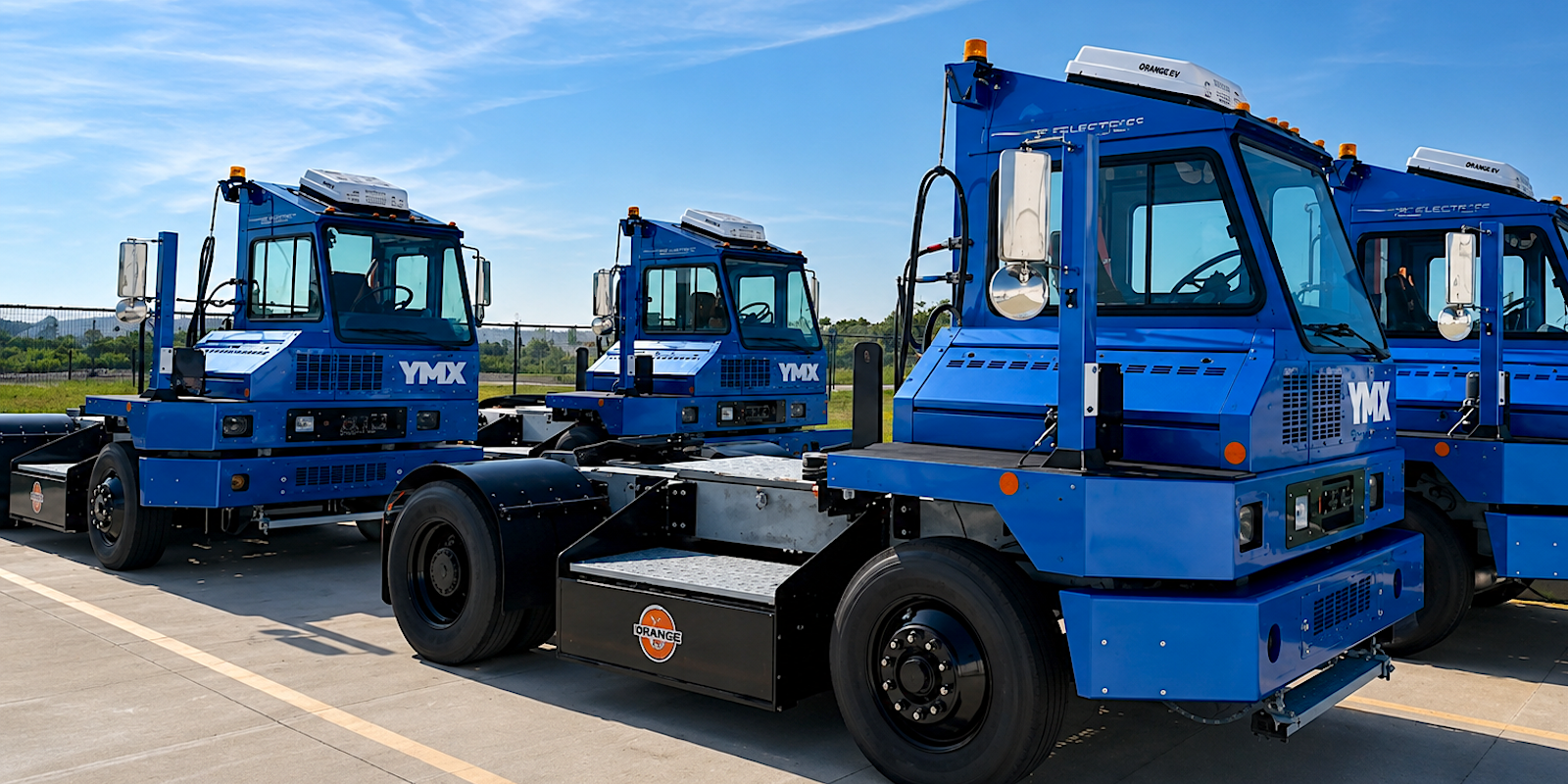
But the revolution goes far beyond passenger cars. The real, high-stakes battleground is in fleet operations. For business owners, the question is no longer whether to transition to an electric fleet, but how quickly they can do it before their competitors bankrupt them. De-risking fleet operations has become the single most critical strategy for modern enterprise survival. Maintaining an internal combustion engine fleet is rapidly becoming an unsustainable financial liability.
With fluctuating fuel prices, skyrocketing maintenance costs, and looming regulatory penalties for high-emission vehicles, traditional fleets are a money pit. Transitioning to electric fleets paired with smart energy management—such as Vehicle-to-Home (V2H) and Vehicle-to-Grid (V2G) technology—allows companies to transform their vehicles from mere transportation assets into active, money-saving energy storage units. The transition to sustainability is no longer an ethical choice; it is a cutthroat business strategy designed to eliminate risk and maximize dominance. Will you lead the charge, or will you be left behind in the smog of the past?