The global automotive industry is witnessing a seismic shift as commercial fleets ditch traditional internal combustion engines for electric alternatives. Leading the charge in 2026 is Kia, a brand that has already dominated the consumer SUV space with the EV6 and EV9. However, no one—not even Kia’s most optimistic executives—could have predicted the absolute feeding frenzy surrounding the launch of the PV5. Originally designed as a strategic entry into the UK commercial vehicle market, the PV5 has moved from a ‘promising newcomer’ to a ‘market-disrupting titan’ in just a matter of weeks. The sheer volume of orders has sent shockwaves through the industry, proving that the demand for stylish, efficient, and modular electric vans is at an all-time high.
The Shocking Success of the Kia PV5 in the UK Market
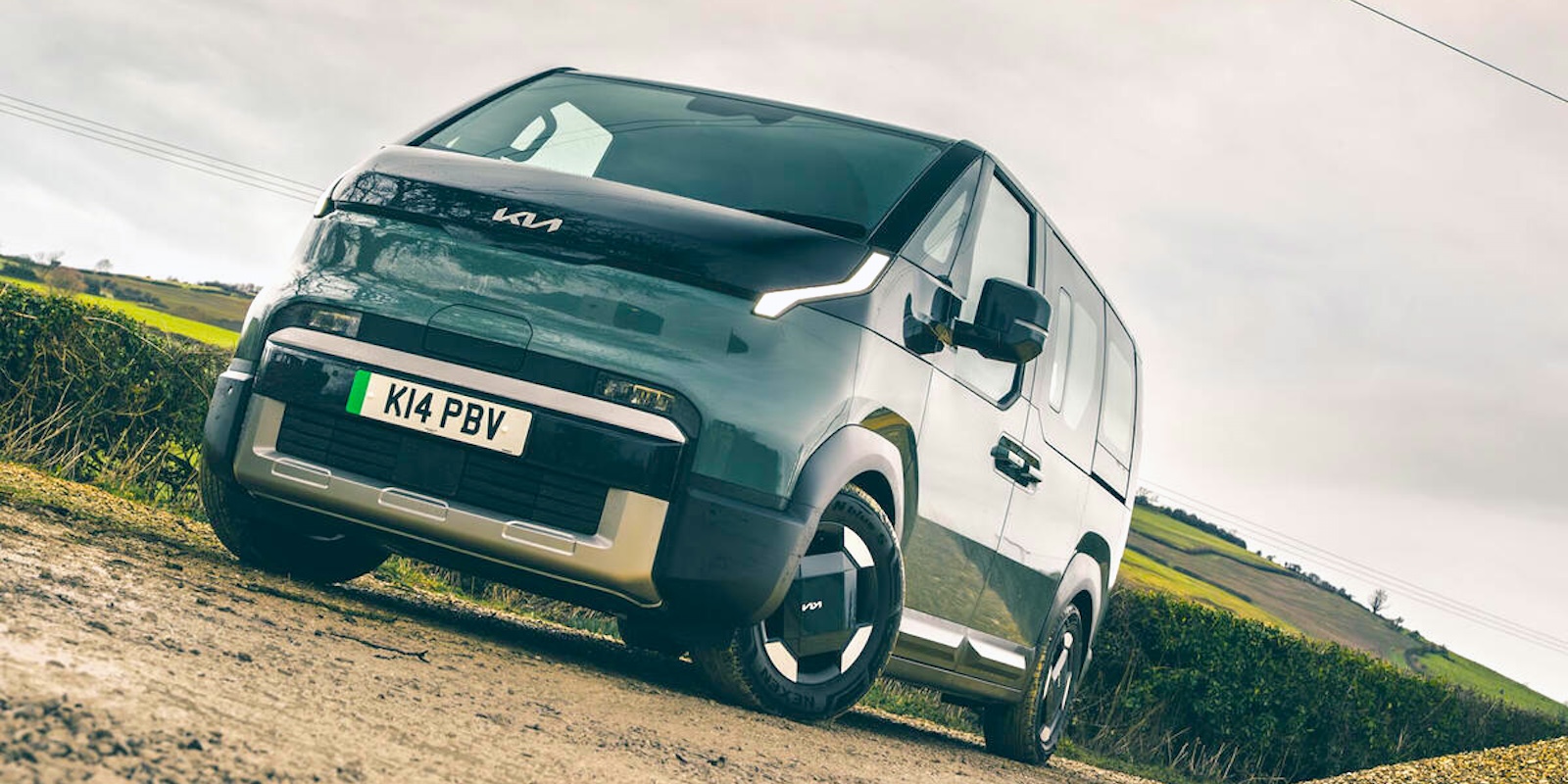
Kia’s initial roadmap for the PV5 was undeniably ambitious. The South Korean automaker set a target to sell approximately 4,000 units to UK fleets within the first year of its 2026 launch. For a brand entering the commercial space for the first time, this was seen as a bold yet achievable goal. However, by April 2026, those numbers were completely obliterated. The ‘boxy EV’ aesthetic, which many critics initially viewed as unconventional, has become its greatest selling point, offering unparalleled interior space and a futuristic street presence that businesses crave for their branding.
Reports from the ground suggest that fleet managers are scrambling to secure allocations. The PV5 isn’t just a vehicle; it’s a statement. As cities across the United Kingdom implement stricter emissions zones, the need for a reliable, high-range electric workhorse has moved from a luxury to a necessity. Kia’s timing was perfect, but their supply chain is now under immense pressure. The company is reportedly working overtime to recalibrate its manufacturing output to meet a demand that is triple what was originally forecasted.
Why UK Fleets Are Abandoning Diesel for Kia’s Modular Design
What makes the PV5 so special? Unlike traditional vans that are built on modified internal combustion platforms, the PV5 utilizes Kia’s Platform Beyond Vehicle (PBV) architecture. This dedicated EV foundation allows for a flat floor and a low loading height, which are critical for delivery logistics. Furthermore, the modularity of the PV5 means it can be adapted for various roles—from cargo transport to refrigerated logistics and even passenger shuttles. Some of the key reasons for its viral success include:
- Unmatched Total Cost of Ownership (TCO) compared to aging diesel fleets.
- Ultra-fast charging capabilities that minimize downtime for drivers.
- A suite of advanced driver-assistance systems (ADAS) that reduce insurance premiums.
- The modular ‘Plug & Play’ tech that allows for easy body swaps.
Businesses are realizing that the transition to electric is no longer a logistical nightmare but a competitive advantage. The PV5 offers the range and reliability that previous generations of electric vans lacked, making it the first true ‘no-compromise’ solution for high-mileage commercial use.
Scaling Production to Meet Unprecedented Global Demand
With the UK market serving as a litmus test for global expansion, Kia is now looking to scale production far beyond its initial estimates. Factories in South Korea are being retooled to prioritize the PBV line, and there are whispers of potential localized assembly to bypass shipping delays. This surge in production is a double-edged sword; while it promises record-breaking revenue, the pressure on battery suppliers is immense. Kia must navigate the complexities of mineral sourcing and assembly to ensure that the 2026 delivery promises are kept.
Industry experts believe that the success of the PV5 will force competitors like Ford and Volkswagen to accelerate their own EV development cycles. As Kia proves that commercial EVs can be both cool and functional, the era of the boring white diesel van is rapidly coming to an end. For those interested in the technical specifics of this production ramp-up, Electrek provides deep-dive insights into how Kia plans to dominate the electric commercial sector by 2030. If the current trajectory continues, the PV5 will not just be a success story—it will be the benchmark for the entire industry.