
The Great EV Reset: Kia Fights Back for Dominance
In a move that has sent shockwaves through the global automotive industry, Kia has officially declared a full-scale price war. As the electric vehicle (EV) market becomes increasingly saturated with aggressive new players, the South Korean manufacturing titan is taking a bold stand by slashing prices across its most popular models. This is not just a seasonal sale; it is a strategic maneuver designed to protect its territory from an incoming wave of low-cost rivals that threaten to disrupt the status quo. From the United States to the heart of Europe, the message from Kia HQ is clear: they are ready to fight for every single customer and will not be undercut by budget newcomers.
The landscape of sustainable transportation is shifting faster than anyone predicted. Only a few years ago, electric cars were seen as luxury items reserved for early adopters with deep pockets. However, the entry of budget-friendly manufacturers, particularly those backed by massive state-funded initiatives, has turned the market upside down. Kia’s decision to cut prices is a direct response to this economic reality. By making their cutting-edge technology more accessible, they are effectively lowering the barrier to entry for millions of potential drivers who have been waiting for the right moment to ditch their internal combustion engines. This ‘great reset’ is expected to force every other major manufacturer to follow suit or risk losing relevance in the new electric era.
Global Price War Reaches Boiling Point
The emergence of low-cost EV manufacturers from emerging markets has completely disrupted the status quo. These new players are offering features that were previously reserved for luxury models at a fraction of the cost. Kia, recognizing the threat, is no longer willing to sit on the sidelines while competitors eat into their hard-earned market share. By aggressively lowering the barrier to entry, Kia aims to capture the hearts—and wallets—of middle-class drivers who have been hesitant to make the jump to electric power due to the so-called ‘green premium.’ This pricing update is a tactical strike aimed directly at those brands attempting to flood the market with cheap alternatives.
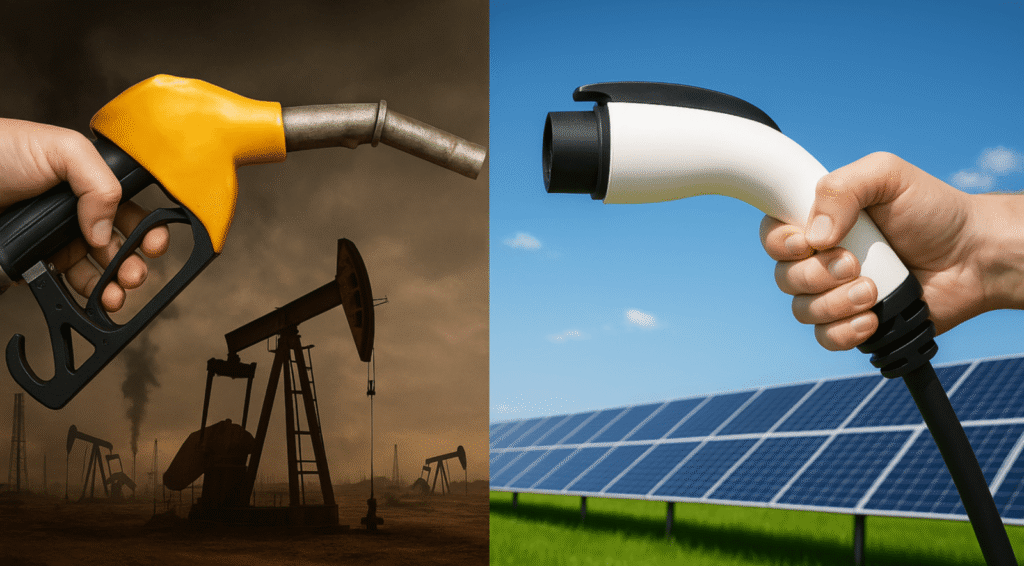
In the United States, where EV adoption has been steady but fragmented, Kia’s price adjustments could be a total game-changer. Models like the highly anticipated EV3 and the award-winning EV6 are now positioned to compete directly with traditional gas-powered cars in their respective segments. This aggressive pricing strategy is expected to spark a retaliatory wave of discounts from other major manufacturers, potentially leading to a consumer-friendly price war that could accelerate EV adoption nationwide by several years. Many savvy buyers are already flocking to dealerships to see Kia’s latest innovations and take advantage of these unprecedented savings.
European markets are facing a similar squeeze. With strict emissions regulations and a growing appetite for compact, efficient vehicles, Europe has become the primary battleground for electric dominance. Kia’s price cuts there are designed to undercut both local incumbents and aggressive new entrants. By leveraging its established dealership network and reputation for reliability, Kia is betting that a lower price tag will be the final push needed to convert traditional car owners into lifelong EV enthusiasts. The industry is watching closely, as this could be the tipping point that finally makes gasoline cars obsolete in major urban centers across the continent.
The Strategic Pivot to Affordable Electric Mobility
Beyond the immediate sales boost, Kia’s strategy reflects a broader corporate shift that could redefine the company for the next decade. The manufacturer is investing billions into manufacturing efficiencies and advanced battery technology to ensure that these lower prices are sustainable in the long run. It is not enough to simply cut prices; the company must maintain a profitable business model while doing so. This involves a massive overhaul of supply chains and maximizing the output of its dedicated EV platforms, ensuring that they can produce high-quality vehicles at a lower cost than their competitors.
The impact of this move extends far beyond Kia’s own ledger. It signals to the entire industry that the era of overpriced EVs is coming to an end. As battery costs continue to decline, the dream of ‘price parity’ between electric and gasoline vehicles is becoming a reality much sooner than analysts expected. Kia is simply accelerating the process, positioning itself as a leader in the democratized electric future. This bold move is likely to attract a new demographic of buyers—younger, more tech-savvy, and highly focused on value for money—who see the car not just as transport, but as a mobile tech platform.
Furthermore, this pricing strategy is complemented by Kia’s commitment to charging infrastructure and software updates. By providing a holistic ecosystem around their more affordable vehicles, they are ensuring that the customer experience remains premium, even if the sticker price is not. The focus is no longer just on the car itself, but on the entire journey of ownership. As we look toward the latter half of the decade, Kia’s decision today may be remembered as the moment the electric vehicle truly became a car for everyone, regardless of their budget. The window for competitors to react is closing fast, and Kia is currently miles ahead in the race to the bottom of the price tag.
In conclusion, the global automotive market is in the midst of its most radical transformation since the invention of the assembly line. Kia’s decision to slash prices is a clear indicator that they are ready to lead this change rather than be consumed by it. For consumers, this is the best news in years. Whether you are looking for a compact commuter or a spacious family SUV, the options are becoming more affordable and more advanced every single day. The war for the future of the road is being fought right now, and Kia has just fired a massive opening salvo.
- Significant discounts across US, Europe, and key global markets.
- Direct strategic response to low-cost rivals and emerging competitors.
- Focus on making high-tech models like the EV3 accessible to the masses.
- A long-term commitment to reaching price parity with traditional gas vehicles.