The Sudden Death of the 2026 Jeep Wagoneer S: What Went Wrong?
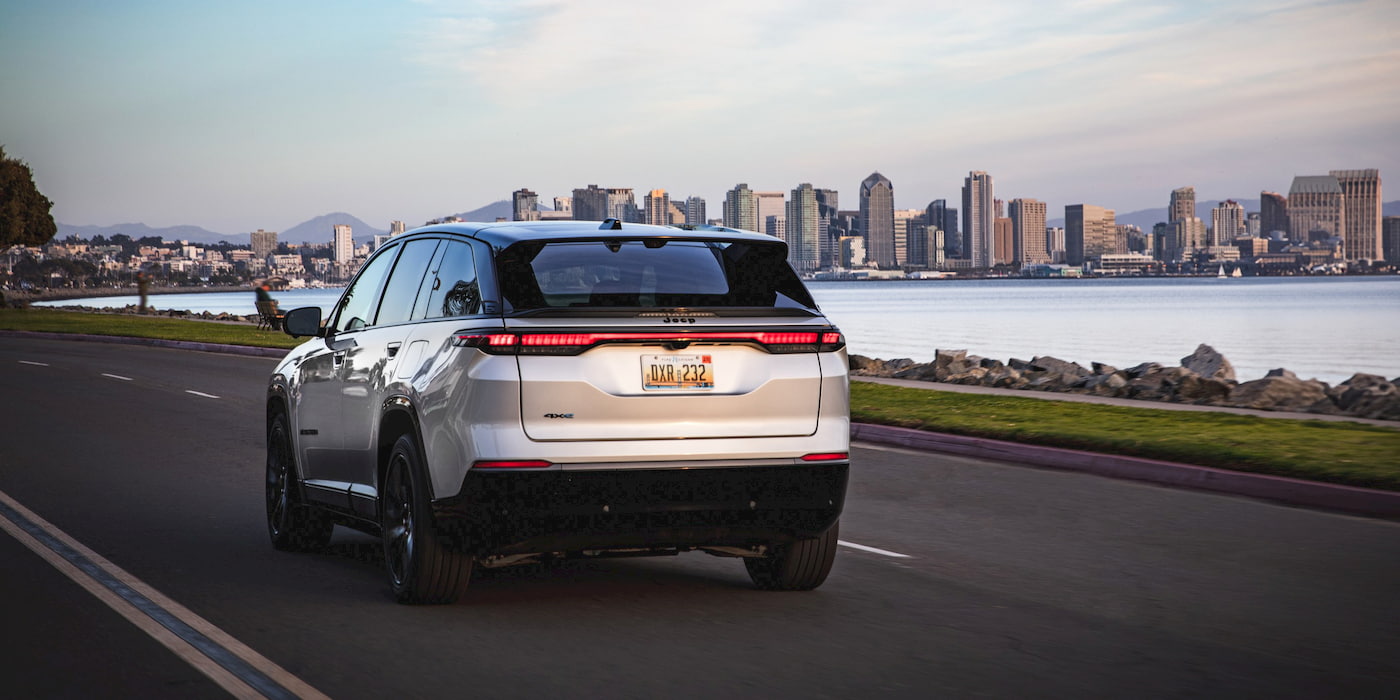
In a move that has sent shockwaves through the electric vehicle sector, Jeep has officially announced that its flagship electric SUV, the Wagoneer S, will not be seeing a 2026 model year release in the United States. This revelation comes at a critical juncture for the brand as it struggles to maintain its identity in a rapidly shifting automotive landscape. The Wagoneer S was meant to be the crown jewel of Jeep’s electrification efforts, a symbol of American luxury merged with zero-emission technology. However, instead of a routine update, consumers are being met with a complete shelving of the upcoming model year.
Industry analysts are scrambling to understand the implications of this decision. While Jeep maintains that the vehicle will return with ‘major improvements,’ the optics of pulling a vehicle from the lineup so early in its lifecycle are rarely positive. For a company like Stellantis, the parent organization of Jeep, every move in the EV space is under intense scrutiny. The decision to skip a year suggests that either the current technology is falling behind competitors or that consumer feedback has been so critical that a minor facelift simply would not suffice. It is a bold admission that the current product might not be ready for the primetime battle against established players.
Why Stellantis Pulled the Plug on its US Electric Flagship
The reasons behind this sudden hiatus are multifaceted. Insiders suggest that the competitive pressure from rivals like Tesla and Rivian has created a bar so high that Jeep’s current offerings were struggling to clear it. The Wagoneer S, despite its impressive acceleration and premium interior, faced criticism regarding its real-world range and the overall integration of its software suite. In an era where software-defined vehicles are becoming the norm, any glitch or lag in the user interface can be a death knell for a luxury product. Jeep enthusiasts expect rugged reliability, and any deviation from that in the electronic realm is met with swift backlash.
Furthermore, the US market has seen a cooling of EV demand, particularly in the high-end luxury segment. Consumers are no longer buying electric cars simply because they are electric; they are demanding parity with internal combustion engines in terms of convenience and reliability. By pausing the 2026 model, Jeep is effectively admitting that they need more time in the lab. This ‘major improvement’ cycle is rumored to involve significant updates to the battery chemistry and perhaps even the introduction of more robust autonomous driving features that were previously missing or under-optimized. This pause could be the brand’s last chance to get the premium EV formula right before the market consolidates further.
The shelving of the 2026 Wagoneer S also points to a larger logistical shift within Jeep’s manufacturing plants. Retooling a line for an EV is an expensive and time-consuming process. If the 2026 model was deemed ‘not enough’ to meet internal quality standards or external sales targets, it makes financial sense to halt production rather than flood the market with a vehicle that might require massive incentives to move off the dealer lots. This strategic retreat allows Jeep to preserve the ‘Wagoneer’ brand prestige rather than diluting it with a sub-par electric offering that could tarnish the nameplate for years to come.
What the Future Holds for Jeep’s Electrification Strategy
Looking forward, the question remains: Can Jeep reclaim its lost ground? The promise of a triumphant return is a classic marketing trope, but in the fast-paced world of EV development, a one-year gap is an eternity. During this time, competitors will launch new generations of hardware and software, potentially leaving Jeep even further behind. To combat this, the ‘major improvements’ promised by the company must be nothing short of revolutionary. We are talking about potential breakthroughs in charging speeds, energy density, and perhaps a complete overhaul of the infotainment ecosystem. Jeep is essentially betting its electric future on a ‘Version 2.0’ that has to be flawless upon arrival.
The 2027 model, or whatever the successor becomes, will need to prove that Jeep can do more than just make a fast SUV. It needs to prove that it can build a reliable, high-tech machine that lives up to the legendary off-road heritage of the brand while providing the seamless digital experience modern buyers crave. There is also speculation that Jeep might use this time to focus more heavily on their 4xe plug-in hybrid variants, which have seen significant success compared to their pure-battery counterparts. The 4xe line has allowed Jeep to maintain its market share while the infrastructure for pure EVs continues to lag in many parts of North America.
- Enhanced battery thermal management for consistent performance.
- Next-generation STLA Large platform optimizations.
- Potential integration of solid-state battery technology.
- Over-the-air (OTA) update capabilities that rival the industry leaders.
- A more competitive pricing structure to lure away luxury SUV buyers.
In conclusion, the death of the 2026 Wagoneer S is not necessarily the end of Jeep’s electric dreams, but it is a sobering reality check. The road to electrification is paved with high expectations and technical hurdles. For now, enthusiasts and potential buyers will have to wait and see if the ‘improvements’ promised are truly worth the wait, or if this is the first sign of a broader retreat from the all-electric future for one of America’s most iconic brands.