The American automotive landscape is currently facing a seismic shift that most major manufacturers never saw coming. For decades, the mantra in the United States has been ‘bigger is better,’ leading to the rise of massive SUVs and heavy-duty trucks that dominate our highways. However, a quiet revolution is brewing on the curbside, and it is smaller than you think. As inflation bites and gas prices remain unpredictable, a new contender has entered the ring: the electric microcar. Leading this charge is Wink Motors, a company that is not just building cars; they are redefining personal transportation for a generation that is tired of being ‘car poor.’
The Micro-Revolution: Why Your Giant SUV Is Now Obsolete
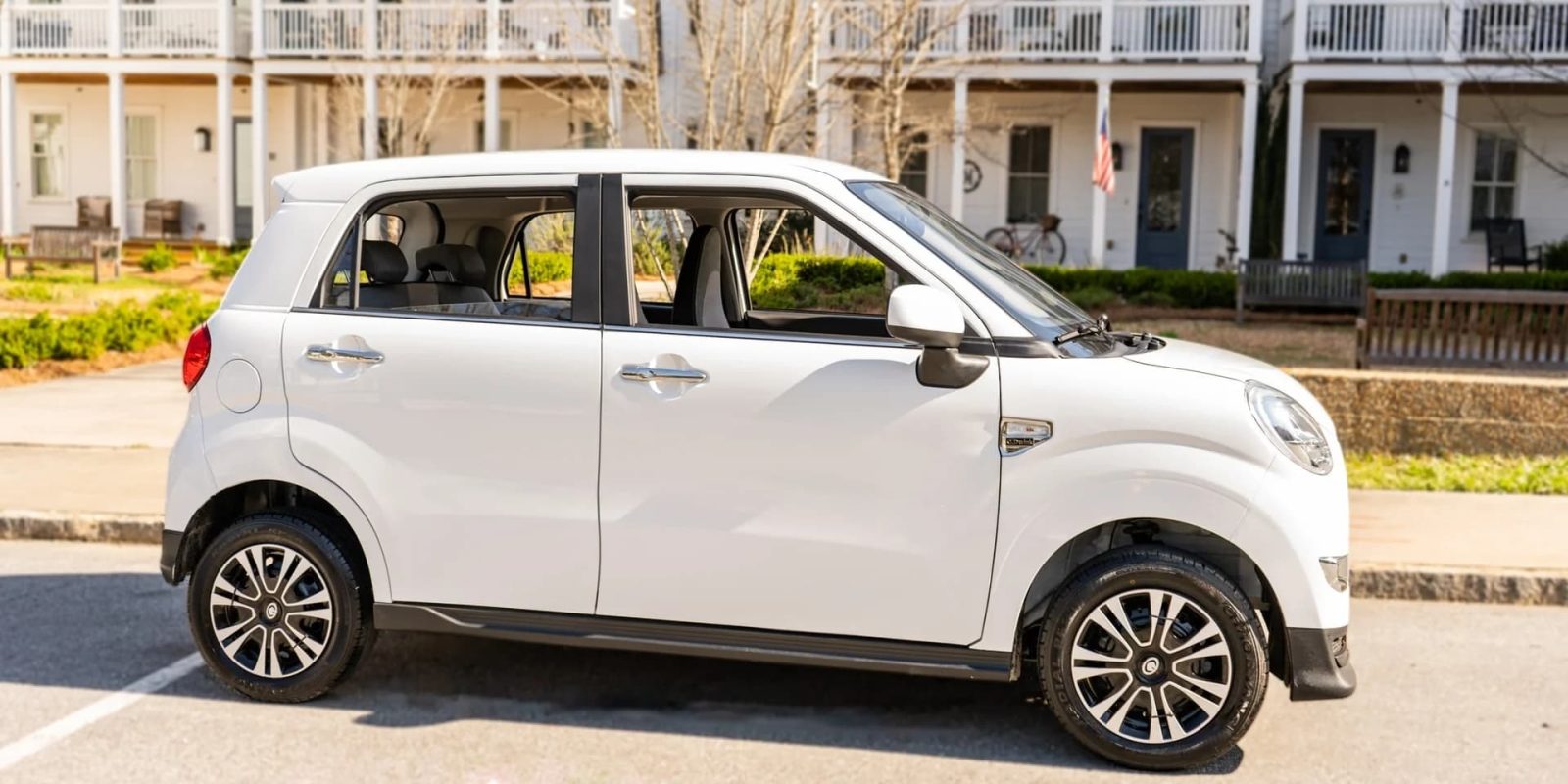
The modern driver is increasingly frustrated with the burden of traditional vehicle ownership. Between the $800 monthly car payments, skyrocketing insurance premiums, and the constant search for a parking spot large enough for a literal tank, the dream of the open road has become a logistical nightmare. Enter the Wink Mark 3. While many early adopters looked to e-bikes or repurposed golf carts as a solution, those options often lacked the basic comforts and safety features of a traditional vehicle. Wink Motors bridges that gap, offering a fully enclosed, street-legal vehicle that provides the sanctuary of a car without the bloated dimensions or the astronomical price tag.
This isn’t just about saving money; it is a bold bet that ‘slower and cheaper’ is actually the winning formula for the 90% of trips we take every single day. Think about your daily routine: the school run, the quick trip to the grocery store for a gallon of milk, or the short commute to the office. Do you really need a 5,000-pound machine powered by a combustion engine to travel three miles? The answer is a resounding no. By embracing the micro-mobility movement, drivers are finding they can reclaim their freedom and their finances simultaneously.
Street Legal Power: Small Scale, Big Urban Impact
One of the biggest hurdles for micro-mobility has always been the legal red tape. For years, these vehicles existed in a gray area, often restricted to gated communities or private land. However, as noted in recent reports on urban mobility trends, more US cities are finally opening their doors to alternatives. Wink Motors has navigated this complex landscape by ensuring their vehicles meet strict federal ‘Low-Speed Vehicle’ (LSV) standards. This means the Mark 3 is 100% street legal on any road with a speed limit of 35 mph or less, covering the vast majority of urban and suburban residential streets.
The latest upgrades to the Wink lineup are a game-changer. We are seeing improved battery thermal management, more refined interior finishes, and a range that easily handles a full day of errands on a single charge. Unlike traditional EVs that require expensive Level 2 home charging installations, these microcars can often be topped off using a standard 120V household outlet. It is the democratization of electric mobility, stripped of the elitism and high entry costs that have plagued the industry for the last decade.
The Death of the $50,000 Car Note
The psychological shift here is profound. We are witnessing the end of the ‘status symbol’ vehicle in favor of practical utility. When you drive a Wink microcar, you are making a statement that you value efficiency and intelligence over brute force. Imagine a world where charging your vehicle for an entire week costs less than a single artisanal cup of coffee. That is the reality for micro-electric vehicle owners. By stripping away the dead weight of traditional automotive design, Wink Motors has created a vehicle that is incredibly efficient, costing pennies per mile to operate.
In an era where sustainability is no longer a buzzword but a necessity, the microcar stands as a beacon of common sense. These vehicles require significantly fewer raw materials to produce—particularly the rare earth minerals needed for massive battery packs—making them a much ‘greener’ choice than even a standard-sized Tesla. The era of the oversized, gas-guzzling SUV is drawing to a close, replaced by a smarter, leaner, and much more affordable future. The microcar revolution isn’t just coming; it is already parked in the smallest spot on your block, and it is here to stay.