In the explosive world of electric mobility, manufacturers are locked in a relentless war for your wallet. Everywhere you look, brands are dropping the word ‘premium’ like it is cheap candy, plastering it over electric bikes that cost barely more than a high-end smartphone. But can an insanely cheap ride truly offer a high-end luxury experience, or are millions of unsuspecting buyers falling victim to clever, aspirational marketing hype? Today, we are tearing open the shiny wrapper of the budget e-bike industry to expose what is really happening beneath the surface.
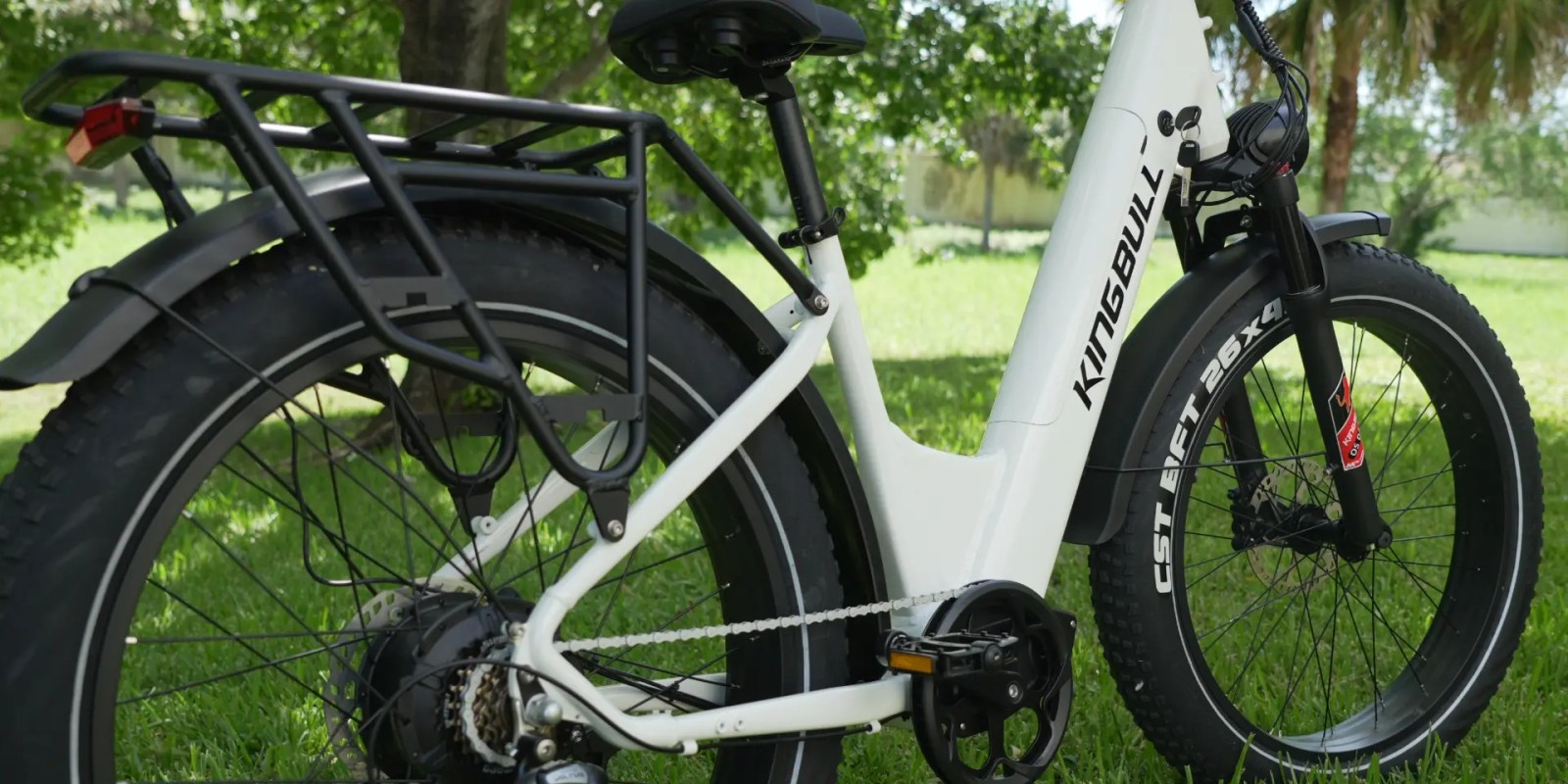
When a new model like the Kingbull Discover hits the headlines promising luxury features at a fraction of the cost, the electric cycling community goes into an absolute frenzy. Riders are desperate to escape skyrocketing gas prices, terrible city traffic, and suffocating public transport costs. Naturally, the promise of ultra-smooth suspension, long-range battery power, and sleek aesthetics without the $4,000 price tag sounds like an absolute dream come true. But as seasoned industry insiders know all too well, when something sounds too good to be true in the tech world, danger often lies right around the corner.
The Truth Behind the ‘Premium’ E-Bike Revolution
To understand why manufacturers slap the ‘premium’ label on ultra-affordable bikes, you have to look at the psychology of modern consumerism. In an age dominated by social media unboxings and viral video reviews, visual appeal often trumps true engineering integrity. A glossy frame, integrated LED headlight, and a bright digital display can easily fool an untrained eye into believing a bike belongs in a high-end boutique shop rather than a budget fulfillment warehouse.
According to recent coverage by Electrek, the line between genuinely high-quality electric bikes and cheap budget builds is becoming blurrier by the day. Manufacturers are mastering the art of feature-stacking giving you hydraulic disc brakes, fat tires, and colorful digital displays on bikes priced under a thousand dollars. But how are they keeping prices down while claiming luxury status? The answer lies in invisible compromises that could end up costing you big time down the road.
Marketing Myth vs. Two-Wheeled Reality
When you purchase a luxury e-bike from an established legacy brand, you are not just paying for the metal frame and rubber wheels; you are paying for rigorous safety testing, high-grade Samsung or LG battery cells, UL safety certification, and customer support that actually answers the phone when something goes horribly wrong. Budget brands claiming premium specs often cut corners in places you cannot see until it is far too late.
For instance, unbranded battery cells are notorious for degrading exponentially faster after just a few dozen charge cycles. Low-tier hub motors might promise massive peak power on paper, but they overheat quickly under real-world pressure or steep incline climbs. Frame welds, spoke tension, and cheap derailleur setups often require immediate mechanical tuning right out of the box. What started as an unbelievable bargain can quickly spiral into an endless sequence of costly repairs, voided warranties, and massive headaches.
What Actually Makes an E-Bike Worth Your Hard-Earned Cash?
So, how can you spot a genuine bargain from a sensationalist marketing trap? First, look beyond the shiny paint job and look closely at the component list. Authentic high-value e-bikes will always specify the exact brand of their drivetrain, their braking systems, and their battery cells. If a company vaguely promises ‘premium lithium technology’ or ‘industrial-grade stopping power’ without naming the component manufacturer, red flags should be flying immediately.
Second, examine the frame warranty and real customer feedback outside of the official website filtered review section. True quality brands stand firmly behind their frames with multi-year warranties and accessible replacement parts. Cheap clone brands tend to vanish into thin air or rename themselves the moment widespread battery or structural failures start going viral on web forums.
Ultimately, the influx of affordable e-bikes claiming luxury status is a double-edged sword for the industry. On one hand, it lowers the barrier to entry, allowing thousands of commuters to experience the sheer joy and freedom of electric biking. On the other hand, aspirational marketing can deceive unsuspecting consumers into buying glorified toys disguised as serious transportation vehicles. Before you click that buy button on the next viral e-bike sensation, ask yourself: is it genuinely premium, or are you just paying for a very pretty hallucination?