The $70 Billion Betrayal: How Big Auto Sabotaged Its Own Future
The global automotive industry is currently in the midst of a self-inflicted catastrophe. For years, legacy manufacturers have publicly touted their commitment to a green future while privately funneling hundreds of millions into lobbying efforts designed to kill electric vehicle (EV) mandates. A shocking new report from InfluenceMap has finally put a price tag on this duplicity, revealing that these companies have essentially set $70 billion on fire. This massive loss isn’t just bad luck; it is the direct result of an industry that tried to play both sides and ended up losing to its own cynicism.
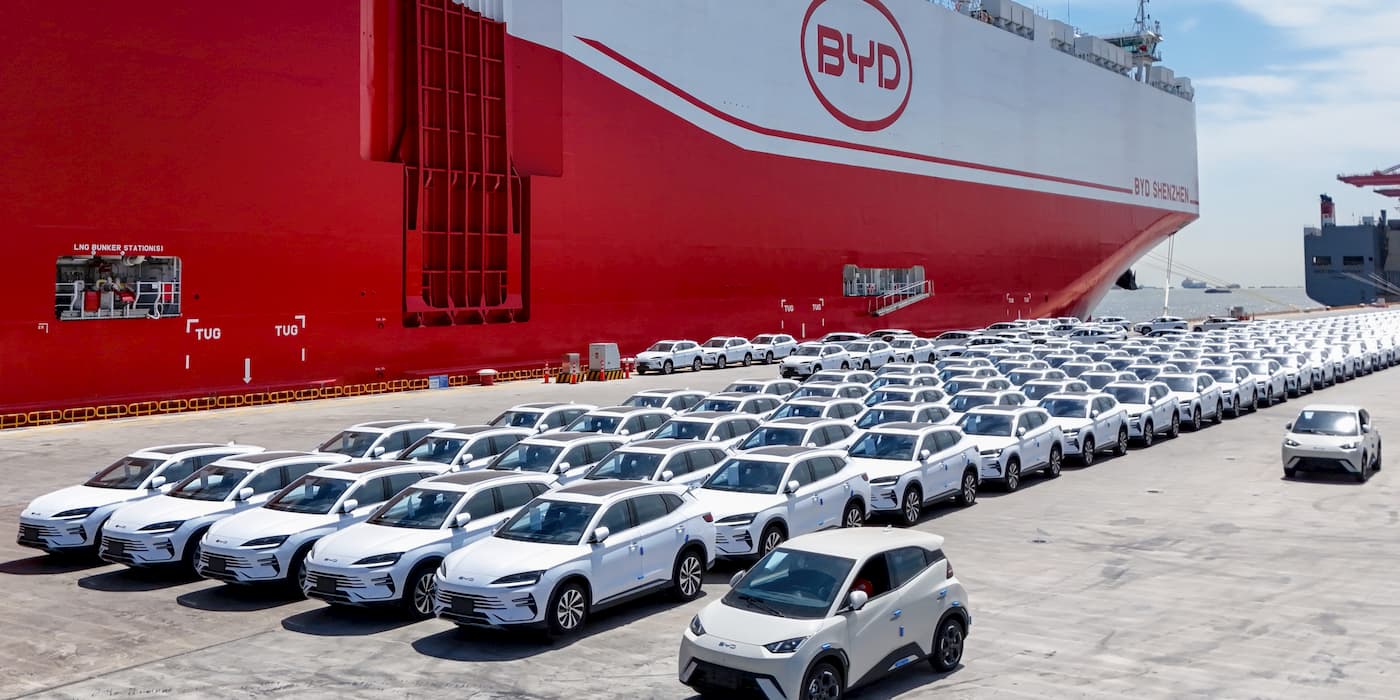
While companies like Ford, GM, and Volkswagen were busy begging regulators for ‘flexibility’ and ‘delays,’ their global competitors were doing something radical: they were building cars that people actually want to buy. By successfully lobbying to weaken emissions standards, legacy automakers sent a clear signal to their internal engineering teams that there was no rush to innovate. This created a culture of complacency that allowed agile, tech-focused companies to leapfrog decades of traditional manufacturing experience.
The Toxic Cycle of Flip-Flopping and Sabotage
The InfluenceMap analysis highlights a pattern of ‘flip-flopping’ that has left investors reeling. One week, a CEO is on stage promising a fully electric lineup by 2030; the next week, the company’s lobbyists are in a backroom in Washington or Brussels arguing that those same targets are ‘impossible’ to meet. This regulatory instability, which the automakers themselves created, has led to a complete breakdown in long-term planning. You cannot build a multi-billion dollar battery supply chain when your own legal department is trying to ensure those batteries aren’t needed for another decade.
The consequences of this double game are now visible in every quarterly earnings report. While EV sales growth continued to accelerate globally through 2025, the legacy giants found themselves with the wrong products at the wrong time. They are now forced to offer massive discounts on outdated internal combustion engine (ICE) vehicles while scrambling to fix software and battery issues in their first-generation EVs—projects that should have been perfected years ago if they hadn’t been fighting the very regulations that encouraged their development.
- Billion-dollar cancellations of EV production lines that were already under construction.
- Loss of market share in China, the world’s largest car market, to local vertically-integrated players.
- Stagnant innovation in battery density and charging speeds compared to Tesla and BYD.
- Erosion of shareholder trust as ‘strategic pivots’ look more like desperate retreats.
Why Investors and Consumers Should Be Outraged
This is more than just a corporate blunder; it is a systemic failure of leadership that affects the entire global economy. Every dollar spent on anti-EV lobbying was a dollar taken away from R&D. Every month spent fighting the EPA was a month given to competitors to perfect their supply chains. The $70 billion lost isn’t a nebulous figure—it represents the thousands of jobs at risk and the missed opportunity to lead the most significant technological revolution since the invention of the assembly line.
Investors were sold a vision of a ‘smooth transition’ to electrification. Instead, they have been given a chaotic mess of ‘course-corrections’ and ‘reassessments.’ The narrative that ‘demand is cooling’ is a convenient lie used to cover up the fact that legacy auto simply failed to build competitive products at scale. When a consumer chooses a Chinese EV over a domestic one because it has better range, faster charging, and a lower price, that isn’t a lack of demand for EVs—it is a lack of demand for inferior products. The ‘bed’ has been made, and now the industry giants must lie in it, watching from the sidelines as the $70 billion they wasted on lobbying fails to buy them a ticket back into the race.