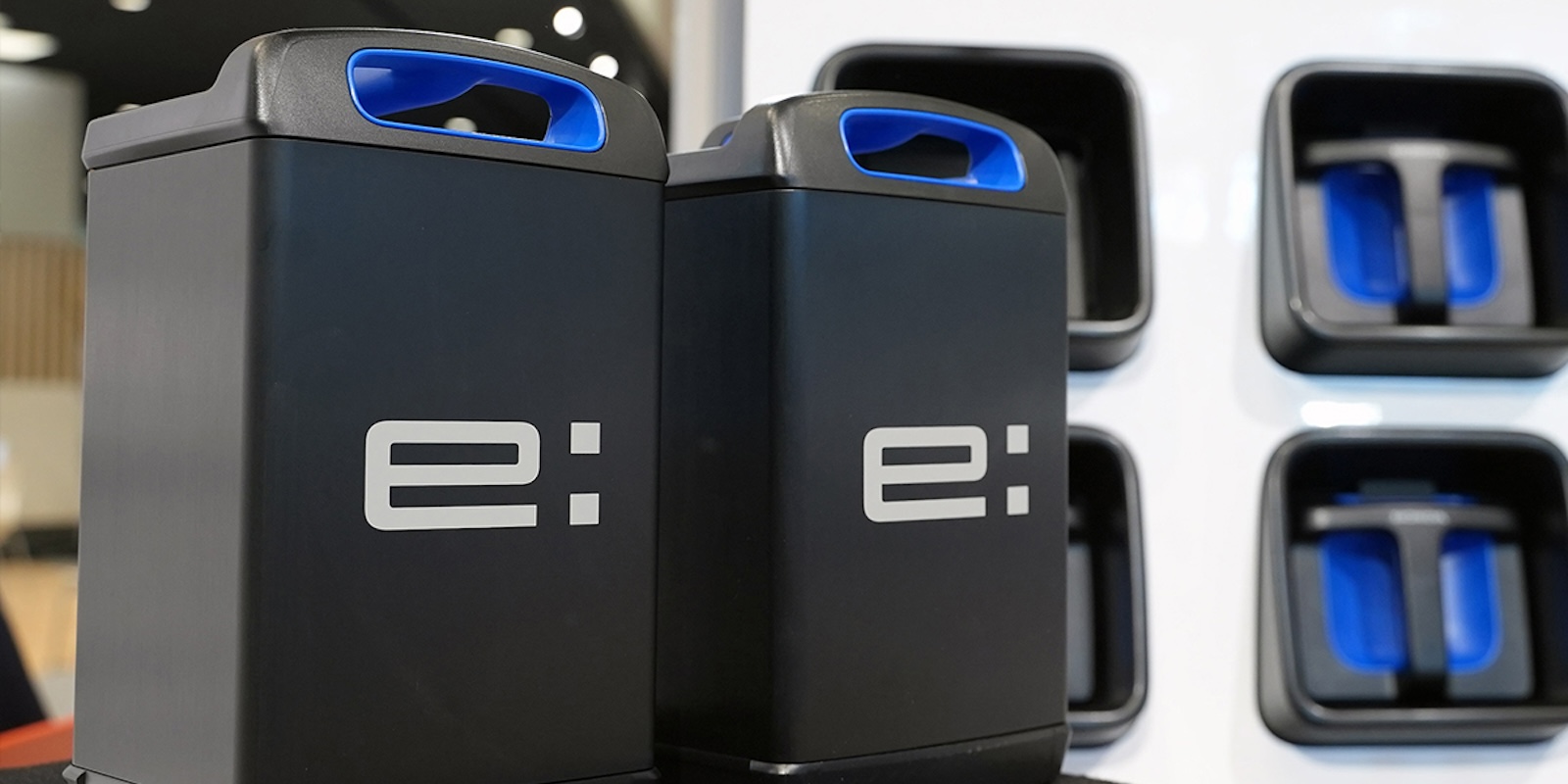
Forget everything you know about waiting hours for your electric vehicle to charge. Honda just dropped a bombshell at the ACT Expo that could signal the beginning of the end for traditional plug-in charging stations. The automotive giant has officially confirmed that its revolutionary Mobile Power Pack e: swappable battery system is hitting the United States market, and the timeline is much sooner than anyone expected. This move is set to disrupt the entire transport industry, offering a solution to the one thing that still terrifies EV owners: range anxiety and massive downtime.
Why Honda’s Swappable Tech Changes Everything
The announcement sent shockwaves through the industry last week. For years, the ‘range anxiety’ and ‘charging downtime’ arguments have been the primary weapons used by skeptics of the EV revolution. Honda’s solution? Don’t charge—just swap. By introducing a modular, portable battery system, Honda is effectively decoupling the energy storage from the vehicle itself. This isn’t just a minor update; it is a fundamental shift in how we perceive energy mobility. The potential for this tech to migrate from commercial use to personal vehicles is the ‘holy grail’ that enthusiasts have been waiting for.
While competitors have struggled to implement large-scale battery swapping for passenger cars, Honda is taking a surgical approach. By targeting the B2B commercial sector first, they are addressing the segment that suffers the most from downtime. A delivery van or a light construction vehicle sitting at a charger for four hours is lost revenue. A vehicle that swaps a battery in sixty seconds is a profit machine. This strategic move positions Honda at the forefront of the commercial electrification race, potentially leaving rivals in the dust as they struggle with cable-based infrastructure.
The End of the Charging Wait Era
The technical specifications of the Mobile Power Pack e: are designed for rugged, repeated use. These aren’t just batteries; they are smart energy modules. Each unit is built to withstand the rigors of commercial environments while maintaining high energy density. At the ACT Expo, Honda demonstrated how seamlessly these packs integrate into a variety of machinery. The ‘swap’ process is designed to be intuitive, requiring no specialized heavy machinery, making it accessible for fleet drivers and warehouse workers alike. It turns the complex task of fueling into something as simple as changing the batteries in a remote control.
Imagine a future where urban centers are dotted with ‘Honda Power Pods’ instead of high-voltage transformers. These stations would act as vending machines for electricity. This decentralized energy grid could potentially stabilize local power demands, as the stations can charge the batteries during off-peak hours and have them ready for the morning rush. The implications for city planning are massive. We are looking at a future where the traditional gas station is replaced by a silent, clean, modular battery hub. This level of convenience could be the tipping point for mass adoption.
B2B Integration: A Game Changer for US Business
Starting as early as June 2026, Honda plans to bring these commercial integrations to the US market. This timeline is aggressive, but it reflects the urgency of the commercial sector’s need for decarbonization. Businesses are under increasing pressure to meet ESG (Environmental, Social, and Governance) targets, and Honda is providing the path of least resistance. You can read more about the evolution of sustainable energy at the Department of Energy. The transition to electric fleets has often been hindered by the high cost of installing private charging infrastructure, a problem Honda’s swap stations elegantly solve.
Key benefits for businesses include:
- Zero downtime for battery charging during work shifts, increasing overall fleet efficiency.
- Reduced initial vehicle costs by potentially decoupling battery ownership from the vehicle chassis.
- Scalable energy solutions that grow with the fleet size without needing new electrical permits.
- Lower infrastructure costs compared to installing dozens of high-speed Level 3 chargers in urban zones.
As we move toward the 2026 launch, the industry will be watching closely to see which partners Honda aligns with. Will we see Honda-powered delivery drones, micro-mobility scooters, or perhaps light-duty utility trucks? The versatility of the Mobile Power Pack e: means the possibilities are virtually limitless. This move is not just about cars; it is about building an entire ecosystem of portable power that can be swapped, shared, and utilized across a myriad of platforms. Honda isn’t just selling a product; they are selling a new way of life for the modern American worker. The countdown to 2026 has officially begun, and the gas station’s days are numbered.
In conclusion, the ‘swap’ is coming. While others are obsessing over charging speeds and cable lengths, Honda is leapfrogging the entire conversation. By June 2026, the landscape of American commercial transport will never be the same. The only question left is: are you ready to stop charging and start swapping?