Honda Drops the Hammer: The Sudden Death of the Prologue EV
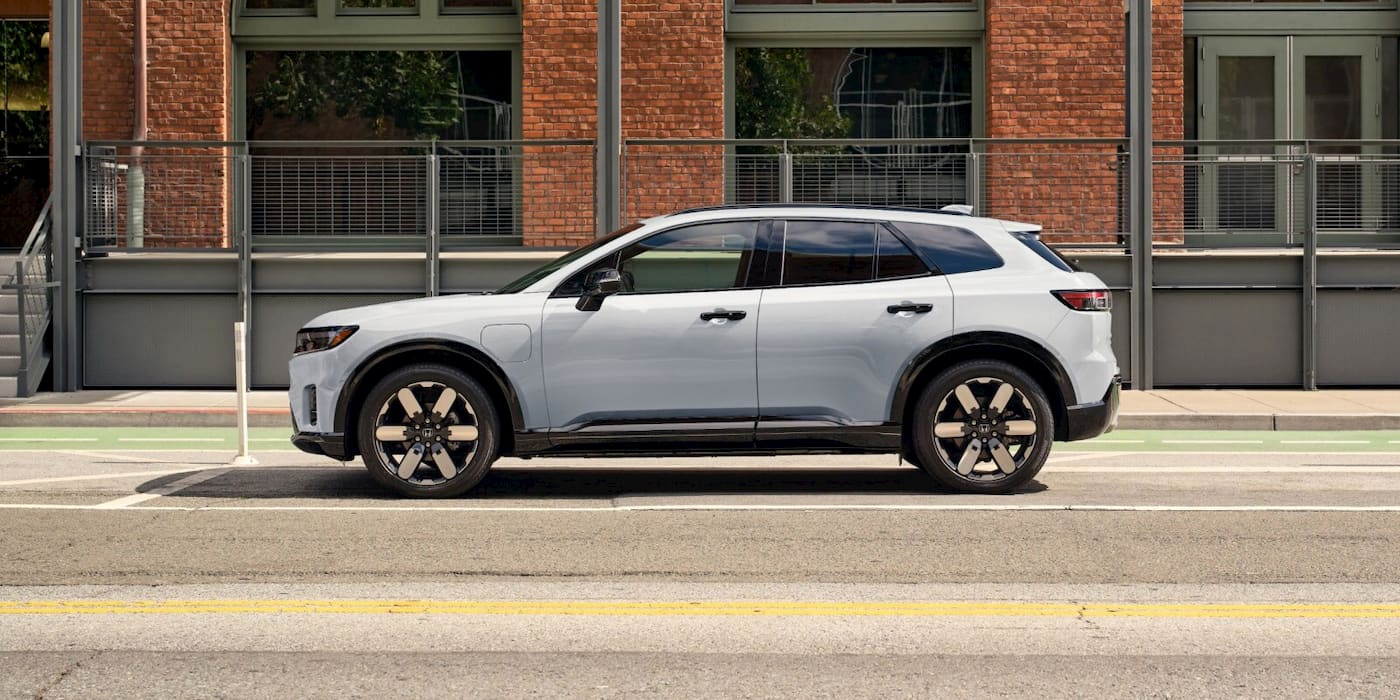
In a move that has sent shockwaves through the automotive world, Japanese auto giant Honda has officially pulled the plug on its flagship electric vehicle, the Honda Prologue. The decision leaves thousands of brand-loyal drivers marooned in an electric wasteland, wondering how an automotive pioneer could misread the market so catastrophically. As if cancelling their sole electric offering in the United States was not insult enough, Honda shocked customers by sending out communications urging current Prologue drivers to consider switching to a hybrid vehicle instead. For tech-forward drivers who spent years escaping the clutches of internal combustion engines, this suggestion felt less like advice and more like a total slap in the face.
The betrayal has sparked unprecedented outrage across EV forums, social media networks, and driver advocacy groups. Drivers who stepped into the clean, instant-torque world of pure electric driving are flatly refusing to take a step backward into the past. Once you experience the seamless power, quiet cabin, and sheer convenience of charging at home, returning to gas stations and tailpipe emissions is simply off the table. Yet, Honda seems convinced that electric adopters will meekly surrender their EV lifestyle and accept a gas-powered compromise.
Why EV Drivers are Outraged by Honda’s Hybrid Push
To understand the immense backlash, one must look at the massive gap between pure electric ownership and hybrid ownership. When Honda launched the Prologue, it promised a modern gateway into zero-emission transportation. Drivers traded in their old gas guzzlers expecting a long-term commitment from the manufacturer. Instead, they are being asked to return to complex internal combustion systems, oil changes, air filter replacements, and weekly visits to the local gas pump.
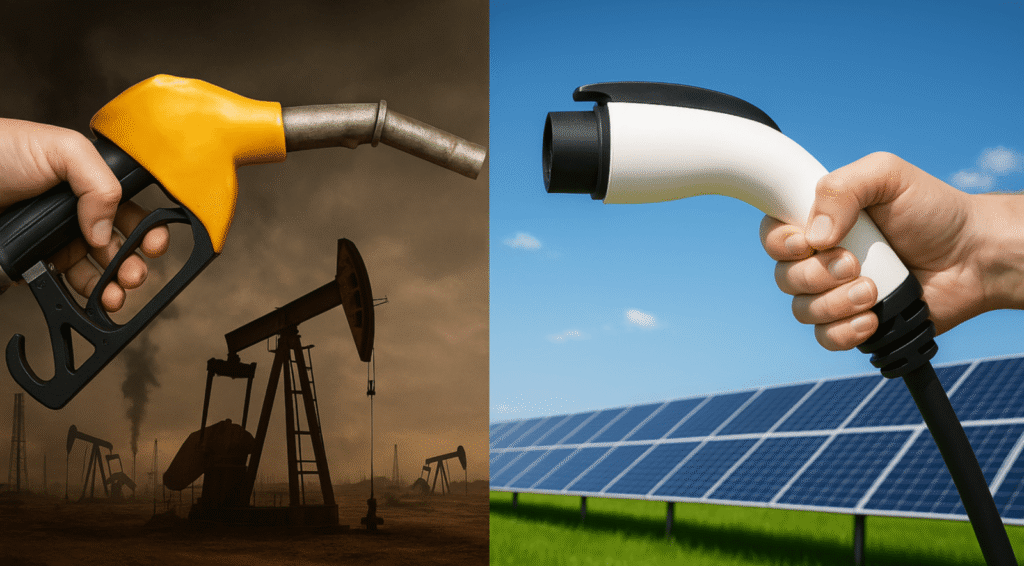
Reports from reliable automotive news sources like Electrek highlight a stark reality: virtually zero electric vehicle owners want to switch back to fossil fuels once they have made the jump. The benefits of pure electric driving are simply too overwhelming to ignore. Consider why drivers are standing their ground:
- Zero Gas Station Visits: Waking up every single morning with a full battery completely eliminates the chore of visiting dirty petrol stations.
- Instant Torque and Smooth Power: Electric motors deliver linear acceleration instantly, rendering traditional transmission lag and engine noise obsolete.
- Dramatically Lower Maintenance Costs: Without engine oil, spark plugs, timing belts, or complex exhaust systems, pure EVs require a fraction of the routine maintenance that hybrids demand.
- True Zero Tailpipe Emissions: Electric vehicles contribute to cleaner air and a smaller carbon footprint, a core motivation for modern EV buyers.
The Future of Electric Mobility Hangs in the Balance
Honda’s retreat from the pure electric market highlights a dangerous divide in the auto industry. While legacy automakers struggle with software integration, supply chains, and battery manufacturing costs, dedicated electric vehicle manufacturers continue to dominate the landscape. By abandoning the Prologue EV, Honda risks alienating an entire generation of eco-conscious consumers who will simply take their money directly to rival electric brands.
The decision to suggest hybrids reveals a fundamental misunderstanding of the modern consumer mindset. Hybrid vehicles served as a brilliant stepping stone fifteen years ago, but in today’s rapidly evolving market, they represent a compromise that dedicated EV drivers have already grown beyond. Asking an EV owner to drive a hybrid is like asking a smartphone user to switch back to a flip phone just because it has a longer battery life. It completely ignores the superior user experience that brought drivers to electric mobility in the first place.
As Honda attempts to pivot back toward hybrid technology, the message from the electric vehicle community is loud and clear: we are not going back. Drivers forced out of their Honda Prologues will not be buying Honda hybrids—they will be taking their business to automakers who remain genuinely committed to an all-electric future. The death of the Honda Prologue may not mark the end of the electric revolution, but it might very well mark the end of Honda’s relevance in the zero-emission race.