As temperatures skyrocketed to suffocating, record-breaking levels during an aggressive early July heatwave, energy grids across Vermont faced an unprecedented nightmare. Rolling blackouts seemed inevitable, and utility costs were poised to explode into terrifying territory for everyday residents. But behind the scenes, an invisible force stepped up to avert absolute economic and infrastructure catastrophe. Green Mountain Power deployed its secret weapon—a massive Virtual Power Plant (VPP)—slashing peak electricity costs by an astonishing $6 million in just a few agonizing days. This revolutionary achievement has left energy executives stunned and standard power providers scrambling to keep up with the future of grid management.
The Secret Energy Grid Saving Millions During Scorching Heatwaves
When extreme climate events hit, traditional energy infrastructures usually buckle under the relentless pressure of skyrocketing air conditioning demand. As power plants burn through costly, dirty peak-load fuels, ratepayers are routinely left holding the bill for astronomical surge pricing. However, Vermont’s largest energy initiative rewrote the rules of survival during the deadly summer heat. By utilizing thousands of interconnected residential battery systems distributed across the state, Green Mountain Power tapped into an invisible super-grid that neutralized the threat before the traditional grid could collapse.
This shocking turn of events proves that localized energy storage isn’t just an experimental fantasy—it is an economic fortress capable of protecting entire communities from financial ruin during peak climate crises. The seamless coordination of dispersed home energy systems provided critical relief exactly when the main grid was on the absolute brink of overload.
How Home Batteries Defeated the Summer Crisis
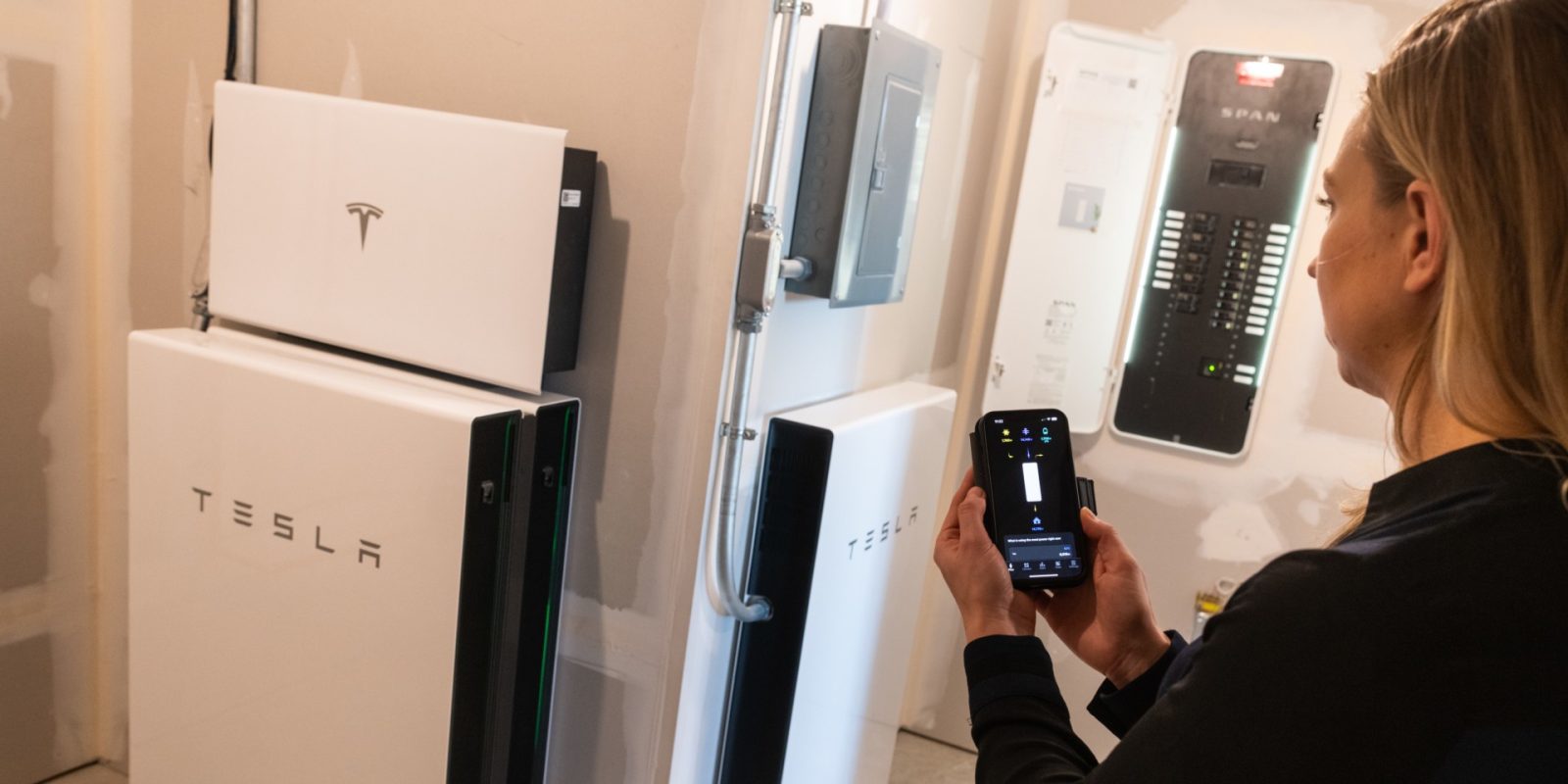
So how did this unseen network achieve such a mind-boggling financial miracle? A Virtual Power Plant operates by aggregating hundreds or thousands of decentralized energy resources, such as home energy storage units like Tesla Powerwalls, into a unified, controllable energy reserve. Instead of turning on expensive, high-polluting peaker plants that cost millions of dollars per hour to run, grid operators can seamlessly draw power stored in home batteries back into the local grid.
During the dangerous heat dome that blanketed Vermont in early July, the network performed flawlessly. The benefits extended far beyond just grid stabilization:
- Instant Surge Protection: The virtual network deployed gigawatt-hours of clean power instantaneously without spinning up dirty fossil fuel plants.
- Massive Financial Relief: Saved electricity consumers an astounding estimated $6 million in peak demand charges.
- Unmatched Grid Resilience: Prevented widespread regional blackouts and catastrophic voltage drops during peak heat hours.
- Democratized Energy Creation: Everyday homeowners became active defenders of the power grid, earning incentives while supporting their communities.
The Future of Clean Energy Is Right Under Our Noses
Industry analysts at Electrek and clean energy advocates worldwide are calling this event a massive turning point for modern utilities. The era of relying exclusively on giant, vulnerable power plants connected to fragile long-distance transmission lines is rapidly coming to an end. By shifting power from centralized monolithic utilities to localized residential networks, states can build an impenetrable shield against extreme weather and corporate price gouging.
As summer temperatures continue to shatter records year after year, the dramatic success of Vermont’s virtual power plant sends a loud and clear message to energy regulators across the globe: innovate or face catastrophic costs. Green Mountain Power has officially proven that clean, decentralized technology is no longer a luxury—it is the ultimate defense against high energy bills and catastrophic power failures.