The landscape of commercial transportation is undergoing a seismic shift, and at the center of this tectonic plate movement is Harbinger. In a recent high-stakes interview on Quick Charge, CEO John Harris revealed the inner workings of a company that isn’t just building trucks; they are building a new paradigm for the logistics industry. The announcement of their new low cab forward EV and EREV trucks has sent shockwaves through traditional manufacturers, signaling a future where diesel fumes are a relic of the past. The industry is currently watching with bated breath as this newcomer prepares to challenge the established giants of the trucking world with technology that looks more like science fiction than standard logistics.
The Massive Harbinger Revolution in Electric Trucking
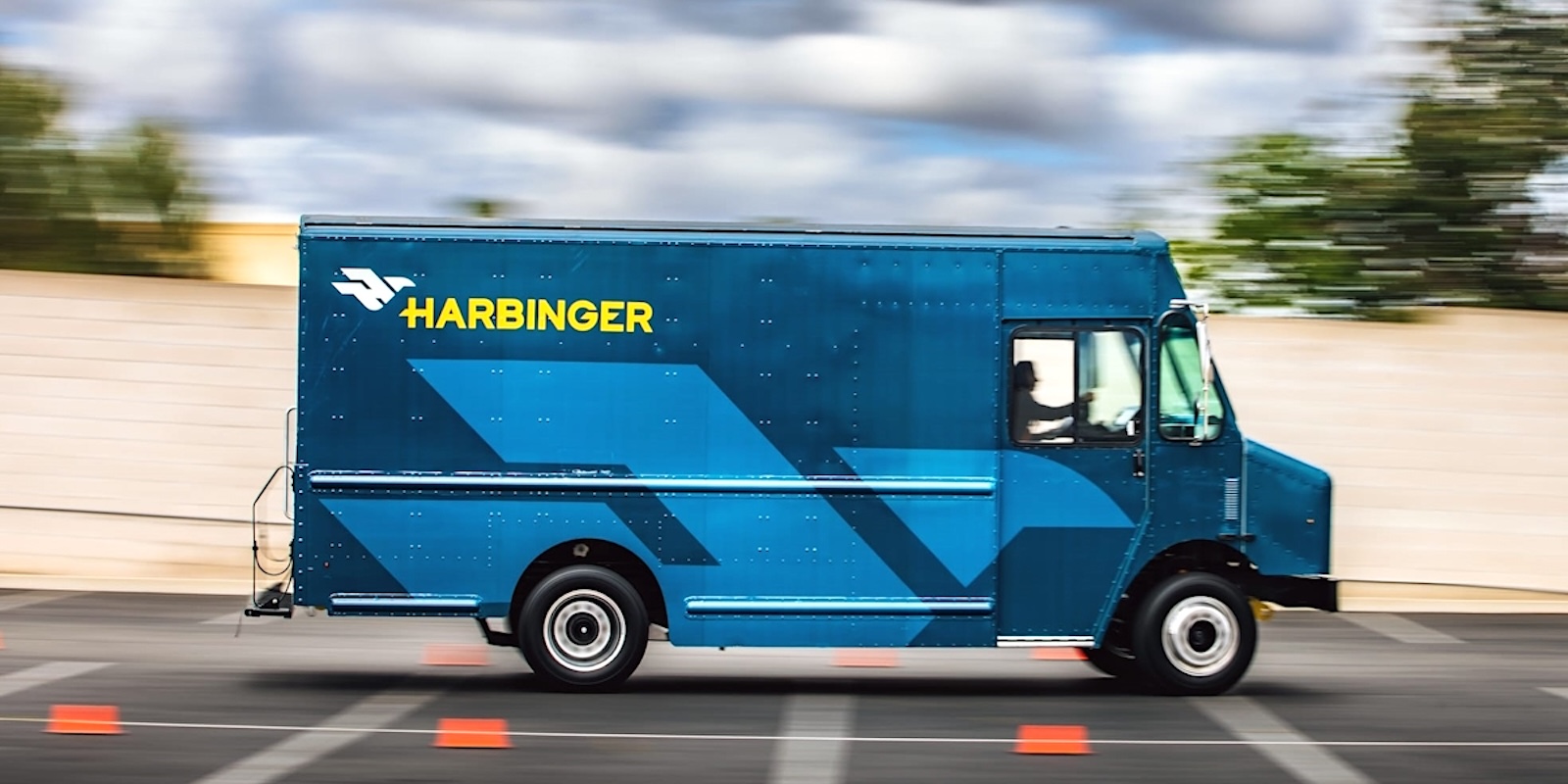
Harbinger is not your average startup. With a focus on the medium-duty sector, they are targeting the heart of the global delivery economy. Their new low cab forward design is a masterclass in engineering efficiency, designed to maximize every possible advantage. By placing the cab over the motor, Harbinger maximizes cargo space while maintaining a footprint that is nimble enough for tight city streets and congested urban corridors. This design isn’t just about aesthetics; it is about the bottom line for fleet operators who need every cubic inch of space to remain profitable in a hyper-competitive market. Every inch saved is an extra package delivered, and every delivery counts toward the ultimate goal of commercial dominance.
What truly sets Harbinger apart from the pack is their vertically integrated approach. While other manufacturers are scrambling to source components from third parties, Harbinger is developing their own proprietary chassis, powertrain, and battery management systems. This ensures that every component is optimized for the rigors of commercial use. The reliability of these systems is paramount, as a truck off the road is money down the drain. Harris emphasized that their trucks are built to withstand hundreds of thousands of miles of heavy-duty operation without the catastrophic failures associated with aging internal combustion engines. This vertical integration allows for a level of quality control and performance optimization that the ‘legacy’ players simply cannot match in the current market.
Breakthrough Battery Deals with Airstream
Perhaps the most shocking reveal from Harris was the industry-first battery deal with Airstream. This partnership signifies a convergence between the commercial vehicle space and the luxury recreational vehicle market. By supplying high-density battery systems to Airstream, Harbinger is proving that their technology is versatile enough to power everything from a local delivery van to a high-end mobile home. This deal provides Airstream with the capability to offer fully electric towing and off-grid living experiences that were previously impossible. Imagine a world where your vacation doesn’t depend on the availability of a gas station or a loud, vibrating generator.
For the consumer, this means longer trips, more reliable power, and a quieter camping experience that respects the nature people go to see. For Harbinger, it provides a massive revenue stream and a testing ground for their battery tech in diverse climates and conditions. The synergy between these two companies suggests that the ‘electric lifestyle’ is no longer a niche hobby for the wealthy but a mainstream reality. The implications for the grid and the environment are staggering, as more ‘glampers’ and logistics firms ditch the gas pump for the charging station. This is the kind of cross-industry collaboration that accelerates the transition to a sustainable future at a pace we have never seen before.
Why EREV Technology is the Ultimate Tesla Killer
While full battery electric vehicles (BEVs) get all the headlines, Harbinger’s commitment to Extended Range Electric Vehicles (EREV) is what truly terrifies the competition. An EREV uses a small internal combustion engine solely as a generator to charge the battery while driving, eliminating the dreaded range anxiety that plagues long-haul logistics. Harris argued that for many commercial applications, EREV is the bridge to a zero-emission future, allowing for 24/7 operation without waiting hours at a charger. This is a game-changer for businesses that cannot afford to have their assets sitting idle for hours every single day.
This technology allows fleets to maintain their current operational cadences while slashing fuel costs and emissions significantly. It is a pragmatic solution to a complex problem. As the charging infrastructure continues to play catch-up with the demand for power, Harbinger’s EREV trucks offer a ‘have your cake and eat it too’ scenario for business owners. They get the torque and low maintenance of an electric motor with the range security of a hybrid. This strategic move positions Harbinger ahead of companies like Tesla, which have struggled to bring heavy-duty long-range haulers like the Semi to the mass market at scale. For more information on their vision, visit the official Harbinger Motors website to see how they are redefining the road. The future isn’t just coming; it’s already here, and it is wearing a Harbinger badge.
In conclusion, the Harbinger story is just beginning, but the opening chapters are already thrilling. With John Harris at the helm and a suite of innovative trucks ready for the assembly line, the entire automotive industry is on high alert. Whether you are a fleet manager looking to save on overhead or an EV enthusiast watching the market evolve, the message is clear: the Harbinger has arrived, and the road will never be the same again.