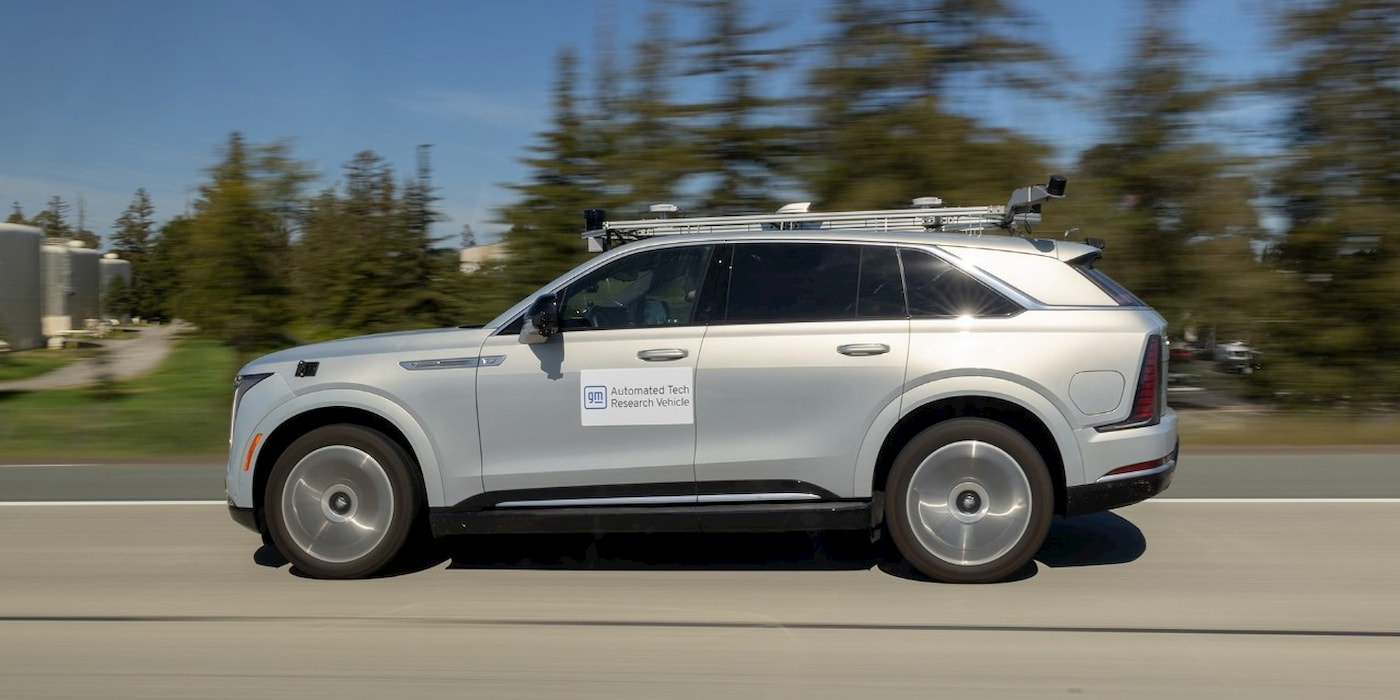
The Cadillac Escalade IQ, GM’s largest electric SUV, is officially the first vehicle to hit the road with next-gen self-driving tech that is sending shockwaves through the automotive industry. This isn’t just another incremental update; it is a full-scale revolution in how we perceive the act of travel. As the massive EV begins its rollout, the world is watching to see if General Motors has finally cracked the code for a truly autonomous future.
The Era of Hands-Free Luxury: Cadillac Leads the Charge
For decades, the Escalade has been the ultimate symbol of gas-powered American excess. However, the IQ model represents a pivot toward a high-tech, electrified future where the driver is no longer the center of the experience. General Motors has poured billions into its Ultium platform, but the crown jewel of this investment is the sophisticated software that powers the vehicle’s autonomy. This next-gen self-driving suite is designed to go beyond the capabilities of current driver-assistance systems, aiming for a true ‘eyes-off’ experience that could change your morning commute forever.
The sheer scale of the Escalade IQ makes its autonomous capabilities even more impressive. Weighing in at several tons, this electric beast requires a staggering amount of processing power to navigate the complexities of modern traffic. With an array of LiDAR sensors, high-definition cameras, and ultrasonic detectors, the vehicle creates a 360-degree digital safety bubble. The onboard computer processes data faster than the human brain, allowing the Escalade IQ to make split-second decisions that ensure the safety of its passengers and everyone else on the road.
Safety or Scandal? The Risks of Next-Gen Autonomy
As with any technological leap, the introduction of ‘eyes-off’ driving has sparked a firestorm of controversy. Critics and safety advocates are questioning whether the public is ready for such a massive vehicle to be controlled by algorithms. The legal implications are equally complex: if a self-driving car is involved in an accident, who is held responsible? While GM maintains that their system is rigorously tested and safer than a human driver, the headlines are already filled with sensationalist debates about the ‘death of the driver.’
Despite the pushback, the market demand for GM Ultium technology is reaching a fever pitch. Luxury buyers are increasingly interested in reclaiming their time. Imagine a world where you can hold a board meeting, watch a movie, or enjoy a meal while your car navigates the heavy traffic of a metropolitan highway. This promise of ultimate convenience is what makes the Escalade IQ one of the most anticipated vehicles of the decade, regardless of the skepticism from regulators.
Why Size Matters: The Escalade IQ’s Dominance
The Cadillac Escalade IQ isn’t just about software; its physical engineering is a marvel in its own right. Equipped with a massive 200 kWh battery pack, it offers an estimated 450 miles of range, silencing critics who claim that big EVs can’t go the distance. The extra space provided by its massive frame allows for redundant safety systems—essentially two of everything—to ensure that if one part of the self-driving hardware fails, another takes over instantly. This level of redundancy is what sets Cadillac apart from its competitors like Tesla and Rivian.
Inside the cabin, the experience is more akin to a private jet than a traditional SUV. A 55-inch diagonal LED display spans the entire dashboard, providing a cinematic interface for both the ‘driver’ and the passengers. With the next-gen autonomous tech engaged, the interior becomes a sanctuary of silence and light, isolated from the chaos of the outside world. As we look toward the mid-2020s, the Escalade IQ stands as a bold testament to GM’s ambition to lead the world into an era where the car is no longer a tool, but a sentient companion on the road.