In a turn of events that has left Wall Street analysts rubbing their eyes in disbelief, General Motors (GM) has announced a staggering first-quarter earnings beat that few saw coming. But as the dust settles on the financial reports, a sensational narrative is emerging: this wasn’t just about selling more SUVs or high-tech electric vehicles. This was a legal masterstroke that culminated in a half-billion-dollar windfall, thanks to a landmark decision from the U.S. Supreme Court regarding controversial Trump-era tariffs.
The $500 Million Legal Gamble That Paid Off
For years, the automotive industry has been entangled in the complex web of trade wars and protective tariffs. GM, however, decided to fight back against the status quo. The core of the issue dates back to the Trump Administration’s aggressive tariff policies, which imposed significant costs on imported materials and parts essential for modern vehicle manufacturing. While many companies simply absorbed these costs or passed them on to the consumer, GM launched a quiet but fierce legal battle to reclaim what they believed was rightfully theirs. The U.S. Supreme Court finally weighed in, and the result was nothing short of a financial explosion for the automaker.
The court’s decision to mandate a refund of approximately $500 million has effectively padded GM’s bottom line, allowing them to report earnings that far exceeded even the most optimistic projections. This isn’t just a win for GM; it is a seismic shift in how corporate giants might challenge federal trade policies moving forward. Investors are already scrambling to understand the long-term implications of this ruling, as it sets a precedent that could see other manufacturers lining up for their own piece of the refund pie. This injection of cash provides GM with the liquidity needed to accelerate its aggressive expansion into the electric market.
The Trump Tariff Legacy and the EV Revolution
The intersection of politics and the automotive industry has never been more volatile than it is today. The tariffs in question were originally designed to protect domestic industries, but for a global player like GM, they often served as a double-edged sword. By securing this massive refund, GM has not only bolstered its cash reserves but has also signaled a significant shift in the economic landscape of the Detroit giants. This massive influx of capital comes at a critical juncture as the company continues its pivot toward a fully electric future, a transition that has proven to be more expensive than many anticipated.
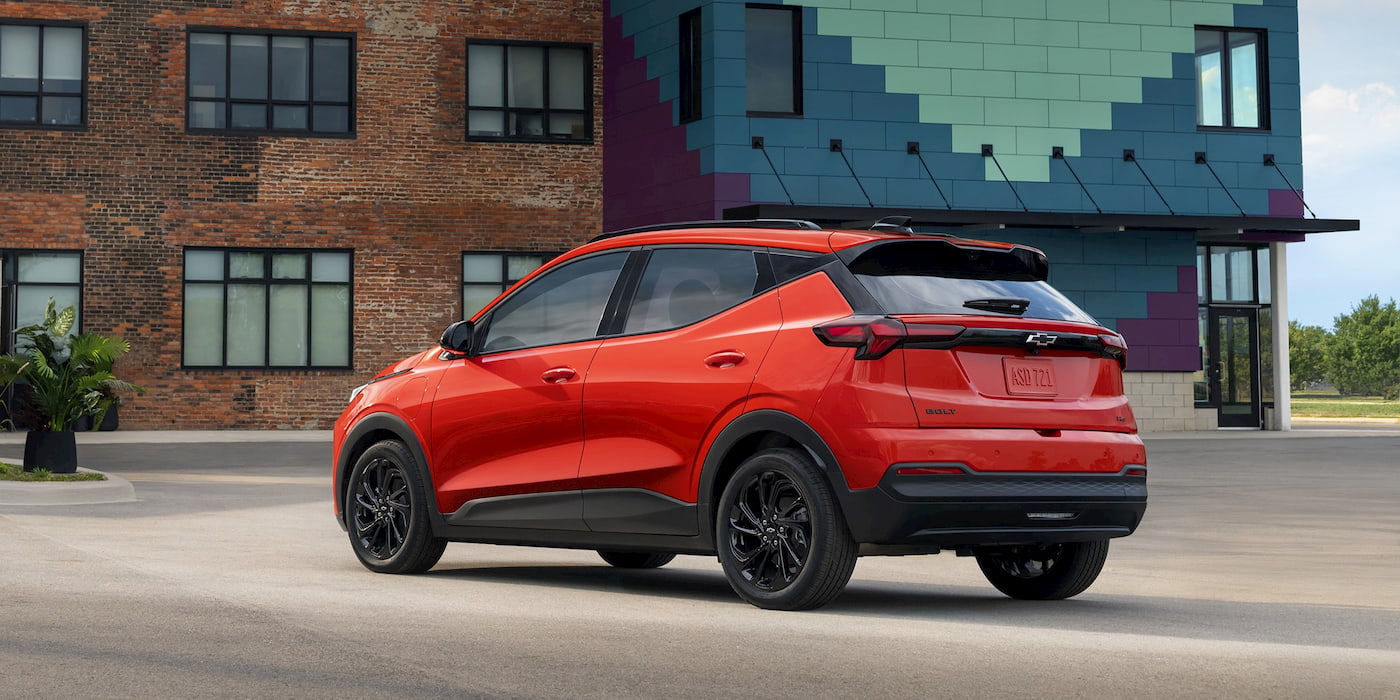
With the release of the new Bolt EV and other upcoming models, the pressure is on to maintain momentum. The $500 million serves as a vital cushion as the company navigates the “valley of death” between internal combustion engine profits and the high-capital-intensity world of battery production. You can find more details on their investor relations page regarding the specific breakdown of these quarterly gains and how they plan to allocate the funds. The question now remains: can they sustain this momentum without the help of one-time legal victories?
Can GM Hold the #2 Spot in the EV Race?
Despite the financial celebration happening in the boardrooms, a shadow of uncertainty looms over GM’s status as the second-largest electric vehicle seller in the United States. While they currently hold the silver medal, the competition is breathing down their necks. Tesla remains the undisputed king, but domestic and international rivals are closing the gap with lightning speed. The sensational Q1 beat might look great on paper, but critics argue that the underlying sales figures need to show more organic growth to satisfy long-term investors. A $500 million windfall is a one-time event; the market demands consistent growth.
The Chevy Bolt EV remains a cornerstone of their strategy, offering an accessible entry point for consumers wary of the high price tags often associated with the EV transition. However, as supply chains stabilize and new players enter the market, GM will need to use every penny of that $500 million refund to innovate and scale their production lines. The industry is watching closely to see if they can turn this legal win into a permanent market advantage. Will this Supreme Court victory be the fuel that drives GM to the top of the podium, or is it merely a temporary distraction from the grueling reality of the global EV war? One thing is certain: the stakes have never been higher, and General Motors is playing for keeps in a market that takes no prisoners.
As we move deeper into 2026, the narrative of the American automotive industry is being rewritten before our eyes. It is no longer just about horsepower and torque; it is about legal prowess, trade navigation, and the relentless pursuit of battery dominance. GM has proven they can win in the courtroom; now they must prove they can win the hearts and wallets of every driver on the road in a post-tariff world.