The Electric Pivot: Why GM and LG are Walking Away from EV Production
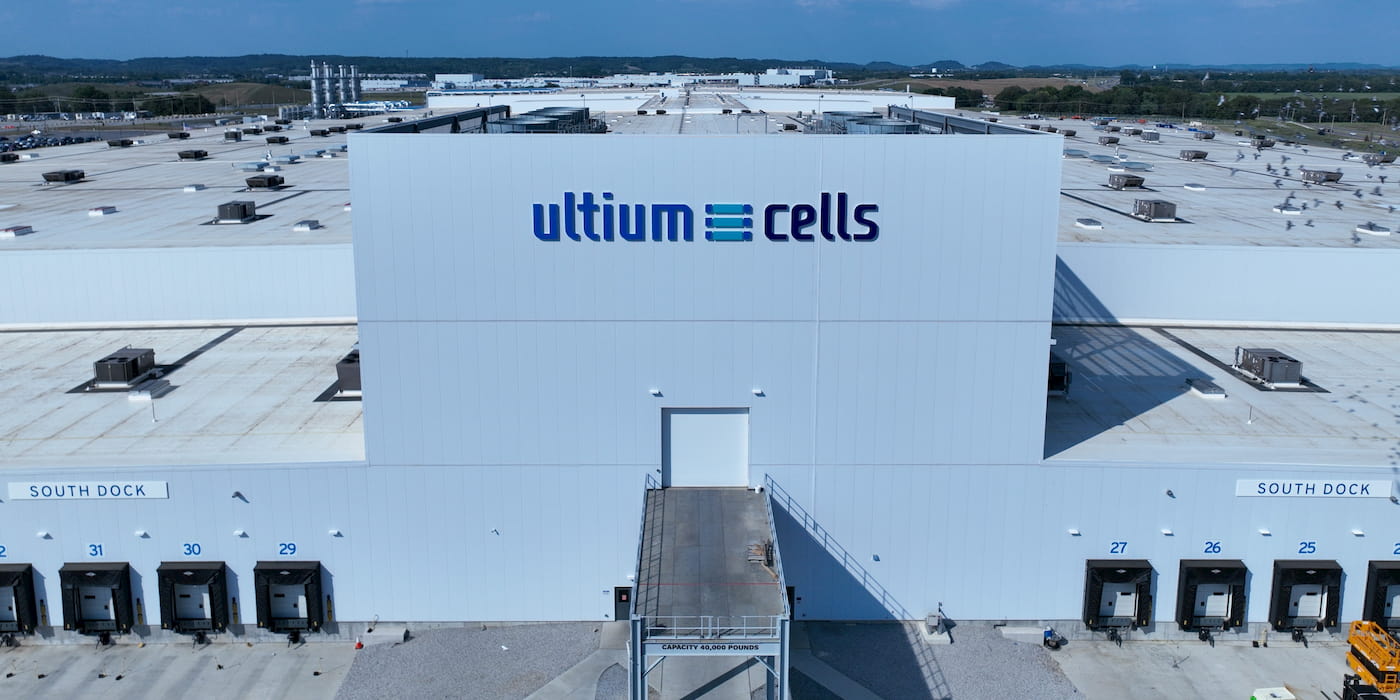
In a move that has sent shockwaves through the automotive and energy sectors, Ultium Cells—the high-profile joint venture between General Motors and LG Energy Solution—has announced a dramatic strategic pivot. While the world expected a relentless push toward passenger electric vehicles (EVs), the partnership is instead diverting a significant portion of its United States-based battery production toward energy storage systems (ESS). This transition marks a fundamental shift in how the industry views the future of battery technology and market demand.
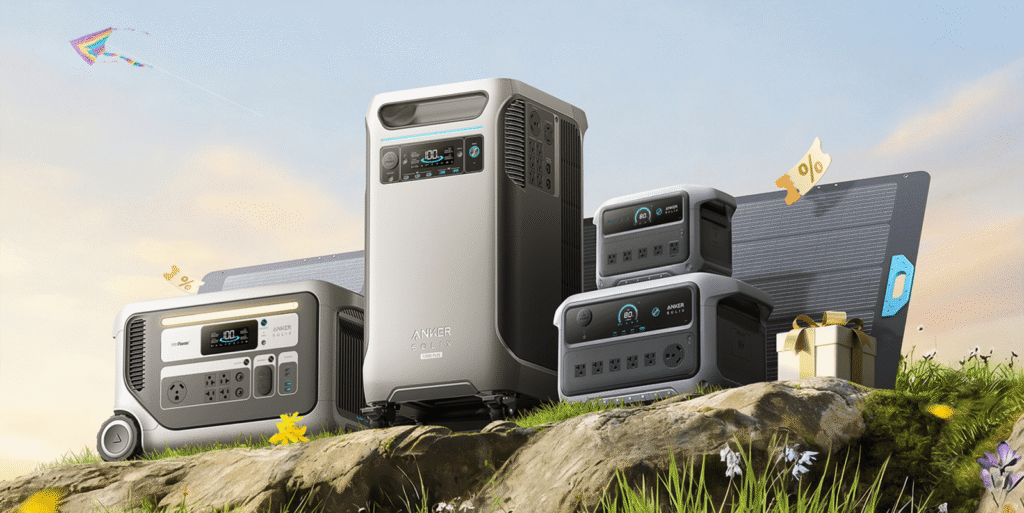
The decision to pivot comes at a time when the EV market is facing unprecedented volatility. While sales continue to grow in certain segments, the breakneck pace of adoption that many analysts predicted has hit various infrastructure and economic hurdles. By shifting production to energy storage, GM and LG are not just hedging their bets; they are positioning themselves at the center of the renewable energy revolution. The grid needs more than just cars; it needs massive reservoirs of power to manage the intermittent nature of solar and wind energy. This move signals a broader realization that the path to a carbon-neutral future is as much about how we store power for our homes and businesses as it is about how we power our transportation.
The Rise of Energy Storage: A New Frontier for Ultium Cells
Why would a joint venture specifically designed to power the next generation of Chevrolet, GMC, and Cadillac EVs suddenly look toward the utility sector? The answer lies in the massive untapped potential of the ESS market. As the United States moves toward a greener grid, the demand for industrial-scale battery backups has skyrocketed. These systems are essential for stabilizing the power grid during peak demand and ensuring that renewable energy is available even when the sun isn’t shining or the wind isn’t blowing. For more technical insights on the global battery landscape, you can visit Electrek for the latest industry updates.
This shift suggests that Ultium Cells sees a more immediate and perhaps more stable profit margin in the storage sector. The infrastructure required for ESS is less complex than the high-performance cooling and safety systems needed for vehicle-grade packs. Furthermore, by focusing on ESS, the joint venture can utilize different chemistries that are better suited for stationary use, where weight and energy density are less critical than in a moving vehicle. This agility allows the Tennessee plant and other facilities to remain operational and profitable even if EV adoption rates fluctuate in the short term. The ability to pivot between transport and stationary storage is a strategic masterstroke that secures the joint venture’s future.
The LFP Revolution: Cheaper, Safer, and Smarter Power
Central to this production shift is the implementation of Lithium Iron Phosphate (LFP) technology. Unlike the Nickel Cobalt Manganese (NCM) batteries typically used in high-performance EVs, LFP batteries are known for their longevity, safety, and lower cost. While they may offer slightly less energy density, they are perfect for stationary storage where physical space is less of a constraint. By moving toward LFP, Ultium Cells is effectively lowering its production costs while addressing a massive market need that has been begging for more affordable solutions. The safety profile of LFP is also a major selling point for large-scale utility installations, where fire risk management is a top priority.
This move also has massive implications for the American supply chain. By manufacturing these LFP-based storage units on US soil, GM and LG are securing a foothold in a market that has been largely dominated by overseas manufacturers. This domestic production capability is a huge win for energy security and manufacturing jobs in regions like Tennessee. The ripple effects of this decision will be felt for years, as other automakers and battery giants watch closely to see if this pivot pays off. The era of the battery isn’t just about what’s under the hood of your car—it’s about what’s powering the entire country and how we stabilize our energy future. In conclusion, the news that Ultium Cells is redirecting its resources represents a tactical masterclass in market adaptation. While some may see it as a retreat from the EV front, it is more accurately described as an expansion into the very foundation of the modern energy economy.