The End of Coal? 80GW of Clean Power is Coming
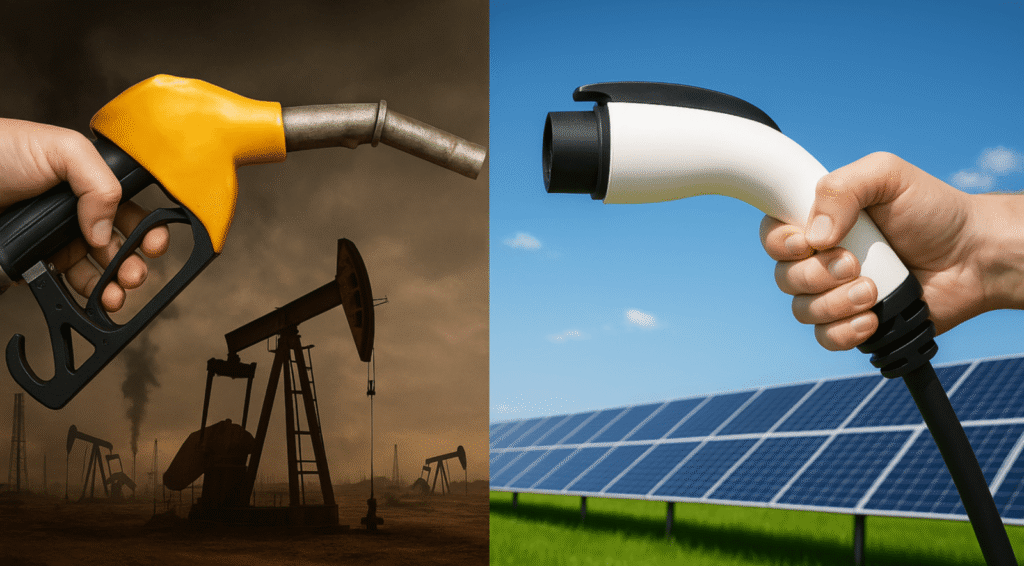
The United States energy landscape is on the verge of a transformation so radical that experts are calling it the ‘Green Tsunami.’ According to recent figures released by the US Energy Information Administration (EIA), a staggering 80 gigawatts (GW) of new renewable generating capacity is set to flood the national grid by February 2027. This isn’t just a minor shift in policy; it is a complete overhaul of how America powers its homes, businesses, and heavy industries. As the sun rises on a new era of utility-scale solar and wind, the shadows are lengthening for the traditional energy sector. For the first time in history, we are witnessing the terminal decline of the fossil fuel empire in real-time.
The data, reviewed by the SUN DAY Campaign, paints a picture of a nation in the midst of an unstoppable transition. While the expansion of green technology reaches fever pitch, the old guard—coal, gas, and nuclear—is facing a brutal contraction. The EIA projects that while 80GW of clean energy comes online, fossil fuel and nuclear capacity will simultaneously drop by nearly 5GW. This net loss for traditional energy sources marks a historic pivot point. The industrial complex that fueled the 20th century is being dismantled piece by piece, replaced by high-tech arrays of silicon and steel that harvest energy from the heavens.
Breaking Down the EIA Data Surge
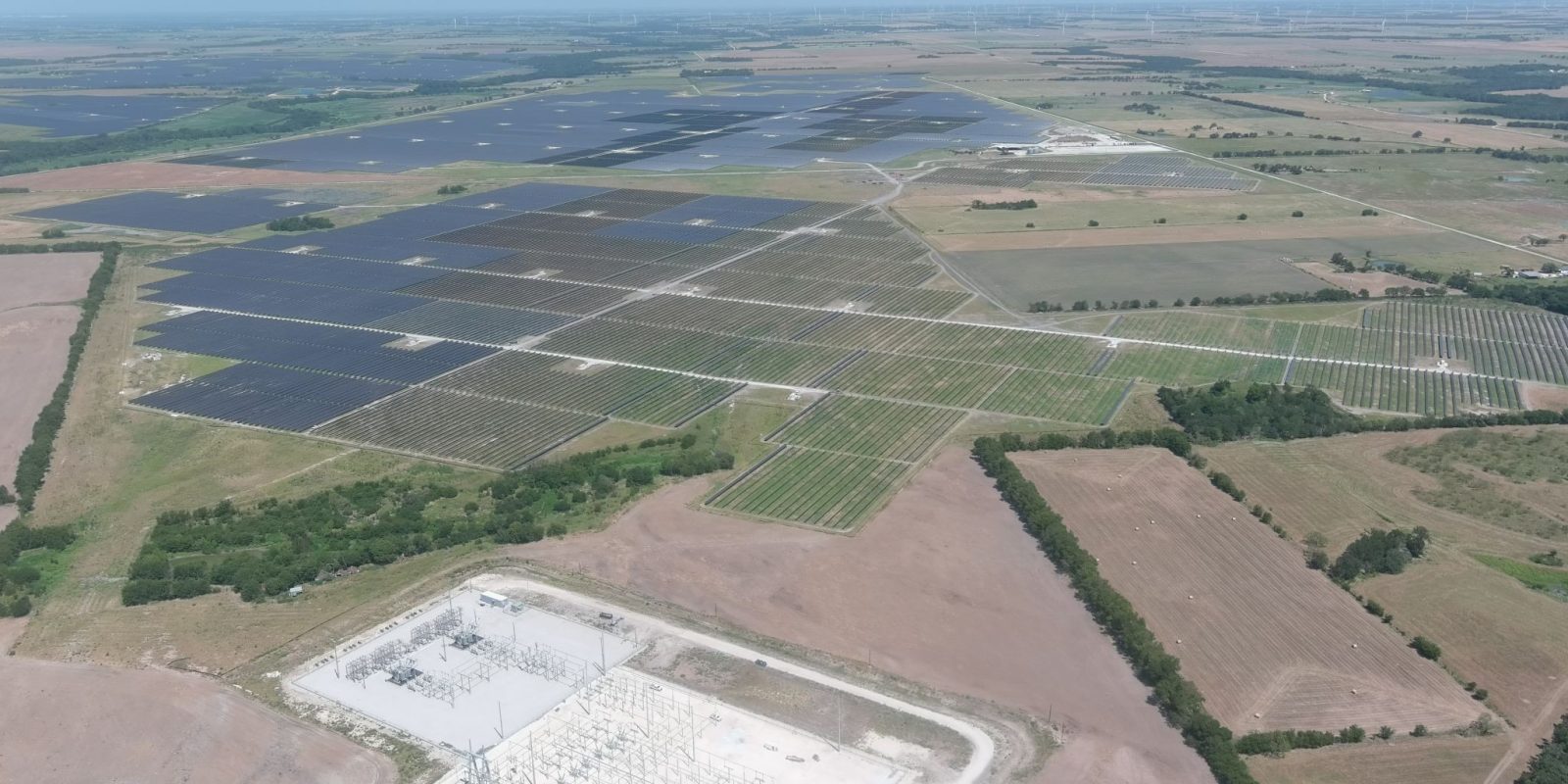
To understand the sheer scale of this growth, one must look at the components driving the 80GW surge. Utility-scale solar power is the undisputed king of this revolution. Massive solar farms, some covering thousands of acres, are being fast-tracked across the Sun Belt and beyond. These installations are no longer experimental; they are the most cost-effective way to generate electricity in the modern market. Accompanying solar is the rapid deployment of wind energy, particularly in the gusty corridors of the Midwest, where turbines are growing taller and more efficient than ever before.
However, the real ‘secret weapon’ in this energy war is battery storage. For years, critics of renewable energy pointed to the sun not shining and the wind not blowing as fatal flaws. That argument is being systematically dismantled. The upcoming 80GW includes a massive influx of utility-scale battery systems designed to store excess energy and discharge it during peak demand. These ‘mega-batteries’ are the glue holding the new grid together, ensuring that the lights stay on even when the weather doesn’t cooperate. This technological breakthrough is what allows for the decommissioning of coal and gas plants that previously served as ‘baseload’ power.
Why Fossil Fuels are Losing the War
The retirement of nearly 5GW of fossil fuel and nuclear capacity is not a fluke; it is the result of cold, hard economics. Building new coal plants is now significantly more expensive than building new solar or wind farms. Furthermore, the aging infrastructure of the existing coal fleet means that maintenance costs are skyrocketing. Investors are fleeing carbon-heavy assets in favor of ESG-compliant portfolios, leaving traditional energy companies with stranded assets and dwindling profits. The transition is being documented by organizations like the official EIA datasets, which track every megawatt of change across the country.
The SUN DAY Campaign’s review highlights a critical trend: the speed of this transition is accelerating. What was once a gradual shift has turned into a sprint. As we approach the February 2027 deadline, the pressure on the traditional energy sector will only intensify. The shift includes several key factors:
- Rapid decommissioning of aging coal-fired power plants.
- The closure of non-competitive nuclear facilities that cannot keep up with low-cost solar.
- A massive influx of federal subsidies and tax credits for domestic renewable manufacturing.
- A surge in private sector demand for 24/7 carbon-free energy.
- Enhanced grid modernization projects to handle decentralized power sources.
Ultimately, the move toward 80GW of new capacity is more than just an environmental victory; it is a matter of national security and economic survival. By diversifying the grid and reducing reliance on volatile global fuel markets, the US is positioning itself as a leader in the next industrial age. The next three years will be the most transformative in the history of the American utility sector. The question is no longer if the green revolution will happen, but how quickly the old world will fade away.