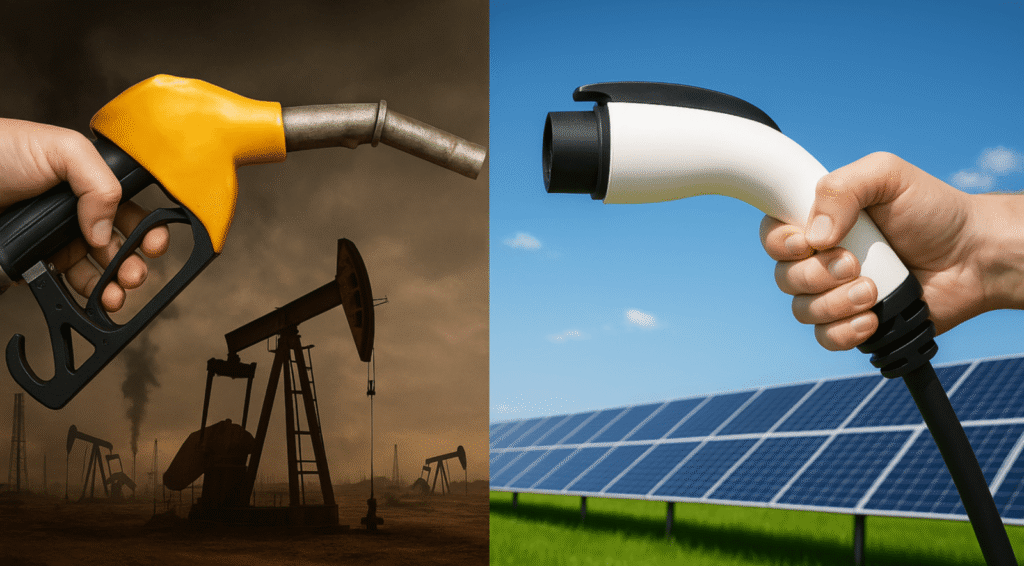

The mining industry is witnessing a tectonic shift that is sending shockwaves through the global energy sector. For decades, the massive, earth-shaking roar of diesel-powered haul trucks was the synonymous sound of mineral extraction and industrial progress. However, that era is coming to a crashing halt. Fortescue, the Australian mining behemoth, is currently leading a charge toward zero emissions that is not just saving the planet—it is saving them an absolute fortune. According to recent financial analysis, the company’s aggressive pivot to electric mining equipment is netting them nearly $400 million in annual fuel savings.
The $400 Million Diesel Death Sentence
The scale of these savings is difficult to overstate. While many critics of the green energy transition point to the high initial capital expenditure of electric vehicles, Fortescue is proving that the long-term ROI is undeniable. By replacing traditional combustion engines with high-capacity battery-electric systems, the company has bypassed the volatile diesel market entirely. This move has created a financial buffer that few of its competitors can match. The transition involves more than just swapping engines; it requires a total reimagining of the mining site, including the installation of massive charging infrastructure and autonomous management systems.
Interestingly, the $400 million figure was calculated before the recent geopolitical escalations in the Middle East. With the conflict in Iran sending global oil prices into a tailspin, the actual savings for Fortescue today are likely significantly higher. By decoupling their operations from the fossil fuel supply chain, they have effectively insulated their bottom line from the chaos of international oil politics. This strategic foresight is now being hailed as a masterclass in modern industrial management.
The Liebherr Partnership and Zero-Emission Tech
At the heart of this revolution is Fortescue’s partnership with equipment giants like Liebherr. The deployment of the T264 electric haul truck represents a pinnacle of engineering. These machines are not merely converted diesel trucks; they are ground-up electric monsters designed to handle the most grueling environments on Earth. Some of the key advantages of this new fleet include:
- Elimination of diesel particulate matter, improving air quality for workers.
- Significantly lower maintenance costs due to fewer moving parts in electric drivetrains.
- Regenerative braking systems that capture energy as trucks travel downhill, feeding power back into the battery.
- Integration with Fortescue’s proprietary green energy grid, powered by wind and solar.
As noted by industrial analysts like Gavin Mooney, the efficiency gains are transformative. Each year, the savings stack up, allowing the company to reinvest in even more advanced green technologies, creating a virtuous cycle of decarbonization and profit.
The Geopolitical Shift: Energy Security in a Volatile World
The broader implications of Fortescue’s success go far beyond the mining pit. As the global economy grapples with the fallout from the war in Iran and the subsequent spike in energy costs, the move toward self-sufficiency via renewables has become a matter of national security. Fortescue is no longer at the mercy of global shipping lanes or foreign oil refineries. They are essentially becoming their own utility provider, generating the power they need to extract the minerals the world craves.
This shift is forcing other mining giants to accelerate their own decarbonization timelines. If Fortescue can save nearly half a billion dollars annually while reducing their carbon footprint to zero, the competitive pressure on companies still tethered to diesel is becoming unbearable. We are seeing the birth of ‘Green Iron’—a product that is not only cleaner to produce but cheaper to bring to market. The message to the industry is clear: go green, or go broke. The electric revolution is no longer a future prospect; it is a current reality that is redefining the economic landscape of the 21st century.