While all eyes have been glued to sleek high-tech passenger electric vehicles and billionaire space races, an invisible giant has quietly seized control of the world’s supply chains. Forget consumer electric cars or ultra-hyped luxury sedans—the real electric revolution that is rapidly reshaping modern global commerce isn’t happening on the highway. It is exploding right inside the sprawling warehouses powering global consumerism. Autonomous electric forklifts are abruptly disrupting multi-billion-dollar logistics sectors, and if you haven’t been paying attention, you are already dangerously behind!
The Silent Powerhouse Driving Global Supply Chain Transformation
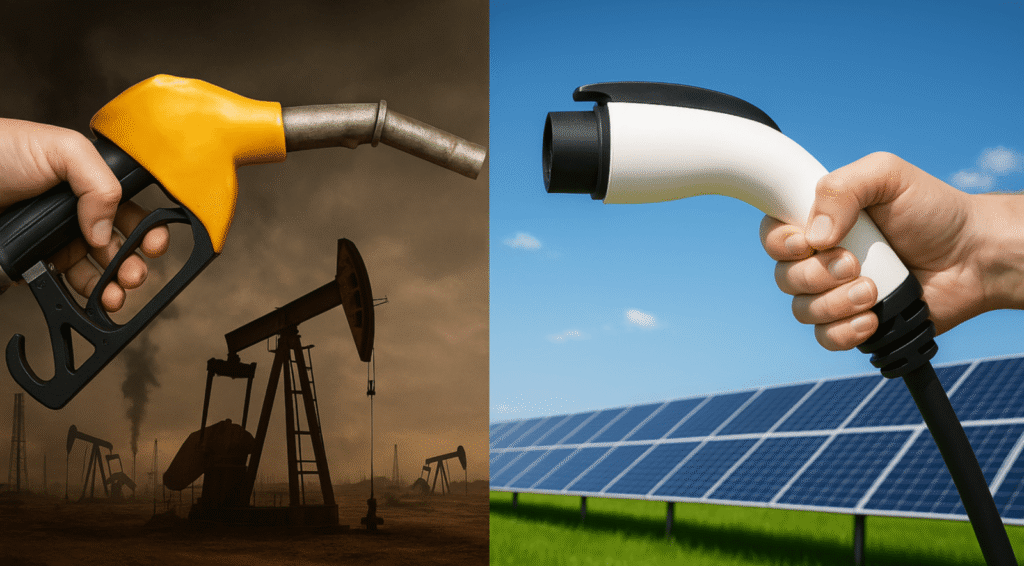
The industrial equipment world was once defined by roaring, fume-belching diesel monsters and hazardous indoor emissions. However, zero-emission mandates, skyrocketing fuel overheads, and intense labor shortages have forced an unprecedented seismic shift. Today, heavy-duty material handling equipment is undergoing a breathtaking technological metamorphosis. Battery-powered machinery is no longer just an eco-friendly option; it has rapidly transformed into an absolute operational necessity for survival in the cutthroat modern economy.
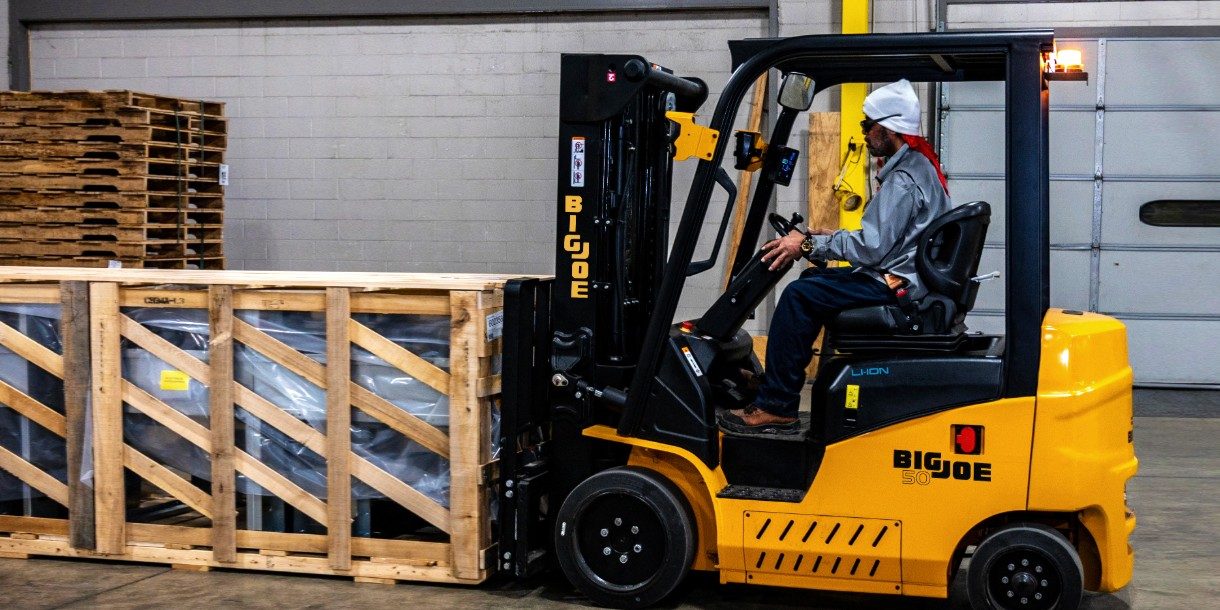
During a recent explosive episode of the popular show, Quick Charge interview specialists revealed how material handling giants are utterly rewriting the rulebook. Featuring Martin Boyd, Chief Marketing Officer at industry heavyweight Big Joe, the discussion highlighted how lithium-ion tech and sophisticated software are accelerating productivity at rates previously deemed impossible by traditional logistics experts.
Autonomous Tech Meets Massive Heavy-Duty Machinery
What is truly captivating industry insiders isn’t merely the transition to high-capacity lithium batteries—it’s the unbelievable integration of full autonomy. Modern electric forklifts are no longer simple lifting machines operated manually by human drivers. They are highly intelligent, self-navigating robots equipped with advanced LIDAR, complex neural networks, and real-time operational sensors capable of precision movement inside high-density distribution centers.
These self-driving electrical workhorses operate continuously without human intervention, drastically slashing workplace accident statistics while simultaneously boosting warehouse throughput across the globe. By completely eliminating hazardous tailpipe emissions and significantly reducing human error, these autonomous units are establishing unprecedented benchmarks for occupational safety and efficiency.
Big Joe CMO Unveils the Shocking Future of Warehouse Logistics
Martin Boyd brought stunning insights to light regarding how rapidly these battery-powered assets are changing daily consumer life behind the scenes. Every time an online customer orders a package for overnight delivery, there is an extraordinarily high probability that an autonomous electric forklift handled that cargo. From moving massive multi-ton pallets across giant distribution networks to managing micro-fulfillment urban centers, these electrified systems are working around the clock behind closed doors.
The shift toward smart electrification goes far beyond just replacing internal combustion engines. It completely redefines asset management. Lithium-ion technology enables fast opportunity charging, allowing these autonomous fleets to top off their power during brief operational lulls without needing massive, dedicated battery-swapping infrastructure. The resultant energy savings and operational flexibility are shaking the roots of traditional manufacturing and distribution paradigms.
Why Industry Giants Are Ditching Gas Vehicles Immediately
The global economic forces driving this unstoppable shift are brutal and immediate. Corporate enterprise leadership teams are realizing that staying tied to legacy gas-powered equipment is financial suicide. With spiraling maintenance costs, rising fuel prices, and aggressive corporate sustainability commitments looming large, the migration to autonomous electric solutions is accelerating at a staggering pace.
The sensational reality is crystal clear: the industrial electrification wave is far larger, far more lucrative, and infinitely more impactful than most consumer-facing EV trends combined. As companies like Big Joe double down on high-tech innovation, the future of material handling has officially arrived—and it is fully electric, mind-bogglingly autonomous, and impossible to ignore!