The End of Expensive Infrastructure?
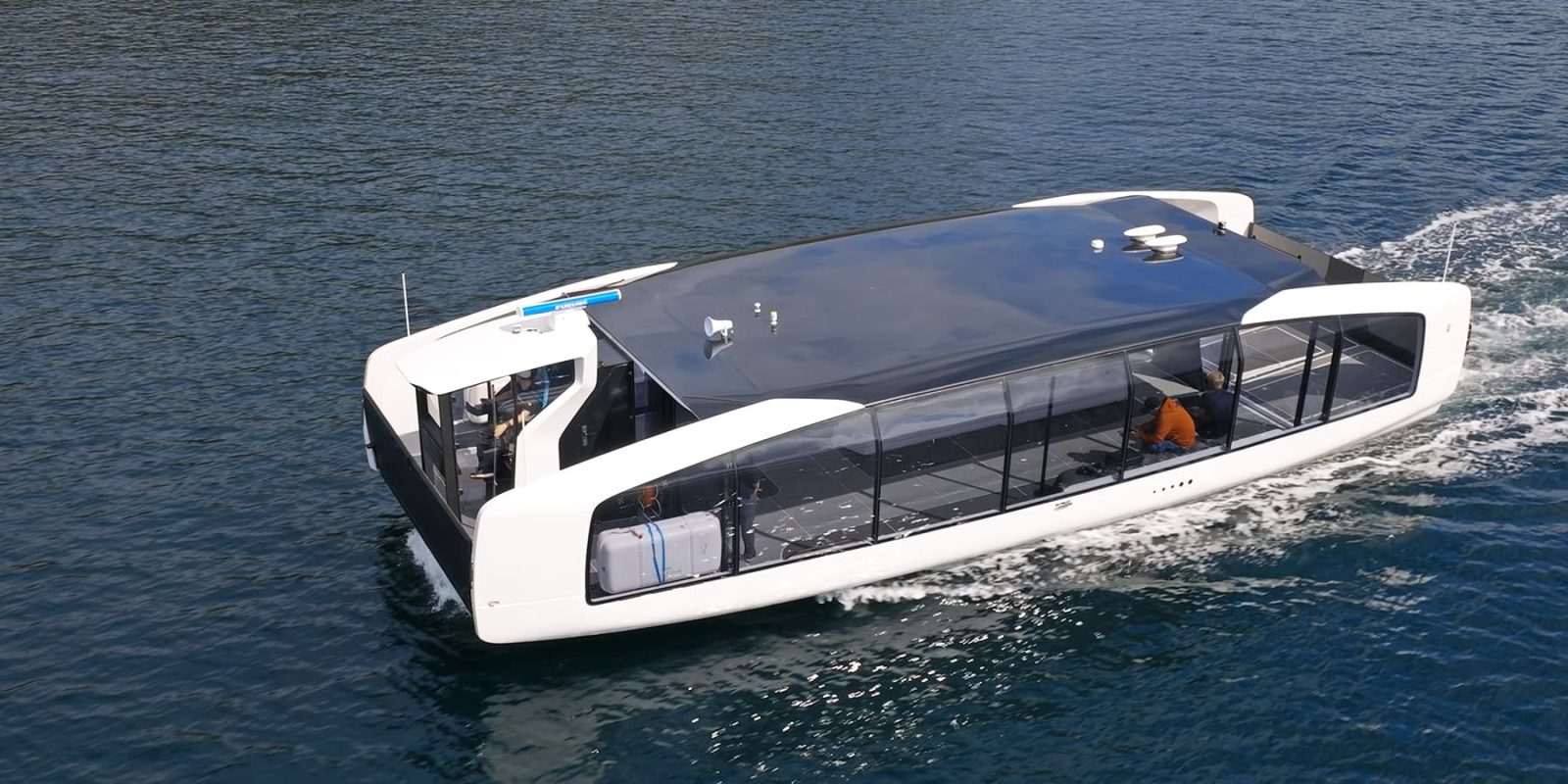
For centuries, the solution to crossing a river in a crowded city was simple: build a massive, expensive, and permanent bridge. However, the tides are turning. A groundbreaking pilot project in Norway is currently demonstrating that the future of urban mobility isn’t made of concrete and steel—it is powered by batteries and floating on the water. This futuristic electric ferry, developed by the visionary team at Hyke, is proving that boats are not just a nostalgic mode of transport but a high-tech replacement for multi-million dollar infrastructure projects.
City planners across the globe are facing a crisis of congestion and crumbling infrastructure. The cost of maintaining traditional bridges is skyrocketing, and the environmental impact of their construction is often devastating to local ecosystems. Enter the electric ferry. By utilizing advanced propulsion systems and sleek, aerodynamic designs, these vessels offer a flexible, scalable, and remarkably cheap alternative to permanent crossings. Why wait ten years for a bridge to be completed when a fleet of autonomous-ready electric ferries can be deployed in a fraction of the time?
Why Bridges Are Yesterday’s News
When we look at the economics of urban planning, the case for the electric ferry becomes undeniable. A single bridge can cost a city upwards of $500 million, requiring decades of maintenance and causing massive traffic disruptions during its construction. In contrast, an electric ferry system requires minimal shore-side infrastructure—mostly just charging docks and passenger waiting areas. This mobility allows cities to adapt to changing population densities and traffic patterns in real-time. If a neighborhood grows, you simply add more ferries. You cannot ‘add more bridge’ once the concrete has set.
Moreover, the environmental benefits are staggering. These vessels are zero-emission, meaning they don’t pump nitrogen oxides or carbon dioxide into the urban air. They are also virtually silent, reducing the noise pollution that plagues riverside communities. According to reports from Electrek, the Hyke ferry is designed to integrate seamlessly into existing public transit networks, treating the water like a high-speed lane that never suffers from gridlock.
The Tech Behind the Hyke Revolution
What makes the Hyke project so revolutionary isn’t just the fact that it’s electric; it is the sheer efficiency of the design. These boats are built using lightweight materials that maximize range and minimize energy consumption. The charging technology is similarly advanced, allowing the vessels to top up their batteries while passengers board and disembark. This ‘opportunity charging’ ensures that the ferry can run all day without needing to be taken out of service for hours at a time.
- Zero local emissions for cleaner city air.
- Significantly lower capital expenditure compared to bridge construction.
- Scalable capacity to match peak hour demand.
- Reduced noise pollution for urban residents.
- Potential for autonomous operation to further reduce labor costs.
As we look toward the 2030s, the vision of a city interconnected by quiet, fast, and futuristic electric ferries is becoming a reality. From the fjords of Norway to the rivers of New York and London, the water is no longer an obstacle—it is the ultimate highway. The success of the Hyke pilot project sends a clear message to governments worldwide: stop building bridges to the past and start investing in the electric vessels of the future. The ferry is back, and this time, it is changing the world forever through sustainable innovation.