The Future of Transit: How Candela is Defying the Economic Odds
The maritime industry is currently witnessing a revolution that many skeptics once claimed was a scientific impossibility. While the broader climate tech sector faces a significant cooling period and venture capital becomes increasingly scarce, Swedish innovator Candela is proving that ‘flying’ over water isn’t just a fever dream—it is a high-stakes, profitable reality. By securing a massive new round of funding, Candela is scaling its production of the P-12, the world’s first high-speed electric hydrofoil ferry. This breakthrough comes at a critical time when the global economy is tightening, highlighting the sheer disruptive potential of Candela’s proprietary flight technology.
Breaking the Efficiency Barrier with Hydrofoil Technology
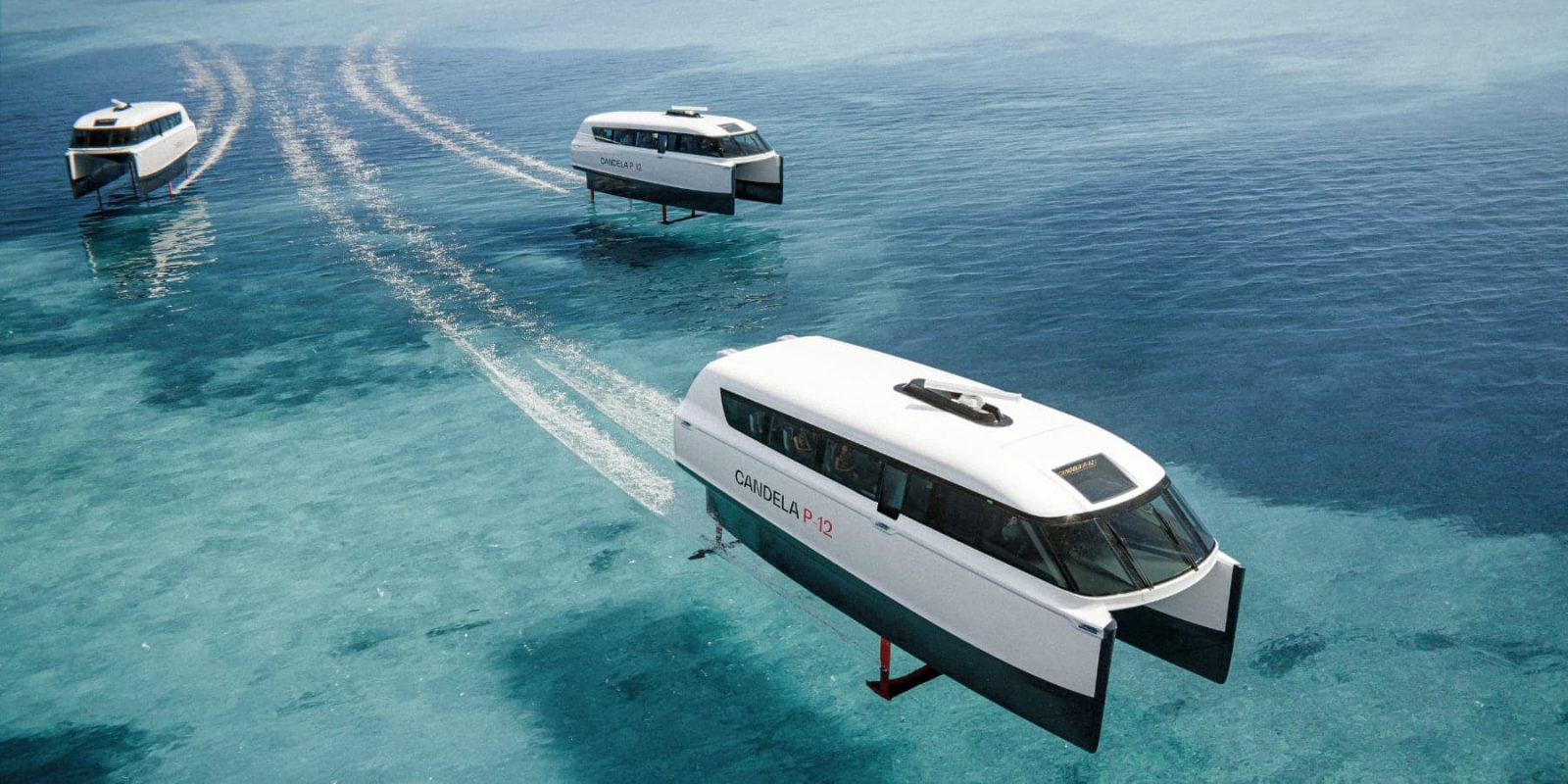
Traditional electric boats have long been hampered by a single, glaring problem: drag. Moving a hull through water requires an immense amount of energy, which previously meant that early electric vessels were either painfully slow or had incredibly short ranges that made them useless for commercial ferry routes. Candela has solved this by essentially lifting the boat out of the water. Using computer-guided underwater wings—known as hydrofoils—the Candela P-12 reduces energy consumption by a staggering 80% compared to traditional high-speed vessels. This is a game-changer for the industry.
This efficiency isn’t just a win for the environment; it’s a massive win for the bottom line of transit operators. By drastically reducing energy requirements, Candela has made electric maritime transit economically viable for the first time in history. The P-12 doesn’t just match the speed of fossil-fuel competitors; it exceeds the comfort levels by completely eliminating the bumpiness of waves. Passengers aren’t just commuting anymore; they are gliding silently above the surface. This unique value proposition is exactly why investors are flocking to the company even as other green tech startups struggle to keep their heads above water in a high-interest-rate environment.
Scaling Global Demand for Emission-Free Commuting
The fresh surge in funding will be directly funneled into scaling production to meet a massive global backlog of orders. From the deep fjords of Norway to the futuristic, congested waterways of Saudi Arabia’s NEOM project, the demand for silent, wake-free, and emission-free transport is skyrocketing. Cities around the world are looking for ways to decarbonize their public transit systems without sacrificing speed or efficiency. Candela’s P-12 offers a plug-and-play solution that integrates seamlessly into existing infrastructure while offering a glimpse into a zero-emission future. The company is literally taking flight as the competition remains anchored in the past.
According to industry analysts, the success of this funding round signals a major shift in investor confidence toward hardware-heavy climate solutions that show clear, immediate paths to commercialization. As Candela prepares to ramp up its manufacturing capabilities in Stockholm, the focus remains on maintaining the precision engineering required for their sophisticated flight control systems. These systems make hundreds of automated adjustments per second to ensure the vessel remains stable, even in choppy waters. For those interested in the technical specifications and the environmental impact of these vessels, you can find more information about innovations in electric transport and how they are changing our world. The ripple effect of Candela’s success will likely be felt across the entire maritime sector, forcing traditional shipbuilders to reconsider their reliance on internal combustion engines before they are left in the wake of progress.
The journey ahead for Candela is ambitious and fraught with the challenges of mass production, but their trajectory is clear. They aren’t just building boats; they are redefining what it means to travel between coastal cities. With the new capital infusion, the company is poised to dominate the electric ferry market, proving that when the technology is truly revolutionary, the money will follow. The era of the flying ferry has officially arrived, and it is leaving a very small carbon footprint behind it.