The Battery Revolution That Changes Everything
The world of transportation is on the cusp of a seismic shift that most people did not see coming. While the mainstream media has been focused on incremental updates to standard lithium-ion cells, a silent giant has been waking up in the engineering laboratory. Semi-solid-state batteries are no longer just a laboratory pipe dream; they are the high-octane fuel of the 21st century. This technology is finally bridging the gap between standard electric vehicles and the futuristic mobility we were promised in science fiction novels decades ago. We are looking at a total paradigm shift in how energy is stored and deployed across the globe.
What makes this specific breakthrough so monumental? It is the energy density and the unique chemistry involved. Traditional batteries have long struggled with the weight-to-power ratio required for heavy-duty lifting or sustained flight. By utilizing a semi-solid electrolyte instead of a purely liquid one, engineers have managed to pack significantly more energy into a smaller, lighter, and safer footprint. This isn’t just an upgrade; it is a total reimagining of how we store energy on the move. The safety profile alone is enough to disrupt the market, as these cells are far less prone to the thermal runaway issues that have plagued earlier generations of battery technology.
From Heavy Trucks to the Open Skies
The implications for the logistics industry are staggering. For years, skeptics argued that electric trucks would never be viable for serious work because the batteries required would be too heavy, leaving no room for cargo. Semi-solid-state batteries have effectively silenced those critics. We are now seeing light trucks equipped with these powerhouses that can achieve ranges previously thought impossible for any commercial EV. These vehicles are now capable of handling long-haul routes without the constant anxiety of finding a charging station every few hours, making them a legitimate threat to diesel-powered fleets.
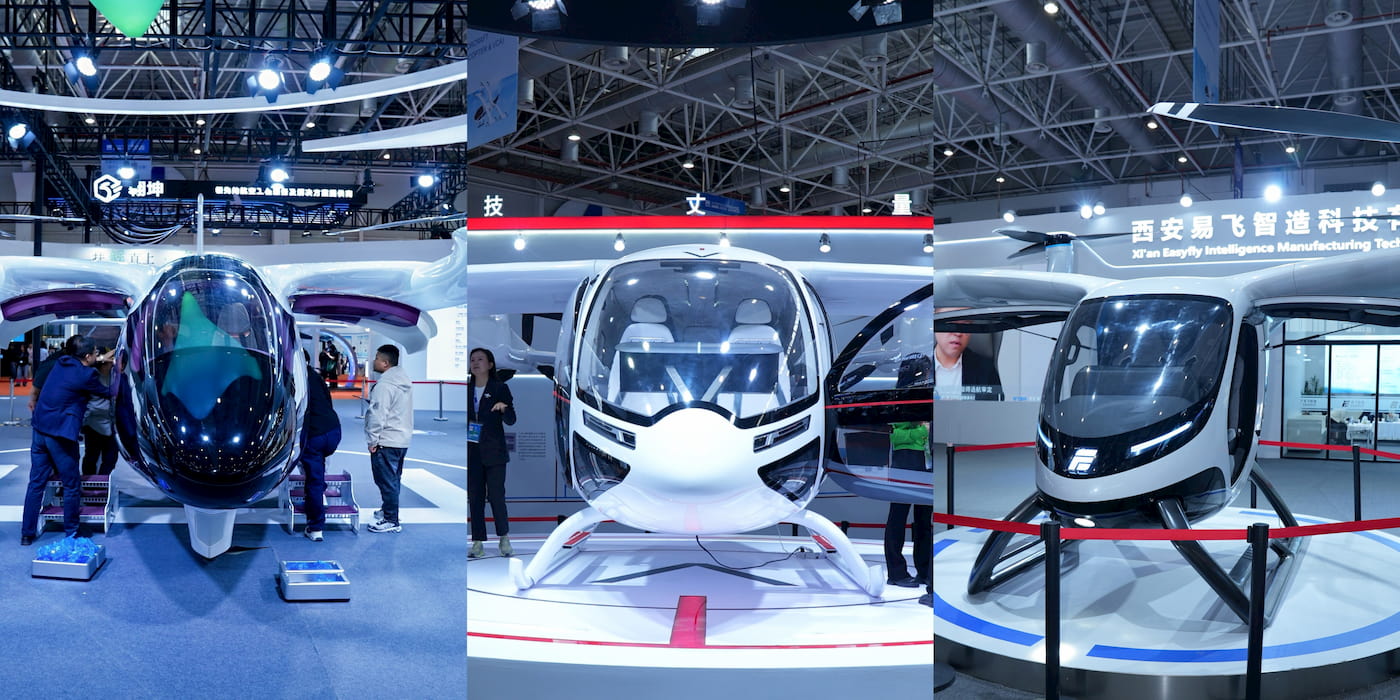
But the real excitement lies in the sky. Flying cars, or eVTOL (electric Vertical Take-Off and Landing) vehicles, have always been limited by the physical constraints of traditional battery tech. To lift a vehicle vertically requires an immense burst of power, and to keep it in the air requires sustained, high-output energy discharge. Semi-solid-state technology provides the perfect balance of discharge rate and capacity. Leading aerospace startups are already integrating these cells into their prototype air taxis, signaling that the era of the personal flying vehicle is much closer than anyone dared to imagine. Imagine commuting over traffic jams in a vehicle powered by the same tech that will soon be in your neighbor’s pickup truck.
Why the Competition Should Be Terrified
Legacy automakers who are slow to adapt to this chemistry are finding themselves in a precarious position. The solid-state battery roadmap has been accelerated by these semi-solid iterations, which serve as a critical bridge. These batteries are exponentially safer than the batteries found in older EV models, and they offer a level of durability that was previously unattainable. They also charge faster, allowing users to get back on the road—or in the air—in a fraction of the time it takes for a standard Tesla or Ford Mach-E to reach full capacity.
- Unprecedented energy density for longer flight times.
- Enhanced safety features to prevent fires and overheating.
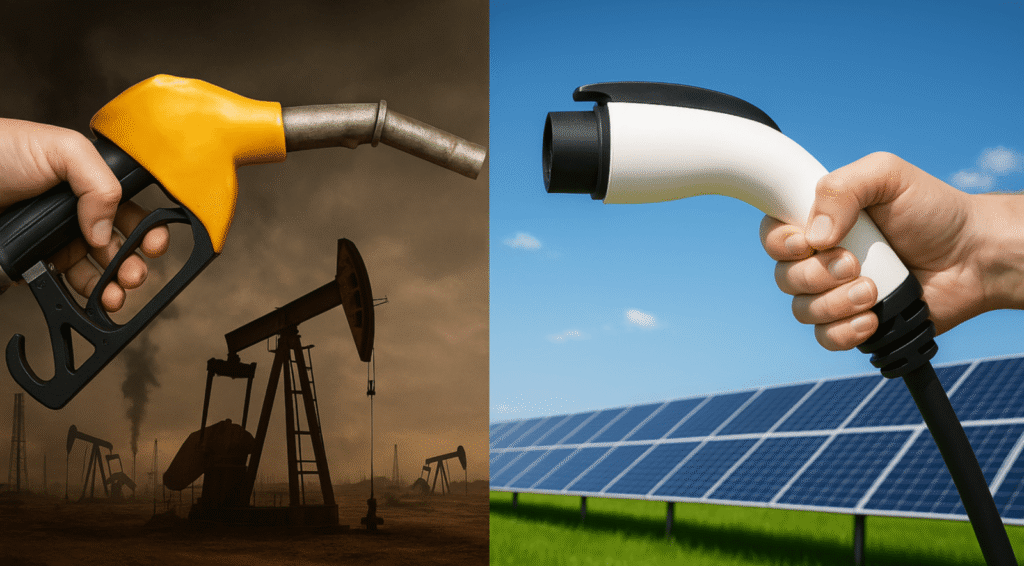
- Faster charging cycles that mimic the convenience of gas stations.
- Lower weight profiles for improved vehicle aerodynamics.
Furthermore, the manufacturing process for semi-solid cells is often more streamlined than pure solid-state alternatives, potentially leading to lower costs once mass production hits its peak. This means that the price parity between internal combustion engines and electric powertrains will happen sooner than any analyst predicted. The disruption is not just technical; it is economic. Companies that fail to pivot toward these advanced chemistries will likely be left in the dust of history. As we look toward the 2030s, the vehicles we drive—and fly—will be defined by the semi-solid revolution.