The Shocking $1 Billion Cover-Up That Killed America’s Cheap Energy Future
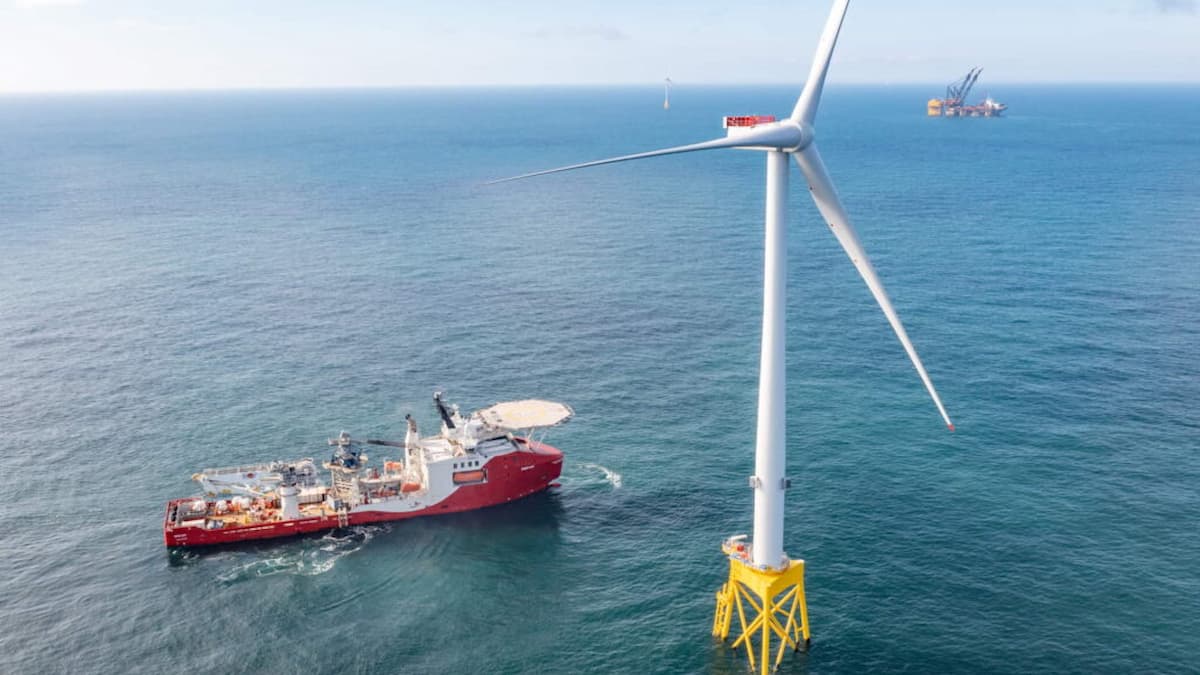
In a jaw-dropping betrayal of the American taxpayer, a massive scandal has erupted from the depths of the Department of the Interior. Newly surfaced congressional documents have exposed a highly calculated, backroom scheme to kill cheap renewable energy in the United States. Reports reveal that the government utilized a staggering $1 billion in taxpayer funds to effectively bribe a foreign oil conglomerate into abandoning a major offshore wind development. What makes this discovery truly sickening is not just the astronomical sum of money wasted, but the blatant corruption behind how the decision was made.
According to internal emails recently obtained by Congress, federal officials had already finalized their backroom deal with the fossil fuel giant long before they had even attempted to formulate a legal justification for it. The Department of the Interior deliberately engineered a narrative to block clean, affordable wind energy, prioritizing corporate fossil fuel interests over the financial well-being of everyday citizens who are struggling with rising utility bills.
Leaked Emails Expose the Corrupt Timeline
The newly leaked communication records paint a devastating picture of bureaucratic weaponization. Usually, regulatory agencies perform rigorous legal reviews before executing billion-dollar decisions. However, in this scandalous instance, the cart was put before the horse in the most corrupt way possible. High-ranking officials agreed to the taxpayer-funded bribe first, and then tasked internal legal teams with fabricating a retrospective justification to make the payout appear legitimate to the public.
This reverse-engineered legal strategy proves that the entire process was a sham. Congressional investigators are now demanding answers as to why a foreign-owned oil entity was handed $1 billion in public funds specifically to halt the transition to affordable, domestic offshore wind. The emails suggest that regulators were terrified of the public finding out about the premature agreement, leading to a frantic scramble to draft legal memos that would hold up under media scrutiny. It was a cover-up from day one, designed to protect elite corporate assets at the expense of American energy independence.
Why Taxpayers Funded a Foreign Oil Giant to Stop Green Progress
This offshore wind project was poised to deliver massive amounts of cheap, renewable energy directly to the American power grid. By injecting affordable wind power into the market, utility rates would have plummeted, offering much-needed relief to millions of households. Instead, that competitive threat to traditional oil and gas was extinguished using the public’s own money. The irony is as thick as it is frustrating: taxpayers literally funded the destruction of their own path to cheaper electricity.
Energy analysts are calling this one of the most egregious cases of regulatory capture in modern history. Rather than fostering competition and working to lower carbon emissions, government institutions acted as paid executioners for a clean energy threat. The foreign oil company walked away with a cool billion dollars for doing absolutely nothing, while American families are left holding the bag of inflated utility bills and artificial energy scarcity. This deep-seated collusion highlights the immense power that fossil fuel lobbyists still hold over government policy, showcasing a systemic failure that reaches the highest levels of the administration.
As Congress continues to dig deeper into the retrieved emails, demands for immediate accountability are growing louder. Citizens are calling for a full independent investigation into the Department of the Interior, with many demanding that those responsible for this illicit deal face criminal charges. How much longer will public money be used to bribe corporate giants to keep us dependent on expensive fuels? The world is watching, and the demand for transparency has never been more urgent.