The automotive landscape is shifting at a breakneck pace, and if you have not checked the sticker prices lately, you are in for a massive shock. For over a decade, the primary argument against making the switch to electric has been the ‘green premium’—that eye-watering extra cost that made EVs feel more like a luxury statement than a practical choice for the working class. But those days are officially over. Recent data suggests we are witnessing a historic transformation in the car market that will leave gas-guzzlers in the rearview mirror forever.
The Great EV Price Collapse: Why Gas Cars Are Losing Their Edge
The latest report from Kelley Blue Book (KBB) has sent shockwaves through the industry. According to their comprehensive market analysis, EV prices in the United States are continuing a downward trajectory that shows no signs of slowing. Most importantly, the pricing gap between internal combustion engine (ICE) vehicles and battery electric vehicles (BEVs) has shrunk to the smallest margin ever recorded. This is not just a minor fluctuation; it is a structural shift that could permanently alter the way Americans buy cars and how manufacturers design their future fleets.
As of early 2026, the average transaction price for a new electric vehicle has dropped significantly, bringing it within striking distance of the average gas-powered SUV or sedan. Analysts point to several converging factors: increased manufacturing efficiency, a stabilization of the global battery supply chain, and a fierce price war initiated by the industry’s biggest players. Consumers who were once priced out of the market are now finding that the total cost of ownership—including fuel savings and drastically reduced maintenance—makes an EV the more fiscally responsible choice from day one. The era of the affordable electric car is not coming; it is already here.
Shocking Data: The Parity Tipping Point is Here
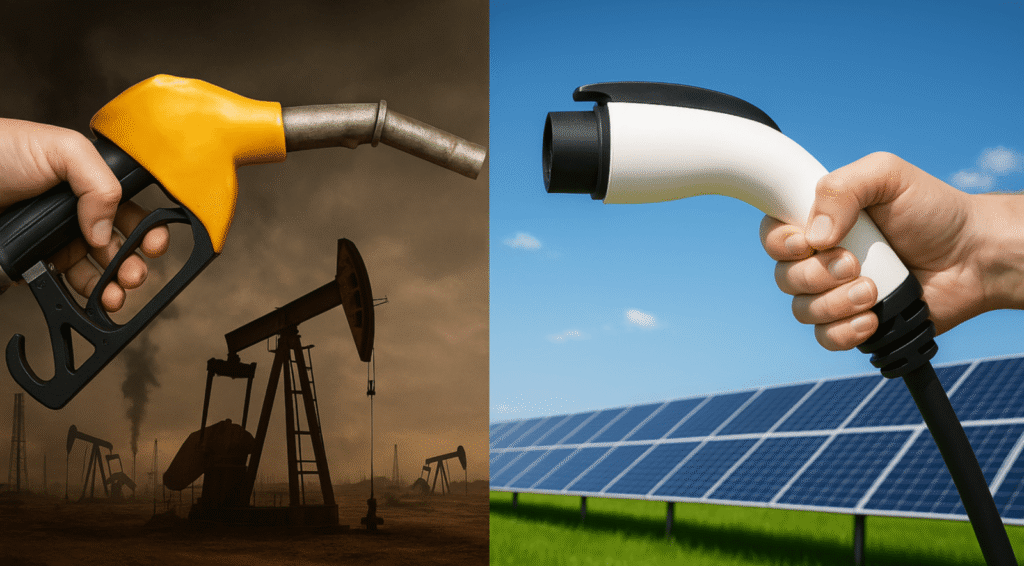
What does this mean for the average driver? It means the ‘entry barrier’ that has protected the oil industry for decades has been demolished. In many market segments, specifically compact cars and mid-sized crossovers, the prices are nearly identical. When you factor in federal tax credits of up to $7,500 and various state-level incentives, many EVs are actually cheaper to drive off the lot than their gas-powered counterparts. This is a nightmare scenario for traditional manufacturers who have been slow to pivot their production lines and are now stuck with inventory that looks increasingly obsolete.
- Massive inventory levels at dealerships are forcing retailers to offer unprecedented discounts.
- Battery production costs have dropped by nearly 20% year-over-year due to scale.
- The second-hand EV market is cratering, making used electric cars accessible for under $20,000.
- Improved nationwide charging infrastructure is removing the final psychological barriers for buyers.
Tesla Leads the Charge in the Pricing War
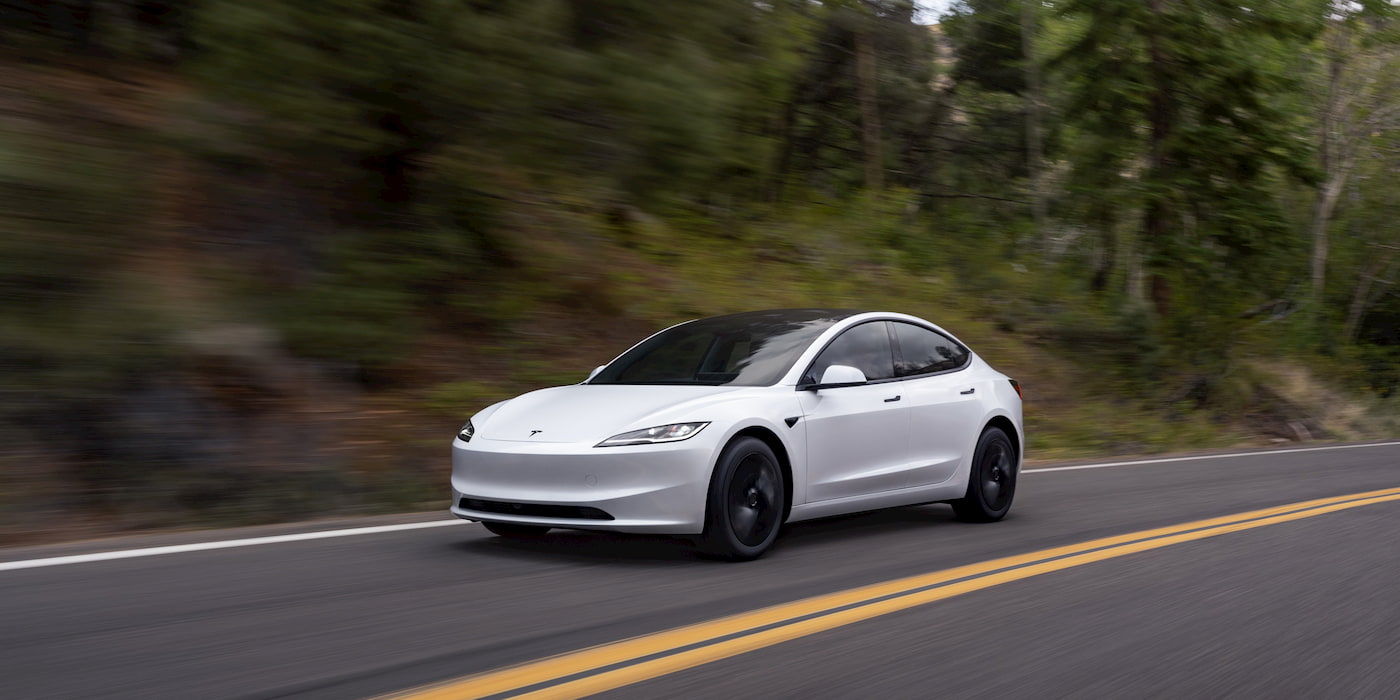
One cannot discuss the current price collapse without mentioning the 800-pound gorilla in the room: Tesla. By aggressively slashing prices on the Model 3 and Model Y over the last eighteen months, Tesla has forced every other manufacturer to follow suit or lose market share entirely. From Ford’s Mustang Mach-E to Chevrolet’s Equinox EV, the competition is desperate to keep up with the pace of deflation. This ‘race to the bottom’ in pricing is a massive win for the consumer but a brutal challenge for the profit margins of legacy automakers who are still struggling with high overhead.
Looking ahead, the momentum seems unstoppable. As more Gigafactories come online and solid-state battery technology begins to peek over the horizon, the cost of manufacturing an electric drivetrain is projected to fall below that of a complex internal combustion engine with its hundreds of moving parts. We are not just approaching price parity; we are approaching a world where gas cars are the expensive, niche products for collectors and enthusiasts. If you have been waiting on the sidelines for prices to normalize, your patience has finally been rewarded. The data from KBB makes it clear: there has never been a better time to ditch the pump and join the electric revolution before the remaining incentives disappear.