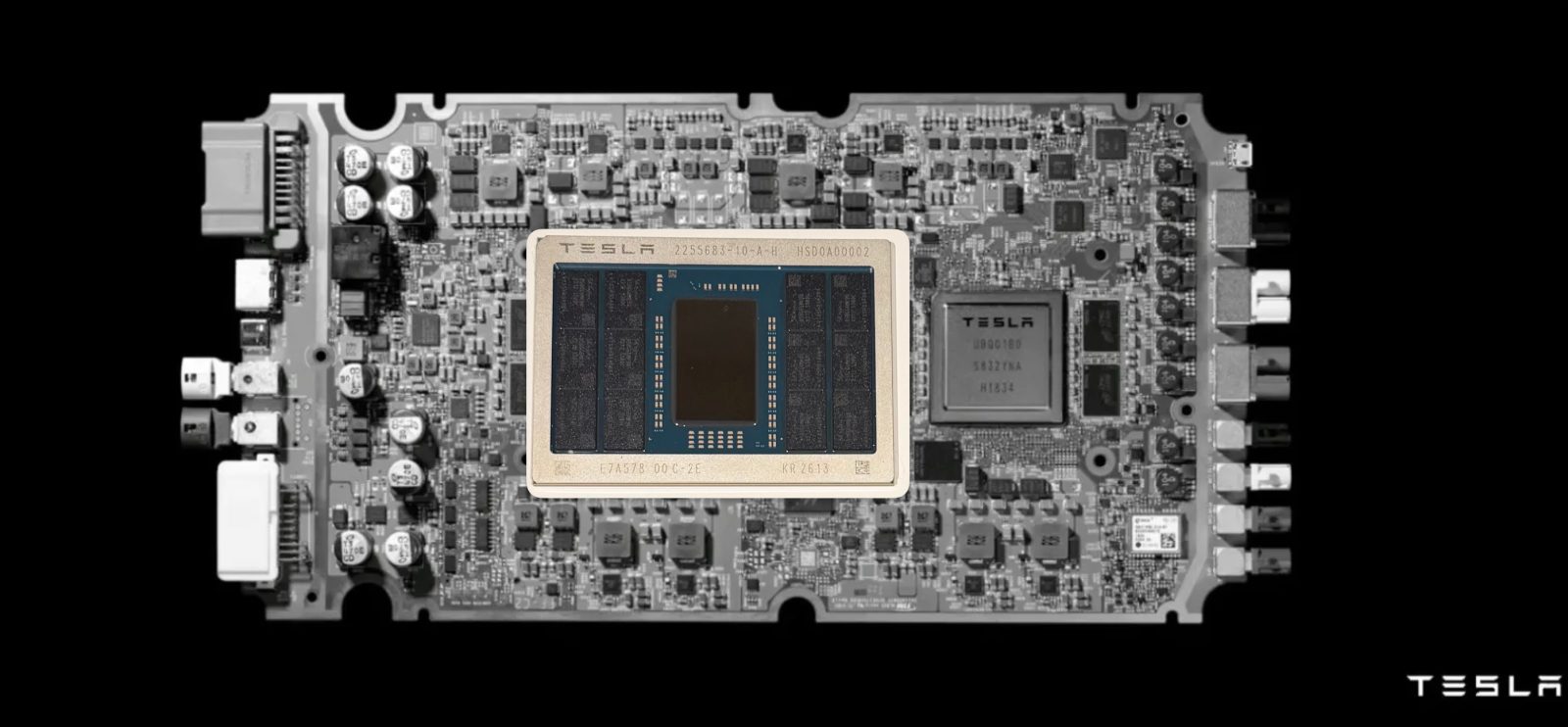
The world of automotive technology was rocked overnight as Elon Musk dropped a bombshell announcement that could redefine the future of transportation. Tesla has officially ‘taped out’ its long-awaited AI5 self-driving chip, a move that signals the final design has been sent to the foundry for physical fabrication. This is not just a hardware update; it is the crowning achievement of years of secretive engineering and a massive gamble on the future of artificial intelligence. While the masses slept, the silicon that will eventually drive your car was being prepared for birth.
This announcement comes at a pivotal moment for the electric vehicle giant. For years, skeptics have doubted whether Tesla could truly bridge the gap between driver assistance and full Level 5 autonomy. With the AI5 chip, Musk is betting the entire farm on the idea that bespoke silicon is the only way to solve the trillion-dollar problem of self-driving cars. This chip represents the brain of the future, a processor so powerful it makes previous generations look like calculators from the 1980s. But as with all things Musk, the celebration is tempered by a sobering reality of delays and missed deadlines.
The AI5 Breakthrough: Is This the End of Human Driving?
The term ‘tape-out’ is more than just industry jargon; it is the finish line of the design phase. It means that the billions of transistors and the complex architecture required to run Tesla’s neural networks have been perfected and frozen. The design is now in the hands of the foundry, likely TSMC, where it will be etched into silicon using the world’s most advanced manufacturing processes. This chip is designed to handle the massive data throughput of a camera-only vision system, processing high-resolution images in real-time to make life-or-death decisions in milliseconds.
Musk’s vision for AI5 is centered on efficiency and raw computational horsepower. By designing their own hardware, Tesla avoids the overhead and compromises of off-the-shelf components from competitors. This vertical integration allows for a level of optimization that is unheard of in the traditional automotive industry. The AI5 is expected to be several times more capable than the current Hardware 4 (HW4) systems, allowing for more complex AI models that can handle the ‘edge cases’—those rare, unpredictable road events—that still plague modern self-driving systems.
Two Years Late: Why the Delay is a Warning Sign
Despite the current excitement, it is impossible to ignore the shadow of the past. The tape-out of the AI5 chip comes nearly two years after Tesla originally promised the hardware would be inside consumer vehicles. This delay has led to significant frustration among investors and owners who paid thousands of dollars for ‘Full Self-Driving’ capabilities that have yet to fully materialize. In the cutthroat world of technology, two years is a lifetime, and some worry that Tesla’s competitors may have used this time to close the gap. You can find further technical details on advanced AI hardware systems that are currently competing for market dominance.
Furthermore, even with the design sent to the foundry, volume production is still estimated to be more than a year away. This means that the current fleet of Teslas hitting the road today will be outdated by the time AI5 reaches mass market. It raises a critical question for the ‘Tesla-sphere’: will older cars require a hardware retrofit to reach true autonomy, or will they be left behind in the dust of progress? The promise of a software update fixing everything is starting to wear thin as the hardware requirements continue to climb.
The Path to Level 5 Autonomy: AI5 vs. The World
What truly sets the AI5 apart from its predecessors is its integration with Tesla’s broader AI ecosystem, including the Dojo supercomputer. The chip is not an isolated component; it is the edge-computing node for a global network of vehicles learning from one another. As Tesla transitions to ‘end-to-end’ neural networks, where the car learns to drive by watching human behavior rather than following coded rules, the need for localized processing power becomes paramount. AI5 is built specifically for this paradigm shift.
- Massive increase in TOPS (Trillions of Operations Per Second) for vision processing.
- Lower power consumption to preserve vehicle range during high-load AI tasks.
- Enhanced thermal management to ensure performance in extreme weather conditions.
- Seamless integration with the latest version of Tesla’s FSD software stack.
The stakes couldn’t be higher. If the AI5 chip delivers on its promises, Elon Musk will have successfully pivoted Tesla from a simple car manufacturer into the most important AI company on the planet. If it fails or faces further delays, the dream of a robotaxi future may remain just that—a dream. For now, the world waits as the foundry begins the delicate process of bringing Tesla’s next-gen brain to life. The silicon revolution has arrived, and it’s headed straight for your driveway.