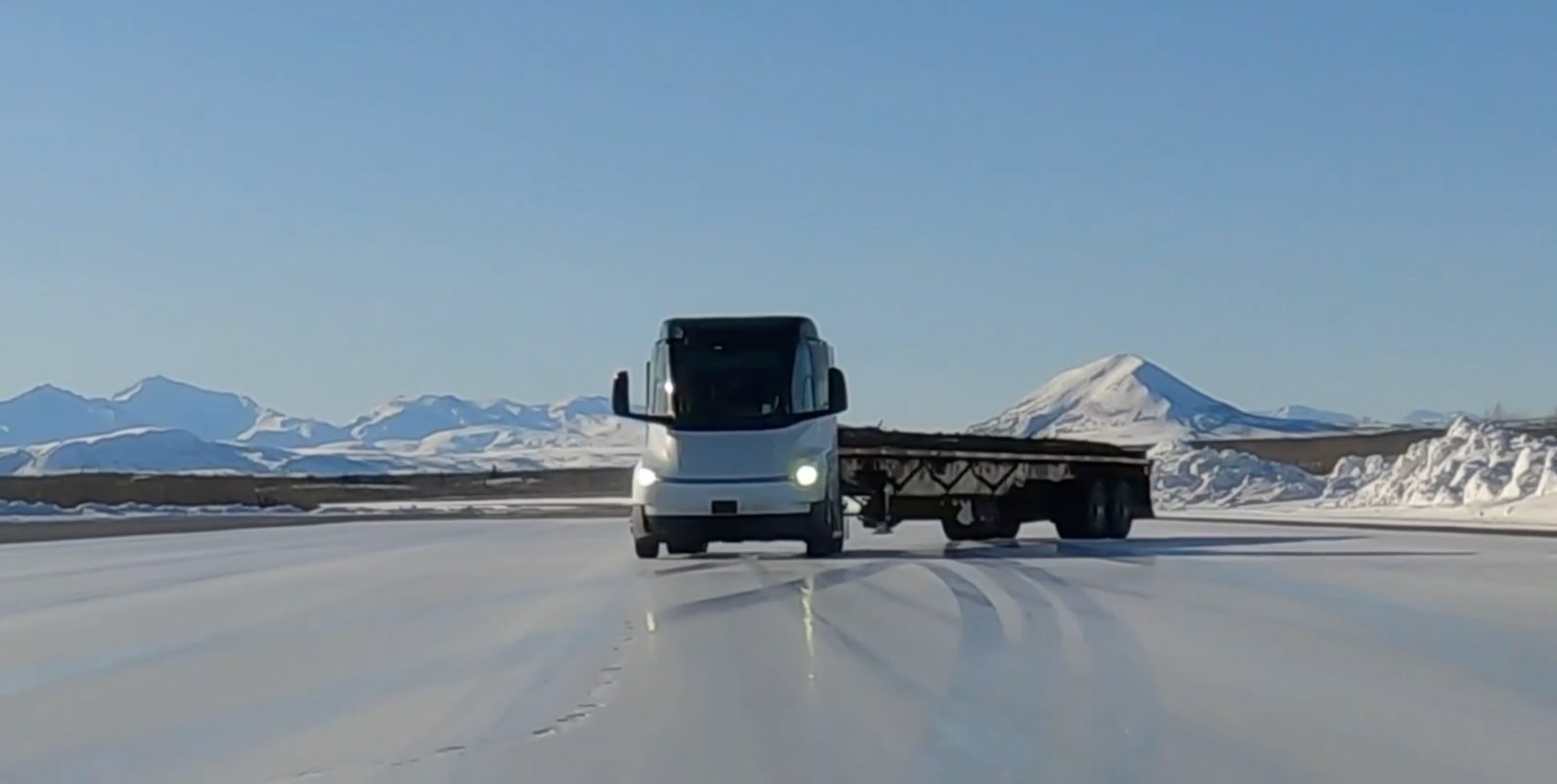
The global shipping sector was sent into an absolute tailspin this week after tech mogul Elon Musk unleashed yet another earth-shattering prediction regarding autonomous transit. In an audacious statement that has sent shockwaves through boardrooms and highway truck stops alike, Musk declared that Tesla expects to have full self-driving capabilities operational on the massive Tesla Semi within an unimaginably tight timeframe. According to the eccentric billionaire, fully autonomous freight hauling could become a reality as early as late this year or early next year.
Imagine giant, multi-ton electric behemoths cruising down American highways without a single human soul behind the wheel. The mere thought is enough to give transport executives goosebumps and strike sheer terror into the hearts of millions of hard-working truck drivers who depend on long-haul routes to feed their families. But is this dramatic automotive revolution truly right around the corner, or is it merely another hyper-inflated promise from Silicon Valley’s ultimate showman?
Inside Elon Musk’s Audacious Autonomous Semi Blueprint
For years, the dream of automated heavy freight has been touted as the holy grail of global logistics. Replacing human drivers with tireless, non-sleeping artificial intelligence offers freight companies the tantalizing prospect of cutting labor costs to zero while running hauling operations 24 hours a day, 7 days a week. With the vehicle already proving its electric prowess on limited commercial runs, integrating Tesla’s controversial Full Self-Driving (FSD) architecture into a massive eighteen-wheeler marks the ultimate high-stakes gamble for the electric vehicle titan.
According to insider reports, Tesla is frantically testing its software stack under extreme operational conditions, striving to ensure these monstrous electric rigs can navigate chaotic traffic, sudden weather shifts, and complex highway interchanges seamlessly. The financial stakes could not be higher. If successful, Tesla could completely monopolize the future of commercial transit, forcing traditional truck manufacturers into immediate irrelevance while revolutionizing how goods move across the continent.
The Infamous Tesla Deadline Trap: Should Truckers Panic?
Before truckers hand over their cab keys and start desperately hunting for new careers, history urges us to take a massive step back and look at the cold, hard facts. Elon Musk is notoriously famous for setting ridiculously optimistic timelines that routinely fail to materialize on time. For nearly a decade, the tech enthusiast has promised that fully unassisted self-driving cars were just a few months away, only for those target dates to repeatedly slide further into the distant horizon.
Bringing fully autonomous capabilities to a standard passenger sedan is already an immensely complex engineering nightmare, plagued by unexpected software glitches, phantom braking, and grueling regulatory scrutiny. Transferring that exact same unproven technology to a sixty-thousand-pound commercial semi truck carries catastrophic potential risks. One single software failure on a slick, icy interstate could spark an apocalyptic multi-car pileup, making federal regulators extremely hesitant to stamp their approval on driverless semi fleets anytime soon.
The Ironclad Guardrail: Why Human Drivers Are Safe for Now
When analyzing Tesla’s dramatic track record on self-driving deadlines, industry experts overwhelmingly agree on one key takeaway: human truck drivers do not need to pack up their cabs just yet. The vast gap between grand public declarations and actual real-world deployment remains wide and treacherous. Navigating severe winter storms, tight loading docks, unexpected highway detours, and complex mechanical pre-checks still overwhelmingly demands human instinct, adaptability, and split-second problem-solving skills that zero algorithms can currently replicate.
While short-term autonomous highway platooning might eventually enter localized testing phases with safety drivers present, true end-to-end driverless heavy shipping faces an uphill battle against massive legal, ethical, and logistical headwinds. Truckers across the world can take a collective deep breath knowing their livelihoods remain protected by the laws of physics, current technology constraints, and stubborn government bureaucracy. For those curious about the official hardware specifications of these massive electric haulers, you can check out the official Tesla Semi portal to see how the vehicle measures up against legacy diesel options.
- Unprecedented timelines promised by Elon Musk for fully autonomous freight transport.
- Mounting regulatory hurdles and safety concerns over heavy automated commercial vehicles.
- Severe skepticism from industry veterans based on historical software delay records.
- Continued reliance on human operators for hazardous winter conditions and complex dock maneuvering.
Ultimately, while the vision of a completely autonomous trucking fleet is a fascinating window into the future of transport, the immediate reality is far more grounded. Human expertise, vigilance, and real-world judgment remain indispensable behind the wheel of heavy machinery, ensuring that professional drivers will dominate the open road for many years to come.