For years, the e-bike industry has been locked in a cycle of incremental upgrades. We see slightly more torque, slightly better frames, and perhaps a better display, but the core limitation has always remained the same: the battery. Lithium-ion technology has served us well for over a decade, but it is reaching its physical limits. Range anxiety continues to haunt long-distance riders, and the weight of massive power packs often compromises the very agility that makes e-bikes attractive. However, the wait for the ‘holy grail’ of energy storage might finally be coming to an end. We are witnessing the dawn of the semi-solid-state battery era, and it is set to flip the industry on its head and change the way we commute forever.
Semi-solid-state batteries represent a massive technological leap that enthusiasts have been dreaming of. While full solid-state batteries are still a few years away from mass commercialization in the heavy automotive sector, their ‘semi’ counterparts are ready for the prime time in the e-bike world. These batteries replace a significant portion of the liquid electrolyte found in traditional cells with a solid or gel-like material. This might sound like a minor chemical tweak to the uninitiated, but the implications for performance, safety, and longevity are nothing short of revolutionary for the average consumer.
Why Semi-Solid-State is the Ultimate Game Changer
The primary reason everyone is talking about this tech is energy density. In the world of electric mobility, weight is the enemy. A traditional e-bike battery might weigh 10 to 15 pounds to provide a 50-mile range. With semi-solid-state technology, we can potentially see the same range from a battery that is 30% lighter or, conversely, a massive increase in range without adding any weight to the frame. For the high-performance rider, this means a bike that feels more flickable and responsive while still having the ‘gas’ to go the distance on long weekend excursions.
Furthermore, these batteries handle thermal management far better than their predecessors. One of the biggest fears in the e-bike community—rightly or wrongly—is the risk of battery fires. Standard lithium-ion cells can suffer from thermal runaway if punctured or overheated. Semi-solid cells are significantly more stable. They are less prone to dendrite growth, which is a leading cause of internal shorts in older battery designs. This means not only a safer ride but also a battery that can withstand more charge cycles before it begins to degrade, providing better value over the lifetime of the vehicle.
Unmatched Safety and Density Standards
Beyond just the chemistry, the manufacturing process for these cells is evolving at a breakneck pace. Companies are now finding ways to integrate these semi-solid materials into existing production lines, which is why we are seeing them hit the market now rather than in 2030. When we look at the specifications of upcoming models, the numbers are staggering. We are moving from a standard 200 Wh/kg energy density toward figures approaching 300 Wh/kg and beyond. This isn’t just a slight improvement; it’s a generational shift that will redefine what we expect from a premium electric bike in the modern age.
Imagine a world where a commuter can go an entire week on a single charge, or a delivery driver can work a full ten-hour shift without needing to swap packs. This is the promise of the new semi-solid-state cells. They offer faster charging capabilities as well, reducing the downtime that currently plagues heavy users of electric micro-mobility. The ability to push more current into a stable cell without the risk of overheating is the key that unlocks the next level of urban transportation efficiency.
The Market Shift: Who is Leading the Charge?
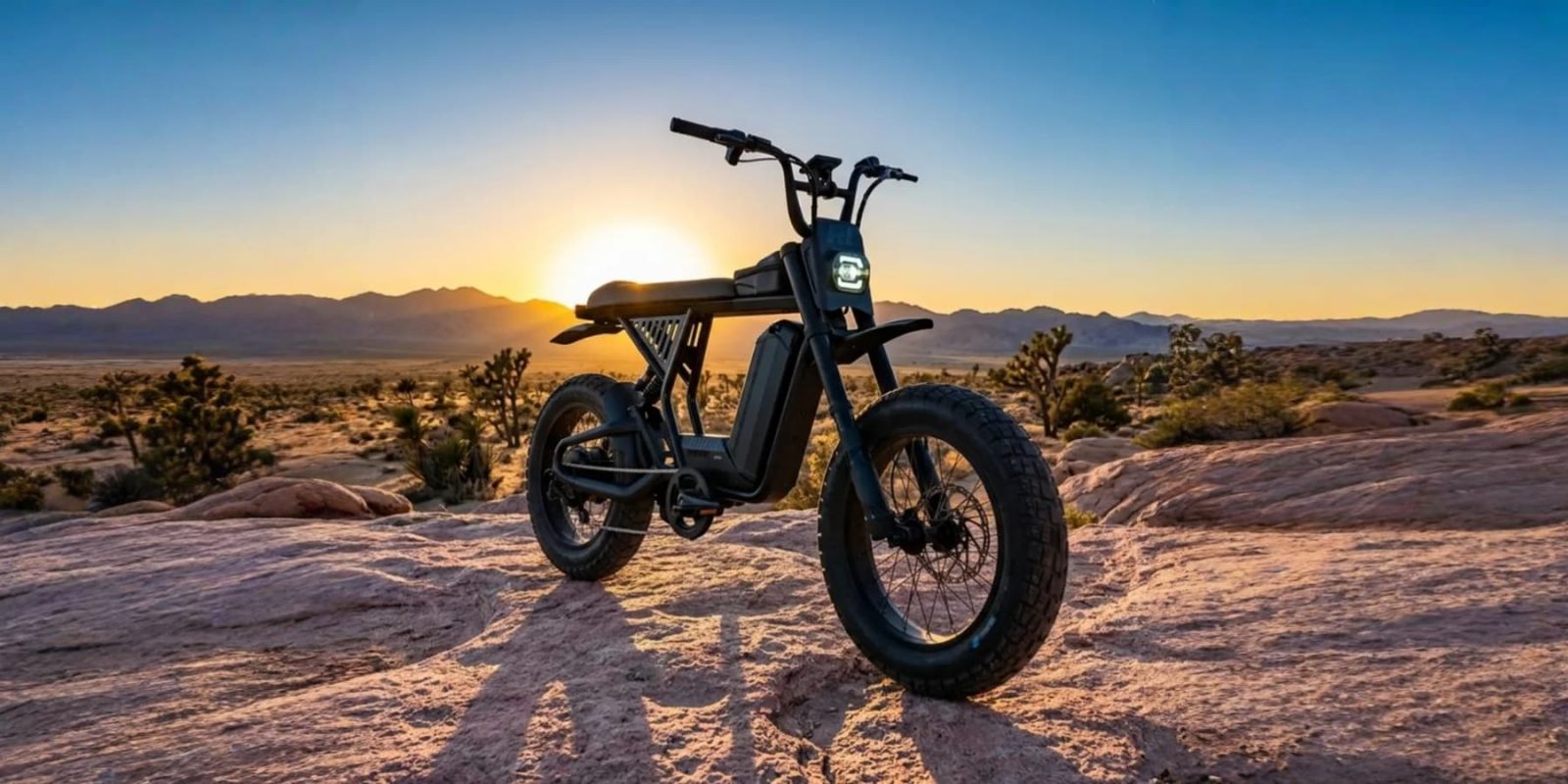
While many legacy brands are still playing it safe with traditional suppliers, disruptors are already making moves. The recent buzz surrounding high-performance models like the Ride1Up Revv1 Evo suggests that the transition is happening faster than anyone anticipated. These brands are positioning themselves as tech leaders, appealing to the early adopters who demand the absolute best in specs. By being the first to market with semi-solid-state technology, they are setting a benchmark that other manufacturers will be forced to follow or risk irrelevance.
As reported by industry experts at Electrek, the move toward these advanced chemistries is ‘for real this time.’ The supply chains are tightening, and the pilot programs have been successful. As we look toward the second half of the decade, the presence of liquid-electrolyte batteries in high-end bikes may soon become a relic of the past. For the consumer, this means more power, less weight, and a significantly safer experience on the road. The battery revolution hasn’t just started; it’s already here, and it’s built into the very frame of the bike you will be riding tomorrow.