The Shocking Truth Behind Musk’s Memphis Supercomputer
In a move that has sent shockwaves through the environmental justice community, the US Department of Justice has officially intervened to protect tech billionaire Elon Musk. The federal government has asked a court to completely dismiss a Clean Air Act lawsuit targeting Musk’s artificial intelligence company, xAI. Critics are calling this a blatant act of corporate favoritism, while federal officials claim it is a matter of absolute survival for the nation’s technological dominance.
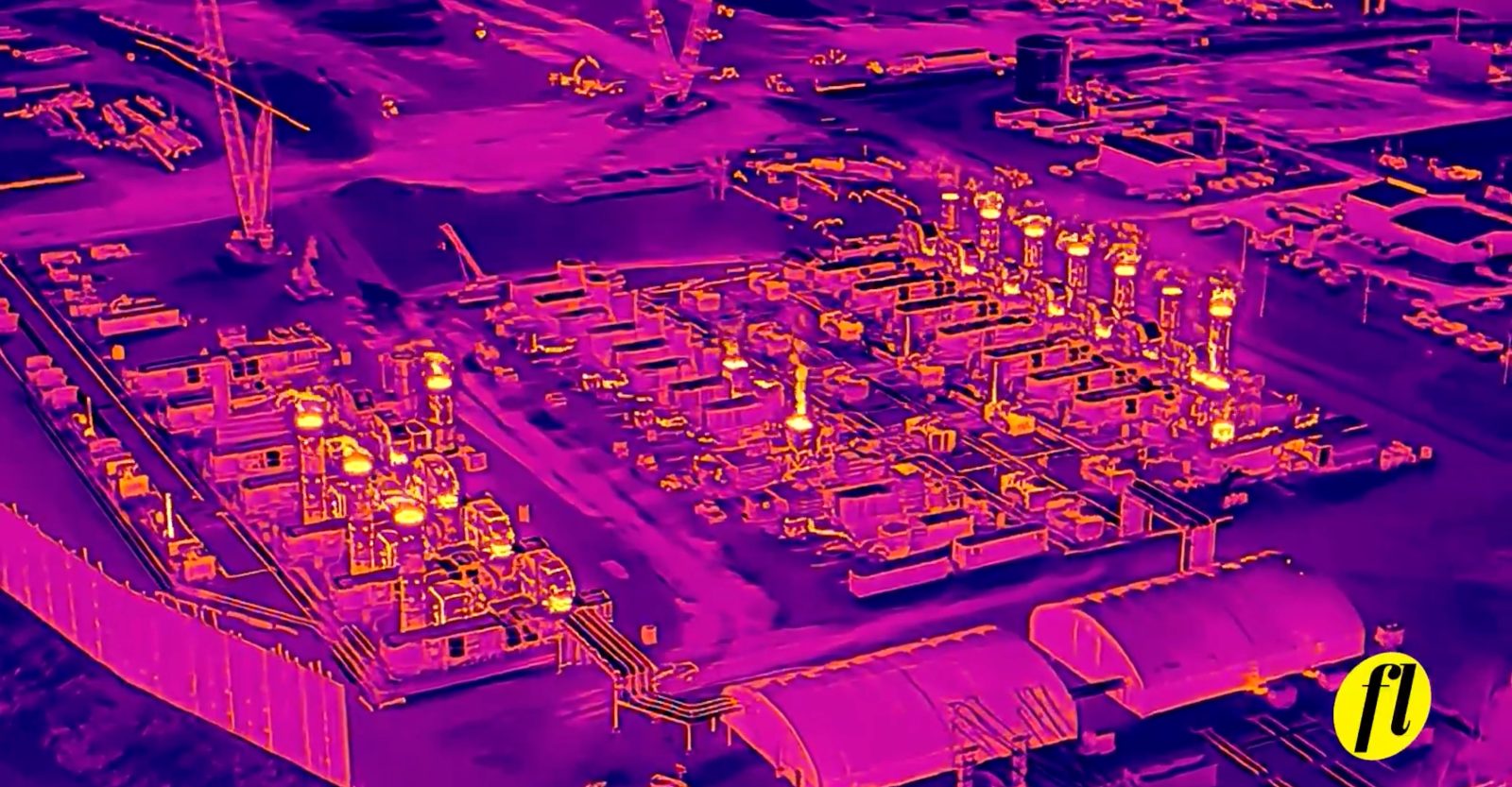
At the heart of the controversy are dozens of massive, methane-burning gas turbines operating in Memphis, Tennessee. These turbines power xAI’s massive ‘Colossus’ supercomputer, which is used to train some of the world’s most advanced artificial intelligence models. However, there is a massive catch: these turbines are allegedly operating entirely without the legally required air quality permits, bypassing critical environmental safeguards in one of the most historically polluted regions in the United States.
Local advocacy groups filed a lawsuit to halt the operations, pointing out the severe health risks posed by the continuous burning of fossil fuels right in the backyard of vulnerable communities. But instead of enforcing environmental law, the Trump administration’s DOJ has stepped in as Musk’s ultimate shield, arguing that the supercomputer’s operations are too important to fail.
National Security or Corporate Favoritism?
The legal defense mounted by the federal government is nothing short of extraordinary. According to court filings, the DOJ argues that halting or restricting the operations of Elon Musk’s xAI would directly threaten ‘national, economic, and energy security.’ By framing artificial intelligence supremacy as a critical defense issue, the administration is effectively carving out an unprecedented loophole for tech billionaires to ignore federal environmental mandates.
This dramatic intervention places the US Department of Justice in the controversial position of defending unpermitted industrial pollution. Observers suggest this sets a dangerous precedent, signaling to tech giants that they can build massive, polluting infrastructure first and ask for permission later—or perhaps never ask at all, so long as they align themselves with national security narratives.
For the citizens of Memphis, this defense feels like a betrayal. The city already suffers from disproportionately high rates of asthma, cancer, and cardiovascular diseases due to decades of industrial neglect. The addition of dozens of unpermitted, highly polluting methane turbines only exacerbates an ongoing public health crisis. Yet, the federal government insists that the global race for AI dominance outweighs the basic right of local citizens to breathe clean air.
The Devastating Environmental Toll on Memphis
The scale of the pollution generated by the Colossus facility is staggering. Environmental experts warn that operating dozens of large-scale gas turbines without modern emission controls releases massive quantities of nitrogen oxides (NOx), volatile organic compounds (VOCs), and greenhouse gases. These pollutants are notorious for creating smog and triggering severe respiratory illnesses.
To understand the depth of the outrage, one must look at what the local communities are facing on a daily basis:
- Unpermitted Emissions: Dozens of heavy-duty industrial turbines running continuously without standard Clean Air Act reviews.
- Astounding Noise Pollution: The constant, low-frequency hum of gas-powered generators disrupting local neighborhoods day and night.
- Severe Health Disparities: Increased toxic load in historically marginalized neighborhoods that already bear the brunt of industrial waste.
- Climate Impact: Millions of tons of methane, a potent greenhouse gas, leaked and burned to power private AI experiments.
Despite these clear dangers, the push to keep Colossus online at all costs shows no signs of slowing down. As artificial intelligence demands unprecedented amounts of electrical power, tech companies are increasingly turning to quick, dirty energy solutions like gas turbines to bypass sluggish electrical grids. If the DOJ successfully throws out this lawsuit, it could pave the way for a lawless new frontier where tech companies operate entirely outside the bounds of environmental law in the name of progress.
Ultimately, the battle over Musk’s Memphis supercomputer is about more than just a single facility. It represents a fundamental clash between the rapid expansion of Silicon Valley’s power-hungry technologies and the fundamental human rights of local communities. As the federal court prepares to rule on the DOJ’s motion to dismiss, the world watches to see if environmental laws still apply to the ultra-wealthy, or if the drive for AI dominance will render the Clean Air Act obsolete.