The Audacious Experiment: Commuting on Dirt
In the world of cycling enthusiasts, there is a legendary formula for the perfect number of bicycles to own: N+1, where N is the number of bikes you currently possess. However, for many of us, reality—and domestic harmony—often dictates a more conservative approach. We are frequently forced to make do with what we have in the garage. This reality sparked a dangerous and arguably foolish question: can a city-focused electric bicycle handle the rigors of extreme off-roading? I decided to take my everyday beater city e-bike out of its paved comfort zone and into the wild, rocky terrain of a mountain trail to find out if specialized gear is truly a necessity or just clever marketing.
Why I Risked a Perfectly Good City Bike
The bike in question was never designed for this environment. It lacks the massive, knobby tires of a fat-tire e-bike and the plush travel of a dedicated electric mountain bike (eMTB). With a rigid fork and high-pressure tires meant for smooth asphalt, the prospects of surviving a trail filled with loose gravel, tree roots, and steep descents seemed slim at best. Yet, there is a certain thrill in testing the absolute limits of engineering and personal endurance. Most e-bike owners use their machines for grocery runs or daily commutes, but the spirit of adventure often calls for more than just a bike lane. I wanted to prove to myself, and perhaps to the skeptics, that the versatility of modern e-bikes might be greater than the manufacturers suggest. You can learn more about safe cycling practices before attempting such stunts yourself.
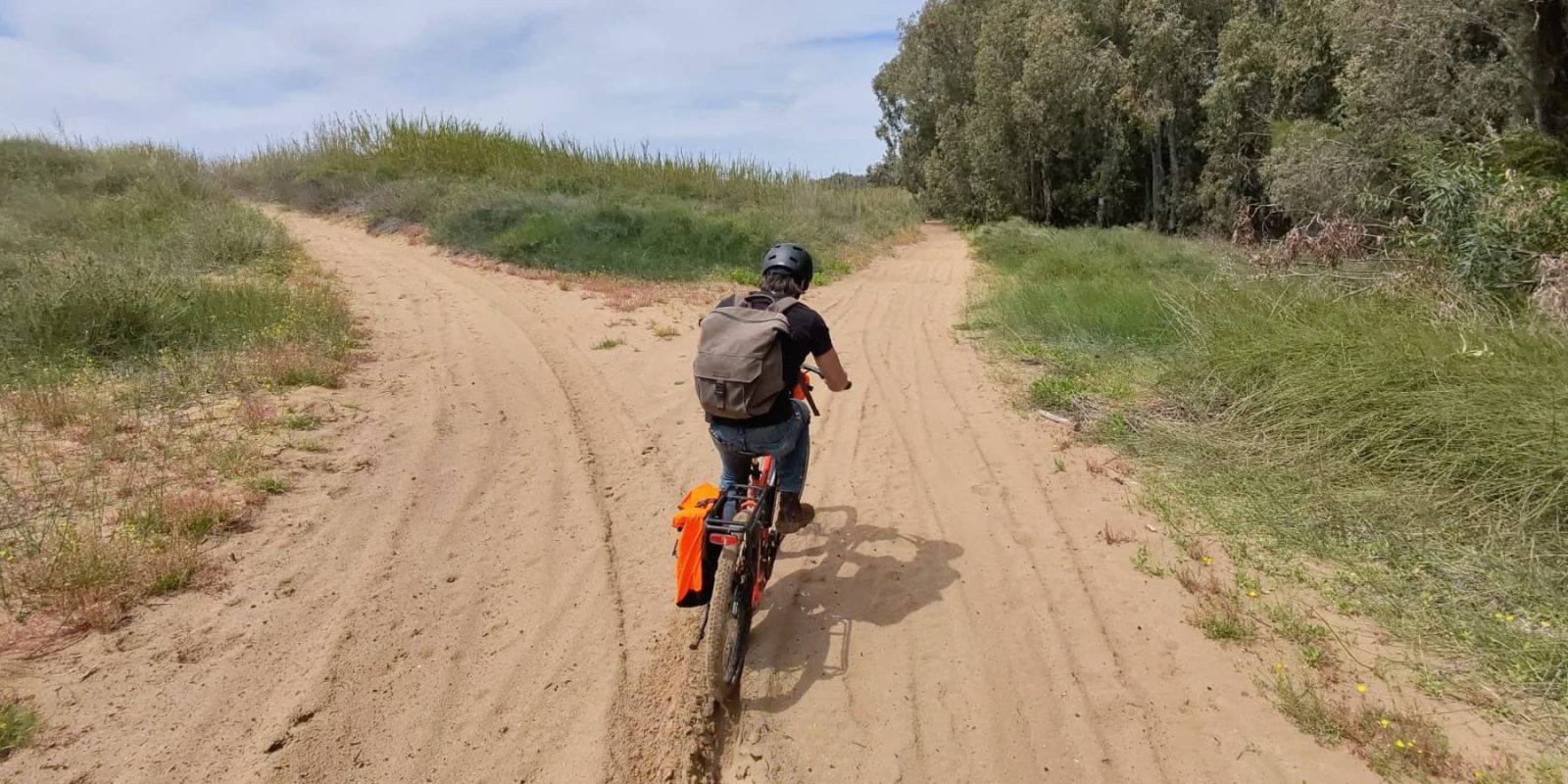
Entering the trailhead, the first thing I noticed was the silence—not the peaceful silence of nature, but the ominous lack of mechanical dampening. On city streets, the small cracks in the pavement are barely noticeable. On a mountain trail, every pebble feels like a boulder. The feedback through the handlebars was immediate and violent. Without front suspension, my wrists became the primary shock absorbers for the entire vehicle. The motor, designed for steady climbs on paved hills, struggled to find traction on the loose silt. It was a constant battle of physics: the high-torque output of the electric motor versus the slick, narrow profile of the city tires which were desperately searching for grip where there was none to be found.
Lessons Learned from the Rocky Descent
As I reached the midpoint of the trail, I realized I was in way over my head. The descent was where the true terror began. City e-bike brakes are generally reliable, but they are rarely designed for the sustained heat generation of a long, steep mountain decline. I felt the bite of the pads begin to fade as I gripped the levers with white-knuckled intensity. The frame, which felt stiff and responsive on the street, began to chatter in a way that suggested it might vibrate into its component parts. I had to choose my lines with the precision of a surgeon; one wrong move into a deep rut could have meant a snapped rim or a nasty spill over the bars. It was a high-stakes game of balance and mechanical preservation that left me breathless and hyper-focused.
Despite the physical toll and the constant fear of a mechanical failure, there was an undeniable sense of triumph. The motor held up, providing just enough assistance to clear steep sections that would have stalled a traditional pedal bike. The electronics, often the weakest link in budget city bikes, remained resilient despite the dust, heat, and heavy vibrations. However, the next day, the physical reality set in. My shoulders, forearms, and lower back were screaming in protest. While the bike survived the ordeal, it was clear that it was operating well outside its intended envelope. The takeaway is clear: while your city e-bike *can* technically go off-road, it doesn’t mean it *should* do so on a regular basis.
You are trading comfort and safety for a momentary thrill, and the wear and tear on a commuter bike can be substantial when exposed to such hostile environments. Ultimately, this experiment confirmed that while the N+1 rule is the ideal, the limits of our current gear are often set by our own bravery—or perhaps our lack of common sense. If you plan on making off-roading a habit, invest in a bike with wide tires and proper suspension. But if you find yourself on a dirt path with your city commuter, know that it might just surprise you, provided you are willing to pay the price in muscle soreness the following morning and a rigorous maintenance check immediately after.