The Death of Lithium? China Unleashes Game-Changing Sodium Battery Trucks
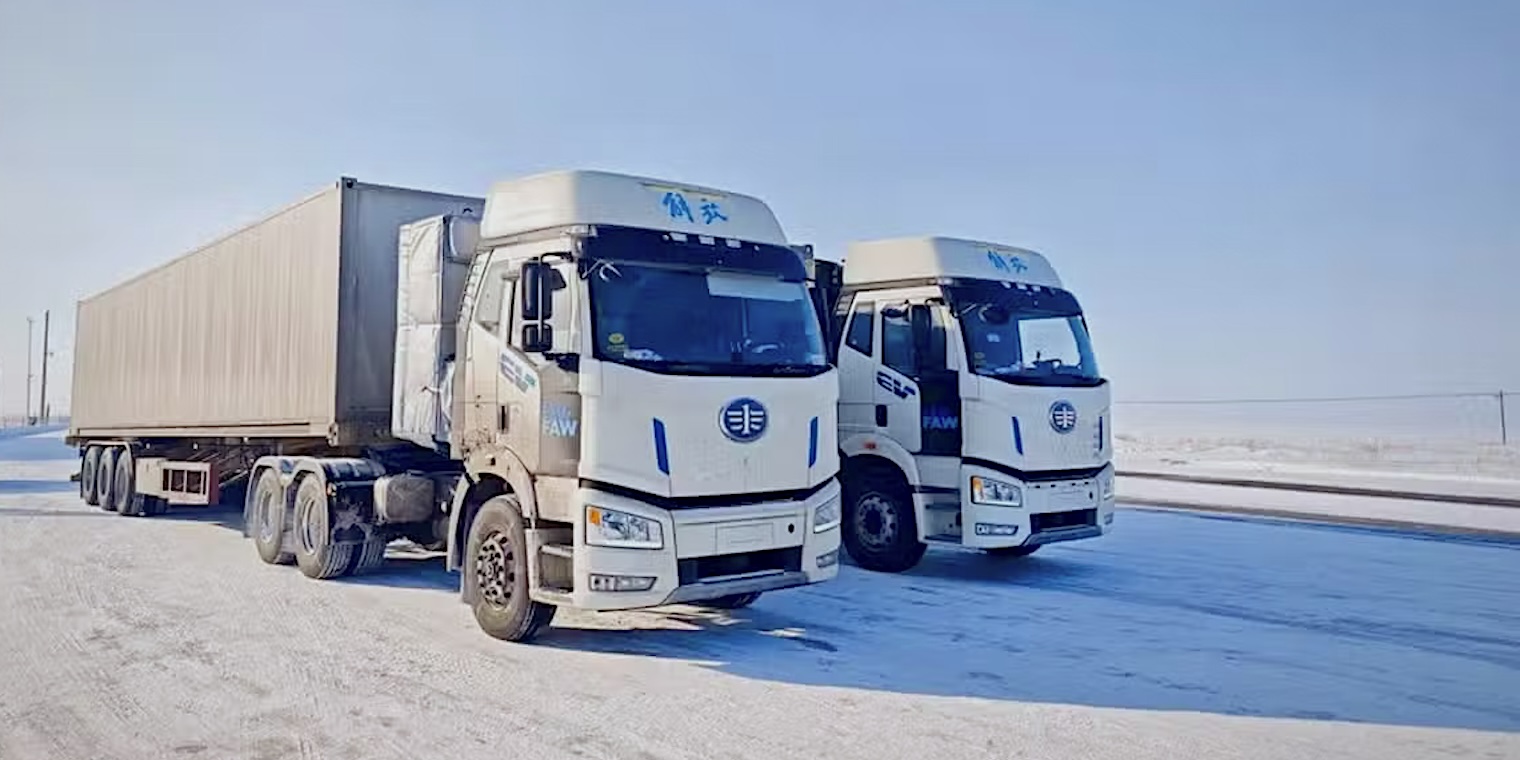
The global electric vehicle landscape is on the verge of a violent disruption, and the instigator isn’t who you think. For years, lithium-ion technology has reigned supreme, locking automakers and logistics giants into a volatile supply chain dominated by skyrocketing mining costs and intense geopolitical tension. But a shocking new development from the heart of China’s industrial empire is about to change everything. FAW Jiefang, one of China’s most formidable heavy-duty truck manufacturers, has officially greenlit a massive initiative to test sodium-ion batteries in commercial trucks. This move could completely obliterate the lithium monopoly and usher in an era of dirt-cheap, ultra-abundant electric transportation.
For decades, experts warned that heavy-duty commercial transport could never survive on alternative battery chemistries due to weight and range limitations. Yet, FAW Jiefang is daring to prove the skeptics wrong. By shifting the focus from rare, expensive lithium to common, earth-abundant sodium, this Chinese truck brand is threatening to rewrite the rules of global trade and logistics forever.
Why Sodium Batteries are the Ultimate Threat to Tesla and Lithium Giants
The hype surrounding sodium-ion technology is not just noise; it is a mathematical nightmare for traditional lithium mining conglomerates. Sodium is virtually everywhere—literally found in common table salt—making it thousands of times more abundant and significantly cheaper to harvest than lithium. While Tesla and other Western automakers have poured billions into refining lithium-ion gigafactories, Chinese innovators have quietly perfected the chemistry of the sodium battery electric trucks grid.
According to industry insiders, the primary barrier to sodium battery adoption has always been energy density. Sodium batteries simply do not pack the same punch per kilogram as their lithium counterparts. However, in the commercial trucking sector, where vehicles operate on predictable routes with access to heavy-duty charging corridors, peak energy density becomes less critical than raw economic viability. If a fleet operator can purchase five sodium-powered trucks for the price of two lithium ones, the financial math becomes impossible to ignore. You can read more about revolutionary EV tech on Electrek, where the future of transportation is tracked daily.
FAW Jiefang’s Secret Weapon: Disrupting Global Logistics
FAW Jiefang is not just running a minor lab experiment; they are preparing for a commercial revolution. The company is actively integrating these advanced sodium cells into their heavy-duty platforms to analyze real-world performance metrics under extreme stress. If successful, this trial will solve the two biggest headaches for fleet operators worldwide: initial acquisition cost and thermal stability.
Sodium batteries possess unique chemical properties that make them vastly superior in harsh environments. Unlike lithium batteries, which suffer severe performance degradation in freezing winter temperatures, sodium-ion cells maintain high efficiency even when the thermometer plummets. This makes them ideal for northern logistics routes that traverse frozen mountain passes.
Let us look at the undeniable advantages that sodium-ion chemistry brings to the heavy transport industry:
- Unmatched Cost Efficiency: Raw material costs for sodium are up to 80% lower than lithium, directly translating to cheaper fleet integration.
- Superior Cold Weather Performance: Sodium batteries retain up to 90% of their capacity in sub-zero temperatures, whereas lithium batteries dramatically fail.
- Unparalleled Safety Standards: Sodium cells are far less prone to thermal runaway, virtually eliminating the catastrophic fire hazards associated with traditional EVs.
- Ethical and Sustainable Sourcing: By eliminating cobalt and lithium, manufacturers bypass the severe human rights and environmental concerns plaguing modern mines.
The implications of this shift cannot be overstated. As FAW Jiefang continues to push the boundaries of sodium battery electric trucks, Western competitors may find themselves locked out of a rapidly evolving market. If China successfully scales this technology, they will not only dominate the passenger vehicle market but will also control the very veins of global commercial trade. The lithium throne is officially cracking, and salt might just be the cheap element that brings it all tumbling down.