The Lithium Monopoly is Crumbling Under Sodium Pressure
The global automotive landscape is currently standing on the precipice of a monumental shift. For decades, the narrative has been dominated by lithium-ion technology, a powerful but volatile and expensive king of the energy storage world. However, a new challenger has emerged from the labs of Contemporary Amperex Technology Co. Limited (CATL), and it promises to change the world of transportation forever. The introduction of sodium-ion batteries into passenger electric vehicles (EVs) isn’t just a minor upgrade; it’s a full-blown revolution that could finally make EVs affordable for the masses while severing our reliance on rare earth minerals. This is the moment the industry has been waiting for, signaling a departure from the high-cost, high-tension mining practices that have defined the green energy sector for too long.
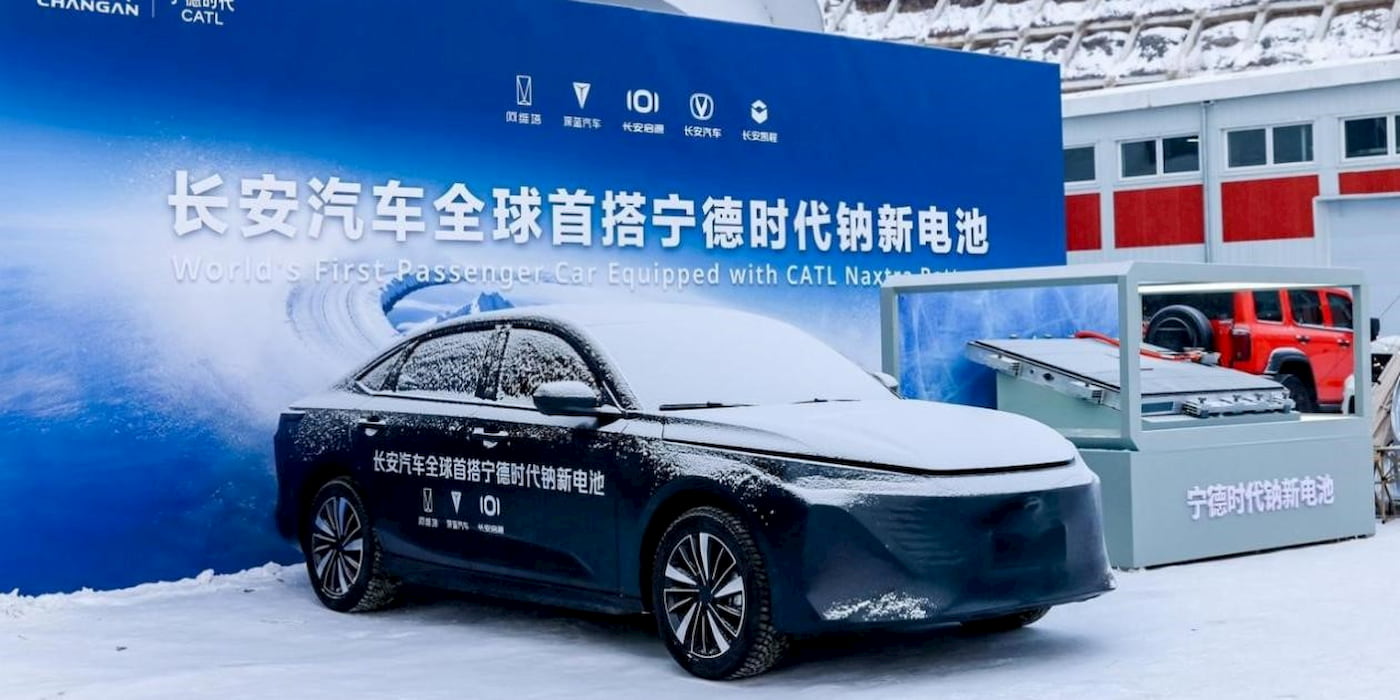
The sudden pivot toward sodium-ion technology stems from a desperate need for stability in the EV supply chain. Lithium prices have historically behaved like a roller coaster, driven by geopolitical tensions and the sheer difficulty of extraction. By contrast, sodium—the primary component of common table salt—is available in abundance across the globe. This accessibility ensures that battery production will no longer be held hostage by a handful of mining hubs. CATL’s announcement signals that the salt battery is no longer a laboratory curiosity. It is a viable, high-performance alternative that is ready for the rigors of the open road. These batteries are designed to handle extreme temperatures far better than their lithium counterparts. Anyone living in a cold climate knows the range anxiety that comes with a winter freeze; sodium-ion cells maintain significantly higher discharge capacity in sub-zero temperatures, making them the ultimate choice for drivers in Northern Europe, Canada, and the American Midwest.
Why Sodium-Ion Changes Everything for Your Wallet
The most sensational aspect of this rollout is the projected cost reduction. Traditional lithium batteries account for roughly 30% to 40% of an EV’s total price. By transitioning to sodium-ion chemistry, manufacturers can slash production costs by nearly 30% almost overnight. This means we are looking at a future where high-quality, long-range EVs could finally break the $25,000 price barrier, a feat that has eluded industry giants like Tesla for years. This price parity with internal combustion engines is the holy grail of the automotive world. When electric cars become cheaper to buy than gas cars, the transition will be unstoppable.
Beyond just the purchase price, the longevity and safety of these batteries are staggering. Sodium-ion cells are inherently more stable, reducing the risk of thermal runaway—the industry term for the catastrophic fires that have occasionally plagued lithium-based cars. Furthermore, the ability to fast-charge these units to 80% capacity in under 15 minutes puts them on par with the most advanced technologies currently available on the market today. This combination of safety and speed is essential for mass adoption among skeptical consumers who are tired of waiting at charging stations for hours on end.
The Specs: Can Sodium Really Compete with Premium EVs?
Critics often point to energy density as the Achilles’ heel of sodium technology. While it is true that lithium currently holds more power per kilogram, CATL has bridged the gap with its first-generation sodium-ion battery, which boasts a density of 160Wh/kg. While this might not power a luxury long-range sedan for 500 miles yet, it is perfect for the massive compact car market that dominates global sales. These vehicles are the backbone of urban transit and daily commuting, where extreme range is less critical than reliability and cost. As the industry scales, researchers believe that global energy markets will pivot rapidly to support this new chemistry, leading to massive investment in local salt-based supply chains.
CATL is already working on second-generation sodium-ion cells that aim to exceed 200Wh/kg, effectively matching current-gen lithium iron phosphate (LFP) batteries. This trajectory suggests that by 2026 and 2027, the cheaper battery won’t actually feel like a compromise at all. It will simply be the smarter, more sustainable choice for the average consumer who wants reliability without the premium lithium tax. The arrival of CATL’s sodium-ion batteries in passenger EVs later this year is the first domino to fall. As assembly lines across Asia and Europe begin integrating these salt-based cells, the dream of a truly green, affordable, and sustainable transportation network is finally within our grasp. The lithium era isn’t over yet, but its undisputed reign is officially under threat as salt-powered vehicles take to the streets.
- Massive cost reduction for entry-level EV models
- Improved performance in freezing climates compared to LFP
- Enhanced safety with lower risk of fire and thermal runaway
- Fast charging capabilities reaching 80% in 15 minutes
- Abundant raw materials sourced from common sodium